
Why Crochet Blankets, Sustainably?
More people are looking for ways to craft responsibly. Crochet, as a slow craft, naturally fits this mindset, offering a deliberate process that contrasts with fast fashion.
The textile industry has a significant environmental impact, from water usage in cotton production to microplastics from synthetics. Crocheting sustainably lessens this impact by valuing materials and extending their lifespan.
Handmade items have a unique appeal. A crocheted blanket is more than just warmth; it's a piece of art. Using recycled materials is also economical, especially with rising yarn prices, making it a practical choice.
Sustainable crochet is a considered choice that acknowledges the resources used in creation and seeks to minimize waste, encouraging a slower, more mindful approach to making.
Sourcing Recycled Yarn: Your Options
Finding materials is the first step. 'Yarn chicken,' deconstructing old sweaters, is a popular method. Wool and cotton sweaters work best, though acrylic can be used. Be mindful of fiber content, as blended fibers complicate recycling.
Creating 'plarn' from plastic bags repurposes waste, but be aware of potential microplastic shedding during washing. T-shirt yarn, made by cutting old t-shirts into strips, is also an option and perfect for chunkier blankets.
Fabric scraps can be joined to create unique, colorful yarn. Yarn swaps in your community are great for finding unwanted yarn. Local textile recycling programs are also becoming more common; check with your city or county.
Preparing recycled materials requires effort; deconstructing sweaters and making plarn takes patience. The satisfaction of transforming waste is rewarding. Consider the time involved when choosing materials; pre-made plarn costs money but saves time.
- Old Sweaters: Wool, cotton, or acrylic – deconstruct carefully.
- T-shirt Yarn (Plarn): Repurpose old t-shirts for a chunky yarn.
- Fabric Scraps: Join small pieces to create a unique yarn.
- Plastic Bags: Create plarn, but be mindful of microplastics.
- Yarn Swaps: Find unwanted yarn and share your own.
- Textile Recycling Programs: Check local options for recycling textiles.
Recycled Yarn Options
- Recycled Cotton Yarn - Made from pre-consumer textile waste (fabric scraps from garment production) or post-consumer waste (old clothing). Brands like Loopy Mango offer 100% recycled cotton options.
- Repurposed T-Shirt Yarn (Tarn) - Created by cutting old t-shirts into one continuous strand. This is a very accessible option for using existing materials, though consistency can vary.
- Recycled Wool Yarn - Often sourced from reclaimed sweaters or textile mill waste. Look for brands specializing in sustainable practices, such as Erika Knight who uses British wool and recycled fibres.
- Denim Yarn - Made from recycled denim jeans. This yarn is typically quite sturdy and creates a textured blanket. Companies like Blue Sky Fibers offer denim yarn.
- Plastic Bag Yarn (Plarn) - Created by cutting plastic grocery bags into strips and looping them together. While utilizing waste, consider the microplastic shedding potential and use appropriate washing techniques.
- Yarn Checklist: Blanket Suitability - Consider softness (important for blankets!), washability, strength (to withstand use), and potential for pilling. Note: recycled materials may have different characteristics than virgin fibres.
- Upcycled Sweater Yarn - Unraveling old wool or cashmere sweaters provides a luxurious yarn source for blankets. Requires time and patience, but yields a soft and warm result.
Fiber Content & Environmental Impact
Natural fibers like cotton, wool, and linen are biodegradable. However, conventional cotton production uses significant water and pesticides, and organic cotton is more expensive. Wool, while renewable, can have land use and animal welfare concerns.
Synthetic fibers like acrylic and polyester come from fossil fuels and don't biodegrade easily, contributing to microplastic pollution when washed. While polyester from recycled bottles is a step, it doesn't solve microplastic shedding. Microplastics are a complex issue to consider when choosing materials.
Recycling blended yarns is challenging due to differing fiber properties. Choosing single-fiber yarns is often better for recyclability. It's not as simple as 'natural = good' and 'synthetic = bad'.
The most sustainable option is to use what you already have. Repairing and repurposing existing materials is preferable to buying new ones, even eco-friendly marketed ones. Make informed choices and be mindful of material lifecycles.
Beginner-Friendly Blanket Patterns for Recycled Yarn
A blanket is a great first crochet project for practicing stitches. For recycled yarn, start with simple, forgiving patterns like single crochet, double crochet, and half double crochet, which create a dense fabric that hides yarn inconsistencies.
Granny squares are easy for beginners and can be joined for any size blanket. Look for patterns using basic stitches with clear instructions. Granny squares align with current crochet trends.
Adjust pattern sizing for recycled yarn based on your available amount. Gauge may be less consistent with recycled yarn, so flexibility is key. It's better to make a slightly smaller blanket than to run out of yarn.
A YouTube tutorial on crocheting a blanket step-by-step offers a clear introduction to basic techniques. The goal is to have fun and create something you love.
- Single Crochet: Creates a dense, durable fabric.
- Double Crochet: Works up quickly and is easy to learn.
- Granny Squares: Versatile and perfect for using up scraps.
- Half Double Crochet: A good middle ground between single and double crochet.
Beyond Granny Squares: Intermediate Techniques
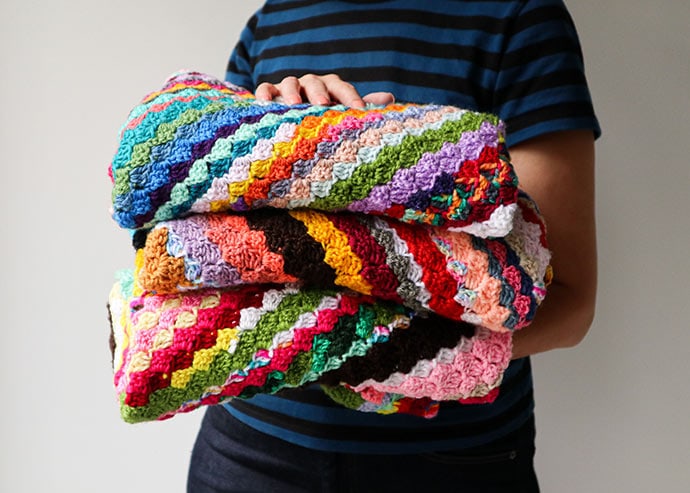
Once you've mastered the basics, you can explore more advanced techniques. Mosaic crochet is a visually stunning technique that creates intricate patterns with simple stitches. Textured stitches, like puff stitches or bobble stitches, can add dimension and interest to your blanket. Color blocking – using different colors of yarn to create geometric designs – is another great way to add visual appeal.
Embrace unique challenges with recycled yarn, such as uneven thickness and color variations. These imperfections add character and make your blanket one-of-a-kind.
Consider projects that play with texture and color. A blanket from various recycled fabrics can be eclectic. Experiment with stitch and color combinations; crochet's versatility allows for personalization.
Don't shy away from complex stitch patterns, but be prepared to adjust. Recycled yarn may not behave like commercial yarn, requiring flexibility and adaptation.
Yarn Weight & Hook Size: Finding the Balance
Yarn weight impacts drape and warmth. Lighter yarns create a delicate drape, while heavier yarns create a warmer, substantial blanket. Choose based on preference and intended use; bulky yarns are good for quick projects, lighter yarns for intricate designs.
Choosing the appropriate hook size is important. Generally, use a larger hook for lighter yarns and a smaller hook for heavier yarns. Recycled yarn can be inconsistent, so experiment and swatch to test yarn and hook combinations.
As a baseline, an easy crochet throw blanket tutorial used Bernat Blanket yarn (bulky weight) with a size Q (15.0 mm) hook. Adjust based on your recycled yarn's specific characteristics.
Adjust hook size
- Lightweight Yarn: Delicate drape, best for warmer climates.
- Medium Weight Yarn: Versatile, good for all-purpose blankets.
- Bulky Weight Yarn: Warm, substantial, works up quickly.
- Super Bulky Yarn: Very warm, very quick, creates a chunky texture.
Recycled Yarn Characteristics & Recommended Hook Sizes
| Yarn Type | Thickness | Texture | Recommended Hook Size Range |
|---|---|---|---|
| T-shirt Yarn | Bulky | Smooth | 8.0mm - 10.0mm |
| Sweater Yarn (deconstructed) | Worsted/Bulky (varies with sweater weight) | Generally Textured, may contain some knobby bits | 6.5mm - 8.0mm |
| Fabric Strips (Cotton) | DK - Worsted (depending on strip width) | Smooth to slightly Textured | 4.0mm - 5.5mm |
| Denim Yarn (recycled jeans) | Bulky | Textured, slightly stiff | 8.0mm - 10.0mm |
| Plastic Bag Yarn ('plarn') | Bulky | Stiff, somewhat Textured | 8.0mm - 10.0mm |
| Recycled Wool/Acrylic Blend (from old sweaters) | Worsted | Soft, can be slightly fuzzy | 5.0mm - 6.5mm |
| Old Bed Sheet Strips (Cotton) | DK | Smooth | 3.5mm - 4.5mm |
Illustrative comparison based on the article research brief. Verify current pricing, limits, and product details in the official docs before relying on it.
Caring for Your Sustainable Blanket
Caring for your crocheted blanket depends on the fiber content of the yarn. Natural fibers like wool and cotton can generally be machine washed on a gentle cycle, but it’s best to avoid hot water and harsh detergents. Synthetic fibers like acrylic are more durable and can withstand higher temperatures, but they may pill over time. Always check the yarn label for specific care instructions.
When washing, consider using a laundry bag to protect the blanket from snagging or stretching. Avoid using fabric softener, as it can coat the fibers and reduce their absorbency. To dry, lay the blanket flat or hang it to dry. Avoid using a dryer, as the heat can damage the fibers.
Blocking – gently shaping the blanket after washing – can help to improve its drape and appearance. Simply lay the blanket flat on a clean surface and pin it into the desired shape. Allow it to dry completely before removing the pins. I’m not sure about the best approach for plarn blankets, given the potential for microplastic release.
If you’ve used plastic bags to create yarn, handwashing is highly recommended to minimize microplastic shedding. Using a laundry bag during washing can also help to contain the microplastics. Gentle handling will prolong the blanket’s life, regardless of the fiber content.
Where to Find Inspiration & Community
The crochet community is a fantastic resource for inspiration and support. Online platforms like Ravelry and Instagram are filled with crocheters sharing their projects and ideas. Search for hashtags like #sustainablecrochet, #recycledyarn, and #crochetblanket to discover a wealth of inspiration.
You Get Hooked offers a wide range of resources, including free patterns, tutorials, and stitch guides. Our website is a great place to start your sustainable crochet journey. We’re constantly updating our content, so be sure to check back often. We also have a growing community of crocheters who are passionate about sustainability.
Don’t be afraid to share your own projects and experiences! Tag us in your photos on social media and let us know what you’re working on. The 2024 crochet trends continue to embrace handmade items, and sustainable practices are becoming increasingly popular. Let’s inspire each other to create beautiful, eco-friendly blankets.
Connecting with other crocheters is a great way to learn new techniques, get feedback on your work, and stay motivated. The crochet community is welcoming and supportive, and we encourage you to get involved!

No comments yet. Be the first to share your thoughts!