

Beyond the Basics: Tunisian’s Rise
The craft world is embracing slower, more mindful practices. People are seeking hobbies that offer a break from constant digital stimulation, and crochet is experiencing a resurgence. Within crochet, Tunisian crochet is gaining traction.
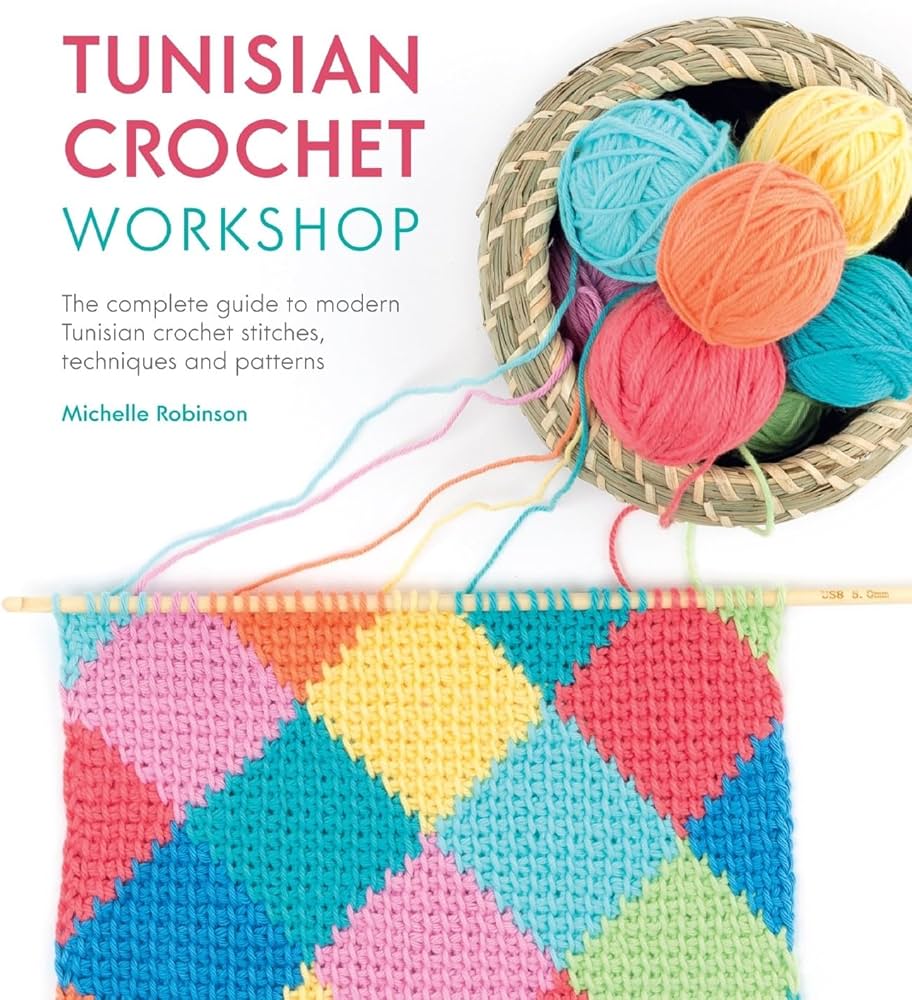
Tunisian crochet is a distinct technique with its own history and feel. Its origins trace back to the 19th century, and it's enjoying a modern renaissance. Interest is strong, fueled by a desire for tactile experiences and a rejection of fast-paced culture.
It's about the process of making. The repetitive motions, focus, and tangible results contribute to calm and accomplishment. Tunisian crochet connects to a movement towards intentional living, prioritizing well-being and soul-nourishing activities. It demands presence, which is appealing.
Standard crochet has been popular for years. Now, increased awareness of the mental health benefits of focused, repetitive tasks is pushing people to explore techniques like Tunisian crochet. This is a shift away from instant gratification towards appreciating the journey, stitch by stitch.
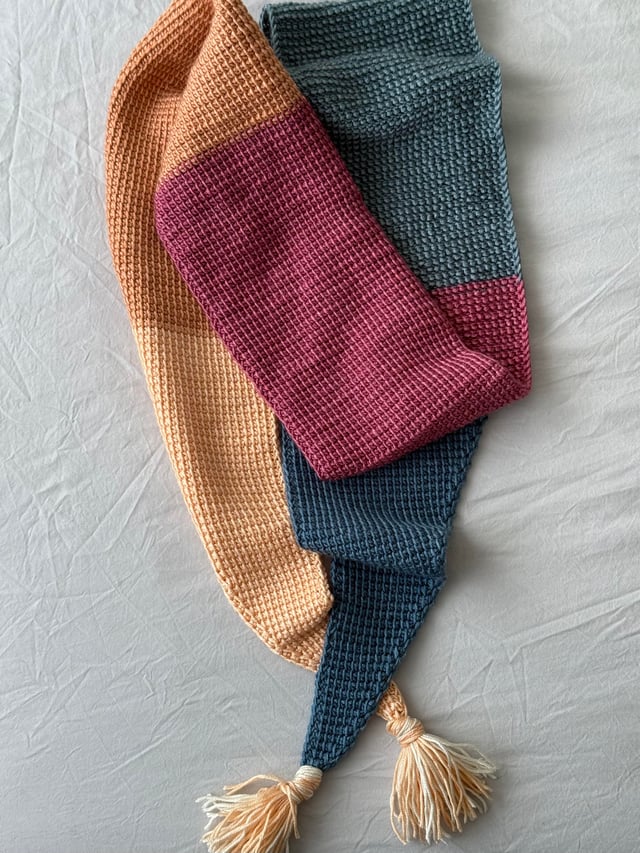
The Rhythm of the Hook: How Tunisian Differs
The main difference between Tunisian and traditional crochet is fabric construction. Traditional crochet works one stitch at a time, building rows incrementally. Tunisian crochet uses a 'forward pass' to pull loops onto the hook, creating a row of active loops. A 'return pass' then works those loops off, completing the row. This two-pass process gives Tunisian crochet its distinctive texture and feel.
The texture is often denser and more fabric-like than traditional crochet. Holding multiple loops on the hook results in fabric with a lovely drape and substantial weight. It's less stretchy than traditional crochet, more akin to woven fabric, which benefits projects needing structure, like bags or garments. The longer hook and how you hold the work create a different physical experience.
Variations exist within Tunisian crochet. The simple stitch is basic, creating a smooth, flat fabric. The knit stitch mimics knitting, while the full stitch creates a more textured, three-dimensional effect. Other techniques include Tunisian cable stitch, Tunisian lace, and Tunisian mosaic, each offering unique visual and tactile qualities. Each stitch requires a slightly different approach to the forward and return passes.
Tunisian crochet is a unique technique. The rhythmic nature of the forward and return pass, the feel of the longer hook, and the resulting fabric contribute to a distinct and satisfying experience. It engages both your hands and your mind.
Neuroscience & Needlework: The Calming Effect
The therapeutic benefits of crafts are recognized by researchers and mental health professionals. Repetitive handwork, like crochet, stimulates dopamine release, a neurotransmitter associated with pleasure and reward. This reduces stress, improves mood, and promotes well-being. It's the same principle behind knitting, coloring, and gardening.
The rhythm of Tunisian crochet – the consistent forward and return pass – can be meditative. This motion quiets the mind, reduces racing thoughts, and induces a state of flow. In flow, you become fully immersed, losing track of time and experiencing effortless concentration. This is where the therapeutic power lies.
Crafts can be beneficial for individuals struggling with anxiety and depression. A 2018 study in the Journal of Positive Psychology found creative activities associated with increased positive emotions and decreased negative emotions. While these studies don't focus specifically on Tunisian crochet, the principles apply.
To be realistic, Tunisian crochet isn’t a cure-all for mental health conditions. However, it is a valuable tool for self-care and stress management. It offers a safe, accessible, and creative outlet for processing emotions and promoting calm. It provides control and accomplishment, which is empowering for individuals who feel overwhelmed or helpless.
Mental Health Professionals Speak: Real-World Applications
Anecdotal evidence supporting the therapeutic benefits of Tunisian crochet is strong, and mental health professionals are incorporating it into their practice. Occupational therapist Sarah Miller, in Portland, Oregon, uses Tunisian crochet with clients recovering from trauma. “The repetitive nature of the stitch is grounding,” she explains. “It allows them to regulate their nervous system and reconnect with their bodies safely.”
Miller notes the tangible outcome – a finished project – is also important. “It provides mastery and accomplishment, which is helpful for individuals who have experienced a loss of control.” She starts clients with simple Tunisian patterns, gradually increasing complexity. Clients often report feeling calmer and more focused during and after crochet sessions.
Art therapist David Chen, working with anxiety patients in New York City, incorporates Tunisian crochet into his sessions. “I’ve found that the focus required for Tunisian crochet is helpful for individuals who struggle with racing thoughts,” Chen says. “It forces them to be present and to concentrate on a single task.” Clients often use the craft to express emotions, choosing colors and patterns that reflect their inner state.
The benefits aren’t limited to specific conditions. Therapists report success using Tunisian crochet with neurodivergent clients, especially those with ADHD or autism. The focused, repetitive nature of the craft is soothing and regulating. One therapist shared an example of a teenage client with autism who used Tunisian crochet to manage sensory overload. The rhythmic motion and tactile experience of the yarn provided calming sensory input.
Mosaic Magic: Complexity & Focus
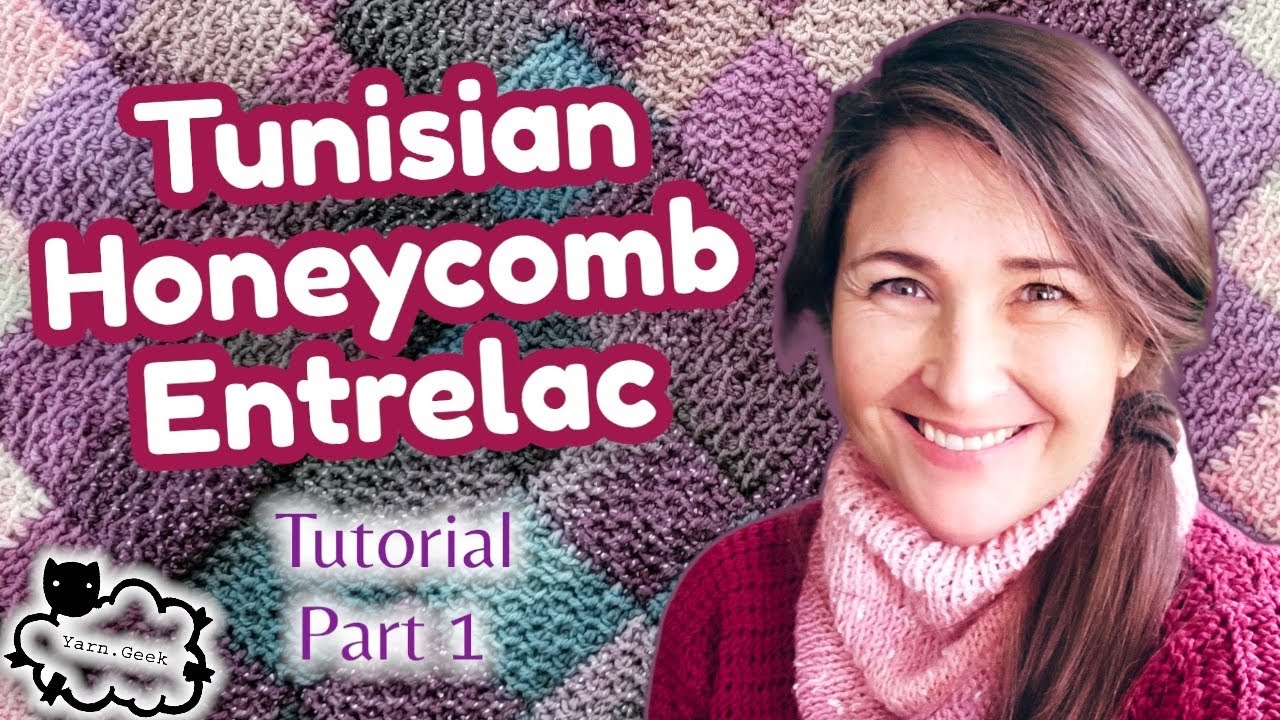
As you progress in Tunisian crochet, you'll discover advanced techniques. Mosaic crochet is a captivating example, demonstrated in tutorials like YarnAndy's on YouTube. This technique uses multiple colors to create intricate, geometric patterns. The process requires meticulous attention to detail and a strong understanding of stitch patterns.
The complexity of mosaic crochet is engaging. It demands sustained concentration, which is beneficial for individuals struggling with attention deficits or racing thoughts. The need to carefully follow the chart and execute each stitch accurately forces you to be present, quieting mental chatter. It's a rewarding challenge.
Completing a mosaic crochet project provides accomplishment. Seeing the intricate pattern emerge stitch by stitch is satisfying. It's a testament to your skill, patience, and dedication. This achievement can
The YarnAndy tutorial is a great starting point for exploring mosaic crochet. It breaks down the technique into manageable steps, making it accessible even for intermediate crocheters. The resulting fabric is stunning, and the process is surprisingly meditative.
Choosing Your Tools: Hooks, Yarn, & Patterns
Getting started with Tunisian crochet doesn’t require a huge investment. The most important tool is, of course, a Tunisian crochet hook. These hooks are longer than traditional crochet hooks and come in a variety of materials and sizes. You can choose between straight hooks, which are good for smaller projects, and afghan hooks, which are better suited for larger blankets. Interchangeable Tunisian crochet hook sets, like those offered by You Get Hooked, offer the most versatility.
Yarn weight and material also matter. For beginners, a smooth, worsted-weight yarn is a good choice. Cotton and acrylic are both easy to work with and readily available. As you become more comfortable, you can experiment with different yarn weights and materials to create different textures and effects. Lighter weight yarns require smaller hooks, while bulkier yarns require larger hooks.
Finding beginner-friendly patterns is essential. Rohn Strong’s “Tunisian Delight Afghan Crochet Along” (available on YouTube) is an excellent starting point. It provides clear instructions and a free pattern for a beautiful afghan. You Get Hooked also offers a range of beginner-friendly Tunisian crochet patterns on their website.
Don’t be afraid to experiment and have fun! Tunisian crochet is a versatile and rewarding craft. With a little practice, you’ll be creating beautiful and therapeutic projects in no time. Start simple, be patient with yourself, and enjoy the process.
Tunisian Crochet Hook Types: A Comparison for Therapeutic Practice
| Hook Type | Ease of Use (for Beginners) | Project Suitability | Portability | Typical Cost |
|---|---|---|---|---|
| Straight Tunisian Hooks | Generally easier to initially learn with, as the hook size doesn't change during a row. Familiar feel for knitters. | Best for smaller, flat projects like washcloths or small sections of larger pieces. Can become cumbersome with increasing stitch counts. | Less portable due to length; can be awkward to transport. | Most affordable option; individual hooks typically range from $3 - $10 each. |
| Afghan Crochet Hooks | Requires more coordination than straight hooks, as the entire row is held on the hook. Can be challenging for those with limited hand strength. | Well-suited for larger projects like blankets and afghans, allowing for a substantial number of stitches to be held at once. | Somewhat portable, but the long hook can still present challenges. | Mid-range cost; individual hooks around $5 - $15. |
| Interchangeable Tunisian Crochet Hooks | Offers versatility but requires understanding of cable and needle changes. May have a steeper learning curve initially. | Highly versatile; can accommodate a wide range of project sizes and stitch counts with different cable lengths. | Most portable option, as cables and needles can be easily separated and stored. | Highest initial investment; sets typically range from $20 - $60+ depending on the number of needles and cables included. |
| Longer Straight Hooks (10”+) | Similar ease of use to standard straight hooks, but the longer length can provide more comfortable grip for some. | Suitable for wider projects where holding a large number of stitches is necessary, but can still become unwieldy. | Less portable due to the increased length. | Slightly more expensive than shorter straight hooks; $6 - $12 each. |
| Short Straight Hooks (6”-8”) | Good for smaller projects and beginners, offering more control. | Best for small, intricate work or projects requiring frequent color changes. | Highly portable and convenient for on-the-go crocheting. | Generally affordable, similar to standard straight hooks; $3 - $8 each. |
Illustrative comparison based on the article research brief. Verify current pricing, limits, and product details in the official docs before relying on it.
Beyond the Blanket: Expanding Tunisian Horizons
While blankets and scarves are popular Tunisian crochet projects, the technique is incredibly versatile. The denser fabric lends itself well to garments, accessories, and home decor items. Consider making a Tunisian crochet vest, a tote bag, or even a pillow cover. The possibilities are endless.
One of the unique aspects of Tunisian crochet is its ability to mimic different textures and patterns. You can create projects that look like woven fabric, knitted fabric, or even lace. This opens up a whole new world of design possibilities. You can even adapt traditional crochet or knit patterns for Tunisian crochet, although some modifications may be necessary.
The structured fabric is particularly well-suited for projects that require a lot of shape and definition, such as hats, bags, and structured garments. The density of the stitch also makes it ideal for creating durable and long-lasting items. Don’t be afraid to experiment with different colors and textures to create truly unique and personalized projects.
Exploring different stitch patterns also allows for greater creative expression. From simple stripes to intricate geometric designs, Tunisian crochet offers a wide range of visual possibilities. It’s a craft that rewards experimentation and encourages you to push your creative boundaries.
Finding Your Community: Support & Inspiration
One of the best ways to learn and grow as a Tunisian crochet enthusiast is to connect with other makers. Online communities, such as those on Ravelry and Facebook, provide a space to share your projects, ask questions, and get feedback. These communities are a wealth of knowledge and inspiration.
Social media platforms like Instagram and Pinterest are also great sources of inspiration. Search for hashtags like #tunisiancrochet, #tunisiancrochetaddict, and #crochet to discover stunning projects and connect with talented makers. You Get Hooked also actively shares Tunisian crochet inspiration on their social media channels.
If you prefer in-person interaction, consider joining a local crochet guild or taking a Tunisian crochet class. These opportunities allow you to learn from experienced crocheters and build relationships with fellow enthusiasts. The support and encouragement of a community can make all the difference.
Ultimately, Tunisian crochet is about more than just making beautiful things. It’s about connecting with a community, expressing your creativity, and finding joy in the process. Embrace the journey, share your creations, and inspire others.
No comments yet. Be the first to share your thoughts!