

Why Sustainable Crochet Matters
Crochet is a relaxing craft, but our materials can impact the planet. The yarn industry has a significant environmental footprint. Conventional yarn production often uses water-intensive cotton, synthetic fibers from fossil fuels, and chemical dyes that pollute waterways, contributing to habitat destruction, pesticide use, and microplastic pollution.
Demand for sustainable options is growing, and the crochet world is responding. Choosing eco-friendly yarns and zero-waste techniques is a necessary step towards a more responsible hobby. As crocheters, we can make a difference with every project; small choices add up.
Beyond environmental concerns, ethical considerations matter. Cheap yarn production can involve unfair labor and poor animal welfare. Supporting fair trade and responsible sourcing ensures people and animals are treated with respect, aligning our values with our craft.
Sustainable crochet doesn't mean sacrificing creativity or quality. It's about finding innovative ways to enjoy our hobby while minimizing our impact. It's a shift in mindset, a commitment to conscious consumption, and a celebration of natural and recycled materials, making things that look and feel good.
Decoding Yarn Fiber Types
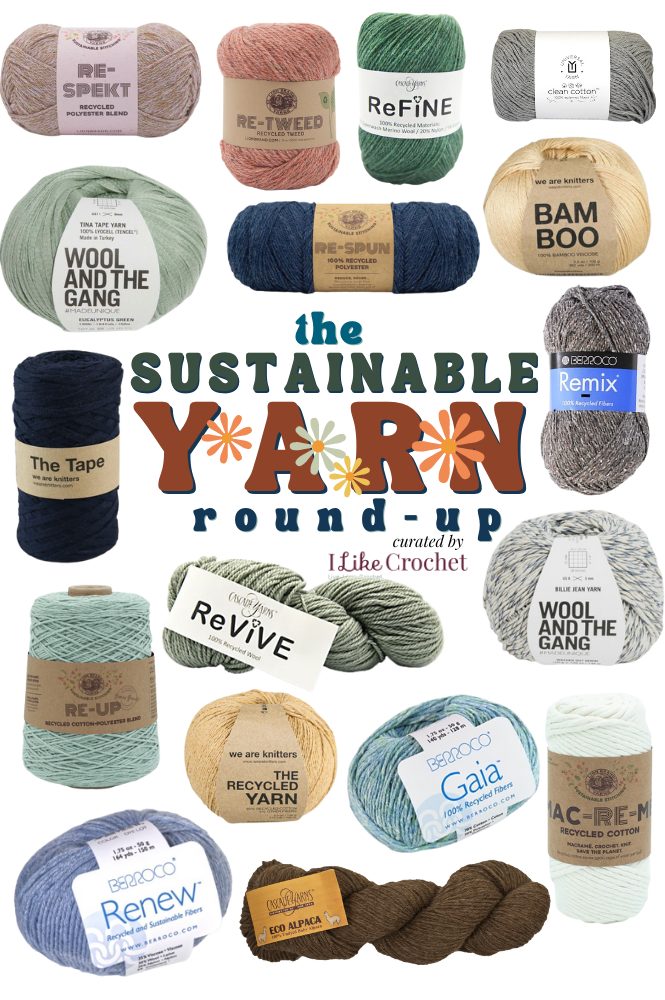
Navigating yarn fibers for sustainable choices can be overwhelming. Here are common options, categorized by environmental impact: Natural fibers (organic cotton, linen, hemp, wool, silk) come from plants or animals. Recycled fibers (recycled cotton, recycled polyester/rPET) give new life to existing materials.
Organic cotton is popular but uses significant water. Linen, from flax, is more sustainable than cotton, requiring less water and fewer pesticides. Hemp is exceptionally sustainable, growing quickly with minimal inputs. Wool is natural and renewable, but responsible sourcing is crucial; look for certifications like the Responsible Wool Standard (RWS) for animal welfare and land management.
Silk has a complicated sustainability profile. 'Peace silk' or 'ahimsa silk' is produced without killing silkworms, making it more ethical. Recycled cotton reduces textile waste, often made from manufacturing scraps or old clothing. Recycled polyester (rPET), from plastic bottles, diverts plastic from landfills but sheds microplastics during washing.
Realistically, no yarn is perfect. Natural fibers have environmental impacts from land use, transportation, and processing. Be informed, consider the fiber's lifecycle, and choose the most sustainable option for your project. A heavier project might suit durable linen, while a baby blanket could use soft organic cotton.
- Organic Cotton: Requires less pesticides, but still uses significant water.
- Linen: Sustainable, low water and pesticide use.
- Hemp: Highly sustainable, fast-growing, minimal inputs.
- Wool (RWS certified): Renewable, but requires responsible sourcing.
- Peace Silk: Ethical silk production, silkworms not harmed.
- Recycled Cotton: Reduces textile waste.
- Recycled Polyester (rPET): Diverts plastic from landfills, sheds microplastics.
Sustainable Yarn Fiber Comparison
| Yarn Fiber | Water Usage | Pesticide Use | Biodegradability | Durability | Common Uses |
|---|---|---|---|---|---|
| Organic Cotton | Medium | Low | High | Medium | Baby items, garments, home decor |
| Linen (Flax) | Low | Low | High | High | Summer garments, dishcloths, home textiles |
| Hemp | Low | Very Low | High | High | Bags, durable accessories, home textiles |
| RWS Wool | Medium | Low | High | High | Sweaters, blankets, outerwear |
| Recycled Cotton | Medium | Low | High | Medium | Home decor, accessories, garments |
| rPET (Recycled Polyester) | Low | N/A | Very Low | Medium | Bags, accessories, durable items |
| Conventional Cotton | High | High | High | Medium | Wide range of projects (less sustainable option) |
Illustrative comparison based on the article research brief. Verify current pricing, limits, and product details in the official docs before relying on it.
Spotting Greenwashing in Yarn
Greenwashing misleads consumers into believing a product is more environmentally friendly than it is. This is common in the yarn industry. Companies may use vague terms like 'eco-friendly' or 'natural' without specific details or certifications. Be wary of broad claims without evidence.
Phrases like “made with natural fibers” don’t guarantee the entire yarn is natural; it could be a blend. "Sustainable packaging" says nothing about the yarn itself. Look for credible third-party certifications that independently verify environmental and social standards.
Look for certifications like the Global Organic Textile Standard (GOTS) for organic fibers, Oeko-Tex Standard 100 for chemical absence, and the Responsible Wool Standard (RWS) for wool. These certifications offer assurance. Research brands' sourcing, manufacturing, and environmental policies on their websites.
Asking questions yields honest answers. Truly sustainable companies are transparent about their processes. Evasiveness or lack of clear information is a red flag. Be a critical consumer; research and make informed choices.
- GOTS: Global Organic Textile Standard (organic fibers)
- Oeko-Tex Standard 100: Absence of harmful chemicals
- RWS: Responsible Wool Standard (animal welfare and land management)
Zero-Waste Crochet Techniques
Beyond choosing sustainable yarn, minimizing waste during crochet is crucial. Embrace scrap-busting projects for leftover yarn bits. Mini amigurumi, granny squares, and scrappy blankets are great options. Color blocking uses different yarn colors and weights cohesively.
When designing projects, minimize yarn changes. Frequent color changes create more ends to weave, using extra yarn and time. Tapestry crochet incorporates multiple colors without constant switching. If you unravel a project, reuse the yarn; this saves money and reduces waste.
Repurposing old crochet projects is another option. Unravel projects you no longer love or use to reuse the yarn, especially if it's beautiful or expensive. Minimize packaging by choosing yarn with minimal or recycled/compostable materials.
undefined make a big difference in the long run.
Sustainable Crochet Tools
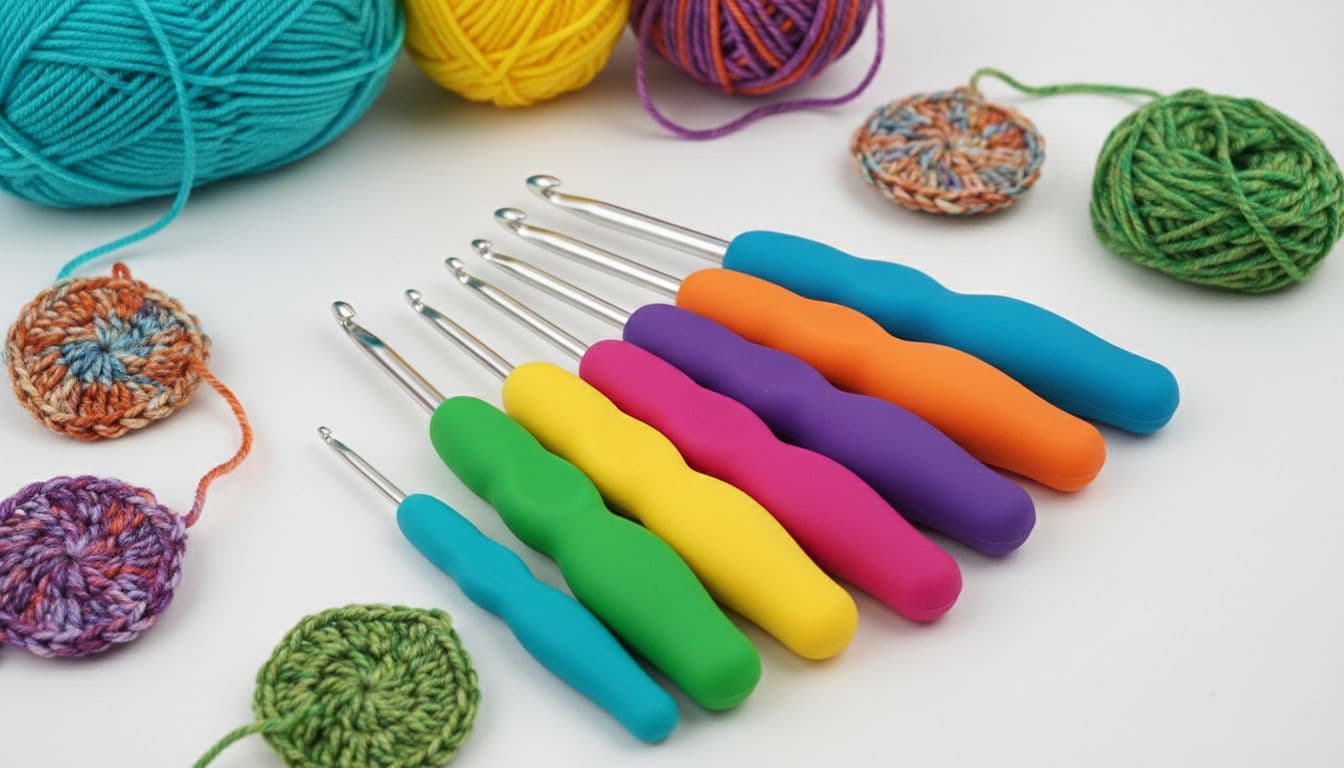
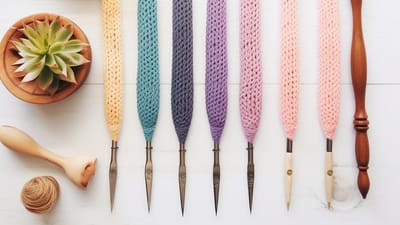
The tools we use for crochet can also have an environmental impact. Traditional crochet hooks are often made of aluminum or plastic. Consider switching to bamboo or sustainably sourced wooden crochet hooks as an eco-friendly alternative. These materials are renewable and biodegradable. There are some beautiful wooden hooks available from brands like Furls Crochet and Clover.
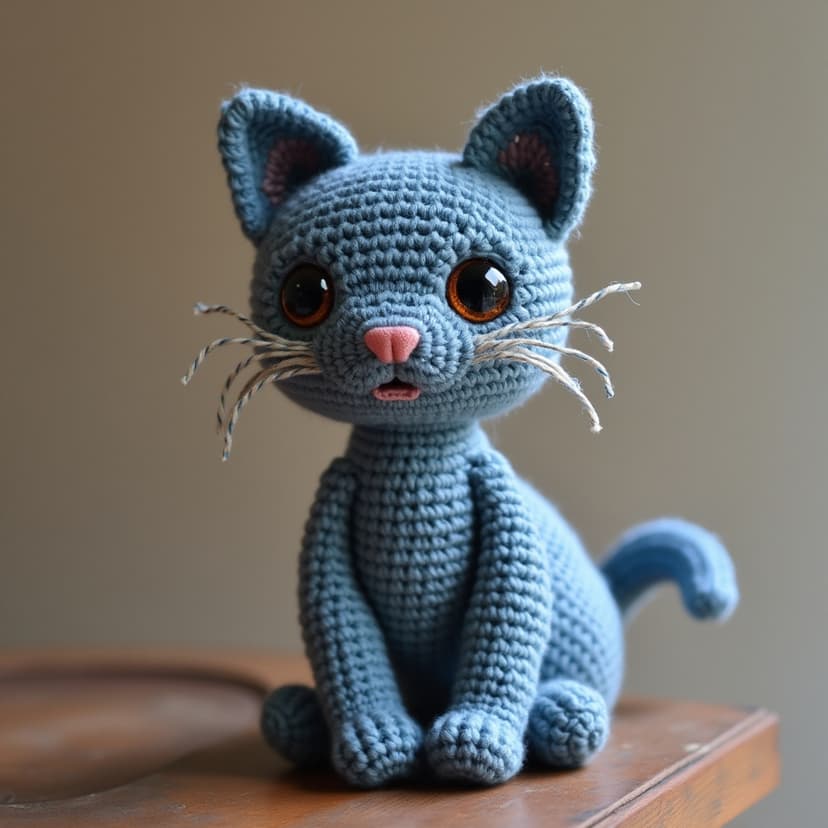
Avoid plastic stitch markers and opt for metal or glass ones instead. For amigurumi, choose natural fiber stuffing like cotton or wool instead of polyester fiberfill. Reusable project bags are a must-have – ditch the plastic bags and invest in a sturdy canvas or cotton bag to keep your projects organized. This also reduces the need for individual plastic packaging for each project.
Taking care of your tools extends their lifespan, which is a key aspect of sustainability. Clean your hooks regularly and store them properly to prevent damage. Sharpen your scissors when needed to maintain their effectiveness. A well-maintained set of tools will last for years, reducing the need for frequent replacements.
It’s about thinking holistically. Sustainable crochet isn’t just about the yarn; it’s about every aspect of the craft, from the materials we use to the tools we rely on.
Dyeing Your Own Yarn Naturally
For the adventurous crocheter, dyeing your own yarn with natural dyes is a fantastic way to create unique and sustainable colors. Common natural dye sources include plants (marigolds, onion skins, indigo), flowers (roses, sunflowers), and even food waste (avocado pits, coffee grounds). The possibilities are endless!
The dyeing process involves several steps: mordanting (preparing the yarn to accept the dye), simmering the yarn in the dye bath, and rinsing and drying. Mordanting is essential for colorfastness – it helps the dye bond to the fibers. Alum is a commonly used mordant, but there are other options available. The simmering time and dye concentration will affect the intensity of the color.
The benefits of using natural dyes are numerous. You reduce your exposure to harmful chemicals found in synthetic dyes, create unique and nuanced color variations, and connect with the natural world. Natural dyeing requires patience and experimentation, but the results are incredibly rewarding. It's also a great way to use up kitchen scraps and reduce waste.
I’ve found that natural dyeing is a bit of an art form. It takes practice to achieve consistent results, but that’s part of the charm. Don't be afraid to experiment with different dye sources and techniques. There are many resources available online and in books to help you get started.
- Common Natural Dye Sources: Marigolds, onion skins, avocado pits, coffee grounds.
- Mordanting: Prepares yarn for dye absorption (alum is a common mordant).
- Simmering: Yarn is heated in the dye bath.
- Rinsing & Drying: Final steps to set the color.
Resources for Sustainable Yarn
Finding sustainable yarn can be a challenge, but there are many excellent resources available. Online shops like Darn Good Yarn and KnitPicks offer a wide selection of eco-friendly yarns, including organic cotton, recycled fibers, and hand-dyed options. For a more curated selection, check out LoveCrafts, which features a dedicated section for sustainable yarns.
Several smaller, independent yarn dyers specialize in natural dyeing and ethical sourcing. Websites like Ravelry have yarn directories where you can search for sustainable options by fiber type, certification, and location. You Get Hooked also features patterns specifically designed to showcase sustainable yarns, helping you find the perfect project for your eco-friendly materials.
If you prefer to shop in person, look for local yarn stores that prioritize sustainability. Many yarn stores are now carrying a wider range of eco-friendly yarns and supporting independent dyers. Don’t hesitate to ask the staff for recommendations. They’re often knowledgeable about sustainable yarn options and can help you find what you’re looking for.
Organizations like the Textile Exchange are working to promote sustainable textile practices and provide resources for consumers. Their website offers information on certifications, sustainable materials, and ethical sourcing.
- Darn Good Yarn:
- KnitPicks:
- LoveCrafts:
- Ravelry Yarn Directory:
- Textile Exchange:
Sustainable Yarn Retailers
- Knit Picks - Offers a wide range of affordable yarns, including organic cotton, recycled fibers (like their Upcycled Cotton line), and responsibly sourced wool. They are transparent about their sourcing and milling practices.
- LoveCrafts - A large online retailer with a dedicated section for sustainable yarns. They carry brands specializing in organic cotton, bamboo, linen, and recycled materials, alongside detailed fiber information.
- WeCrochet - Known for its focus on crochet, WeCrochet offers several eco-friendly yarn options, including organic cotton and recycled fibers. They often highlight the sustainability aspects of their yarn lines.
- Lion Brand Yarn - A well-known brand that has expanded its sustainable offerings, including their Re-Spun yarn made from recycled plastic bottles and their Organic Cotton yarn.
- Etsy - A marketplace with numerous independent yarn dyers and sellers specializing in natural, organic, and hand-dyed yarns. Many prioritize sustainable practices and offer unique, small-batch options. Search for terms like 'organic yarn' or 'eco-friendly yarn'.
- Blue Sky Fibers - Specializes in organic cotton and wool yarns, with a commitment to responsible sourcing and environmentally friendly production methods. They offer a range of weights and colors.
- Valley Yarns - Offers a selection of sustainable yarns, including their Eco-Wash line made from recycled fibers. They provide information on yarn composition and care.
Community & The Future of Crochet
The sustainable crochet community is thriving! Online forums like Ravelry and social media groups on platforms like Facebook and Instagram provide spaces for crocheters to share their experiences, ask questions, and inspire each other. Local crochet meetups are also a great way to connect with like-minded individuals and learn from others.
Sharing your own experiences and tips is a valuable contribution to the community. Whether you’re experimenting with natural dyeing, designing zero-waste patterns, or simply choosing sustainable yarn, your insights can help others on their journey. The more we share, the more we learn, and the stronger the movement becomes.
The future of sustainable yarn development looks promising. Researchers are exploring new and innovative materials, such as fibers made from agricultural waste and seaweed. There’s also growing interest in circular economy models, where yarn is recycled and reused to minimize waste. I’m optimistic that we’ll see even more sustainable options becoming available in the years to come.
Ultimately, sustainable crochet is about more than just the materials we use. It's about a shift in mindset, a commitment to conscious consumption, and a celebration of the beauty of handmade crafts. It’s about creating things that we love while respecting the planet and the people who make our materials possible.
What is the biggest challenge you face when trying to crochet sustainably?
Sustainable crochet is gaining momentum, but we know it is not always straightforward. Whether you are searching for eco-friendly yarns or trying to reduce waste in your projects, there are real obstacles to navigate. We want to hear from you so we can create content that helps you overcome these hurdles. Vote below and let us know where you need the most support on your sustainable crochet journey!
No comments yet. Be the first to share your thoughts!