

Crochet's New Muse: AI Design
For generations, crochet patterns were made by hand, a process passed down through families and communities. Designers sketched ideas, calculated stitch counts, and wrote instructions—a task needing both artistic vision and technical skill. This method worked for decades, but things are changing. Artificial intelligence is now driving a revolution in crochet design.
AI creating crochet patterns seemed like science fiction recently, but machine learning advancements made it real. These tools aim to offer new avenues for creativity and accessibility, augmenting the process without eliminating the human element. This technology is progressing quickly.
We are currently in a period of experimentation. The tools are evolving, but their potential is clear. By 2026, AI-generated crochet patterns will likely be commonplace, offering crocheters of all skill levels more designs than ever. This will open up possibilities we haven't yet imagined.
You Get Hooked, a crochet community resource, is following these developments. AI can empower designers and hobbyists, making crochet more inclusive and innovative. Quickly prototyping ideas, exploring complex stitch combinations, and customizing patterns to individual preferences will be transformative.
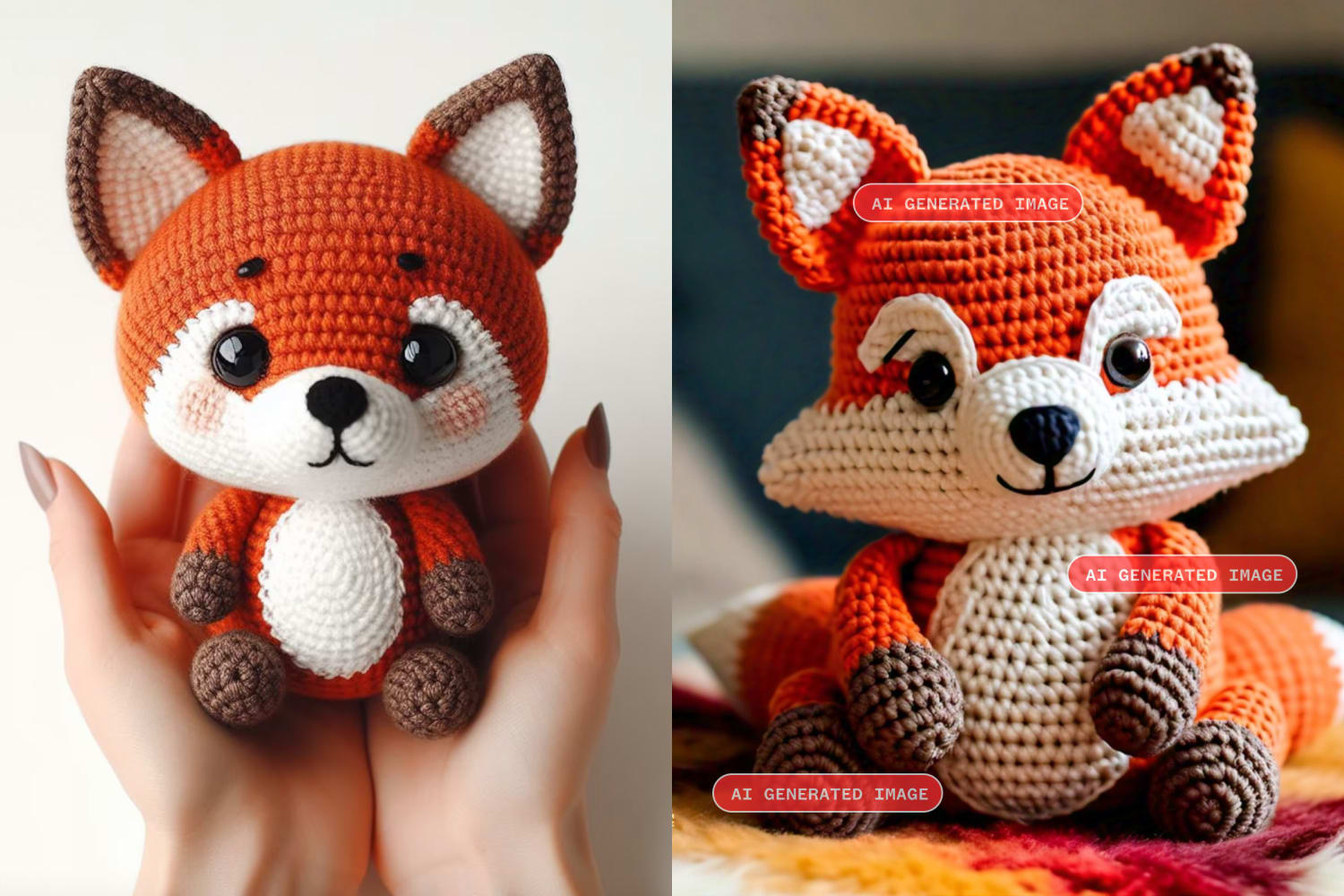
Pattern Generation: How It Works
AI crochet pattern generation uses complex machine learning models. These models learn to recognize patterns in existing crochet designs through a process called "training," where the AI is fed a massive dataset of crochet patterns.
Two models are frequently used: diffusion models and Generative Adversarial Networks (GANs). Diffusion models add noise to a pattern representation until it becomes pure noise, then learn to reverse the process to generate a pattern from noise. GANs involve two competing neural networks—one generating patterns, the other distinguishing them from real ones. This competition improves both networks.
The quality of the generated pattern depends on the training data's quality and size. A more diverse and comprehensive dataset leads to more creative and accurate AI output. Prompt engineering, the art of crafting specific text instructions to guide the AI, is also important. A good prompt might include desired stitch types, yarn weight, and overall pattern style.
Think of it like giving instructions to a human designer; clearer instructions yield better results. However, an AI model lacks inherent artistic judgment, relying entirely on learned patterns and prompt guidance. Understanding this is key to getting the most out of these tools.
Current Tools & Platforms
AI crochet pattern generation is still emerging, so options are limited compared to established AI art generators. Several platforms offer promising tools. This is a rapidly evolving field, with new platforms appearing frequently.
Stitchify AI, an early entrant, focuses on creating crochet and knitting patterns. Users input parameters like project type (blanket, hat, scarf), stitch style, and complexity, and it generates a pattern. Stitchify AI operates on a subscription model, with plans starting around $10 per month.
Bhookedcrochet.com, a well-established resource for free crochet patterns and tutorials, has begun exploring AI-assisted design. They offer AI-generated patterns alongside traditional ones, focusing on ease of use for beginners. While not fully AI-driven, it shows how existing resources are integrating the technology.
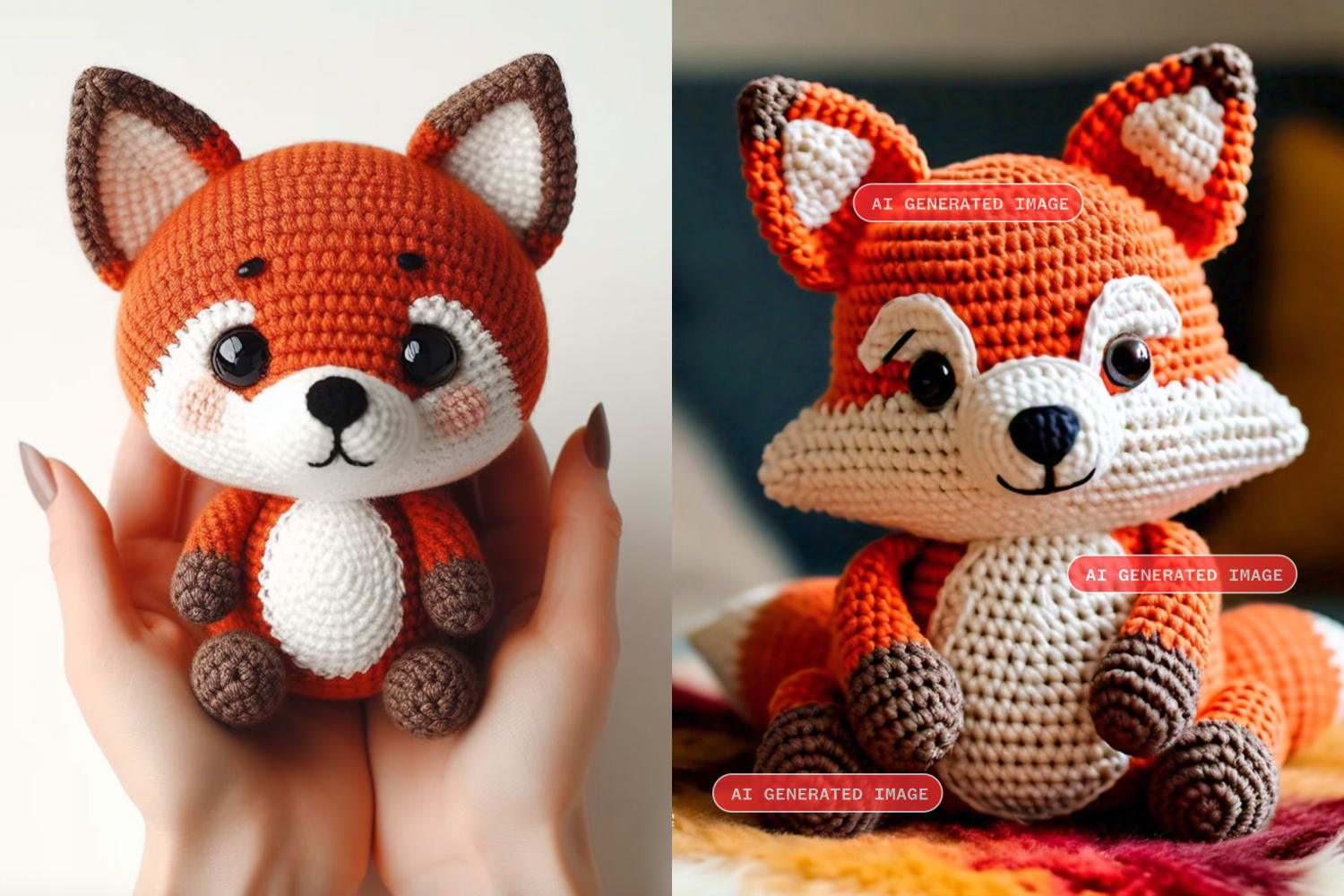
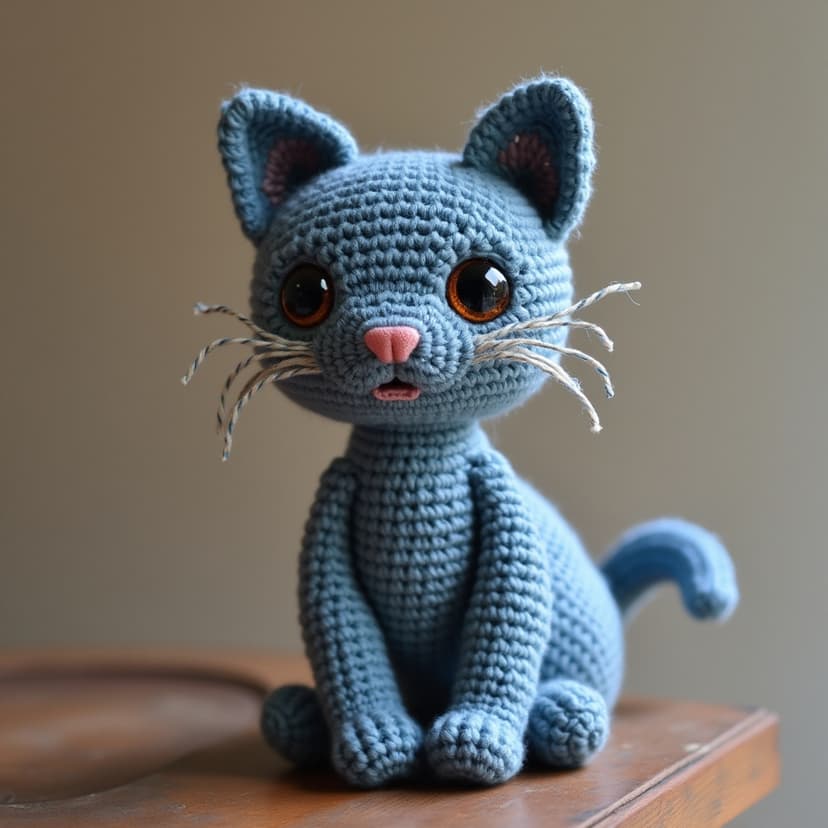
General-purpose AI art generators like Midjourney and DALL-E 3 can create visual representations of crochet designs. They don't directly generate written patterns, but users can input prompts describing the desired design and interpret the image to create their own pattern. This requires more manual effort but offers greater creative control. You Get Hooked has seen users share amazing interpretations on social media.
Several smaller, independent projects are experimenting with AI crochet pattern generation, often as open-source tools or web-based prototypes. While they may lack polish, they offer a glimpse into the technology's future and often allow for greater customization.
AI Crochet Pattern Generator Comparison (2026)
| Platform Name | Pattern Focus | Input Method | Output Format | User Skill Level |
|---|---|---|---|---|
| StitchGen | Amigurumi, Accessories | Text Prompt | Written Instructions | Beginner to Intermediate |
| YarnAI | Garments, Blankets | Text Prompt, Image Upload | Chart and Written Instructions | Intermediate to Advanced |
| KnotBot | Granny Squares, Home Decor | Text Prompt | Chart | Beginner |
| FiberForge | Complex Lace, Shawls | Text Prompt, Style Selection | Written Instructions | Advanced |
| HookHelper | Amigurumi, Small Projects | Text Prompt | Simplified Written Instructions | Beginner |
| PatternWeaver | Garments, Blankets, Accessories | Image Upload, Text Prompt | Chart, Written Instructions | Intermediate |
Illustrative comparison based on the article research brief. Verify current pricing, limits, and product details in the official docs before relying on it.
Beyond the Basics: Customization & Control
Customization varies significantly between AI crochet pattern generators. Some tools offer basic controls like project type and stitch style. Others provide more granular options, such as yarn weight, hook size, and specific stitch patterns.
The ability to influence pattern complexity is a key feature. Beginners might prefer simpler designs, while experienced crocheters might want more challenging projects. The best tools let you adjust this parameter to suit your skill level. Stitchify AI allows you to adjust intricacy.
Iterative design is becoming increasingly important. This involves generating an initial pattern, reviewing it, and providing feedback to the AI to refine the design. Some
However, direct editing remains relatively rare. Most platforms currently focus on generating variations of the initial pattern based on your feedback. This iterative process can be time-consuming, but it’s often necessary to achieve the desired result. The more specific you are with your feedback, the better the AI will understand your preferences.
The Impact on Designers
The emergence of AI-generated crochet patterns has understandably raised concerns among designers. Is this technology a threat to their livelihood, or an opportunity to enhance their creativity? I believe the answer is a bit of both. It's not a simple case of replacement.
AI can automate some of the more tedious aspects of pattern design, such as calculating stitch counts and creating repetitive elements. This frees up designers to focus on the more creative aspects of the process, such as developing new stitch combinations and exploring innovative design concepts. It can significantly speed up their workflow.
AI can also be used to create personalized patterns for clients. Imagine a client requesting a blanket with a specific color scheme and stitch pattern. An AI could quickly generate a pattern that meets those requirements, saving the designer hours of work. This opens up new possibilities for custom design services.
However, it’s also important to acknowledge the potential for disruption. Designers who rely on creating basic, repetitive patterns may face increased competition from AI-generated designs. To thrive in this new landscape, designers will need to focus on offering unique value—their artistic vision, expertise, and personal touch. You Get Hooked will continue to champion the work of independent designers and highlight their unique contributions to the crochet community.
New Stitch Techniques & Possibilities
One of the most exciting possibilities of AI-generated crochet patterns is the potential for discovering new stitch techniques or variations on existing ones. AI can explore combinations of stitches that a human might not have considered, leading to unexpected and innovative results. It’s a way to break free from traditional design constraints.
AI excels at identifying patterns, and that includes subtle variations in stitch structure. It could analyze thousands of existing patterns and identify previously unexplored combinations, leading to the creation of entirely new stitch techniques. We might see the emergence of stitches that are too complex for a human to design manually.
Advanced techniques like Tunisian crochet, known for their unique texture and drape, are particularly ripe for exploration. AI could generate patterns that push the boundaries of Tunisian crochet, creating intricate designs that were previously impossible to achieve. Imagine AI suggesting novel combinations of Tunisian simple stitch and Tunisian knit stitch.
The ability to simulate the drape and texture of different stitch patterns is also a promising area of development. This would allow designers to preview how a pattern will look and feel before they even start crocheting, significantly improving the design process. It’s a future where technology and artistry work hand-in-hand.
Copyright & Ownership: A Legal Maze
The legal implications of AI-generated art, including crochet patterns, are complex and largely unresolved. The fundamental question is: who owns the copyright to a pattern created by AI? Is it the developer of the AI model, the user who provided the prompt, or is the pattern uncopyrightable because it wasn't created by a human?
Current copyright law generally requires human authorship for a work to be protected. However, some argue that the user who crafts the prompt should be considered the author, as they are providing the creative input that guides the AI. This is a contentious issue, and legal precedents are still being established.
Another concern is the potential for copyright infringement. If an AI is trained on existing crochet patterns, could the generated patterns be considered derivative works, infringing on the copyright of the original designers? This is a particularly relevant concern for patterns that closely resemble existing designs. It’s a murky area.
There’s a growing need for clear legal guidelines to address these issues. Some legal scholars propose a new category of copyright protection for AI-generated works, while others suggest that existing laws should be adapted to accommodate this new technology. Until these issues are resolved, the legal landscape surrounding AI-generated crochet patterns will remain a maze.
- Copyright: Determining ownership of AI-generated patterns is a key legal challenge.
- Infringement: The risk of AI generating patterns that resemble existing copyrighted designs is a concern.
- Legal Clarity: Clear guidelines are needed to address these issues and provide certainty for designers and users.
Looking Ahead: 2026 and Beyond
By 2026, I anticipate AI-generated crochet patterns will be seamlessly integrated into the crochet world. The tools will become more sophisticated, offering greater customization options and more accurate pattern generation. We’ll likely see the emergence of specialized AI models trained on specific types of crochet, such as amigurumi or lace.
AI will become an indispensable tool for both crocheters and designers. Hobbyists will use it to explore new ideas, create personalized patterns, and overcome design challenges. Designers will leverage it to streamline their workflow, enhance their creativity, and offer innovative services to their clients.
I predict we’ll see entirely new forms of crochet emerge thanks to AI. The ability to explore complex stitch combinations and generate patterns that were previously impossible to design manually will unlock a new era of artistic expression. Imagine intricate, three-dimensional crochet sculptures created with the help of AI.
Ultimately, the future of crochet is a collaborative one—a partnership between human creativity and artificial intelligence. AI isn’t about replacing the human element; it’s about augmenting it, empowering crocheters and designers to reach new heights of artistic achievement. You Get Hooked is excited to be a part of this evolution and to continue supporting the vibrant crochet community.
No comments yet. Be the first to share your thoughts!