

The Unexpected Calm: Crochet’s Rise
It feels like crochet is everywhere right now. You’ve probably noticed it – a friend taking it up, a beautifully crocheted blanket on Instagram, or maybe even seen the trend reports. According to You Get Hooked’s data from 2024, searches for granny square patterns surged by over 300%, and that momentum is continuing. It's more than just a fleeting trend, though. People are actively seeking out hobbies that offer a sense of calm and control, and crochet delivers on both fronts.
This revival is often linked to the "cottagecore’ aesthetic – that romanticized vision of a simpler, rural life. But it’s deeper than aesthetics. Crochet is becoming recognized as a deliberate act of self-care, a way to disconnect from the constant demands of modern life. It’s a mindful practice disguised as a hobby, and it"s proving surprisingly effective for many.
What’s really contributing to this growth is accessibility. Resources like You Get Hooked make it easier than ever to learn crochet, even if you've never picked up a hook before. From beginner's guides to advanced techniques, the information is available to anyone who wants to give it a try. It’s a craft that doesn’t require a huge investment in materials or a lot of prior experience.
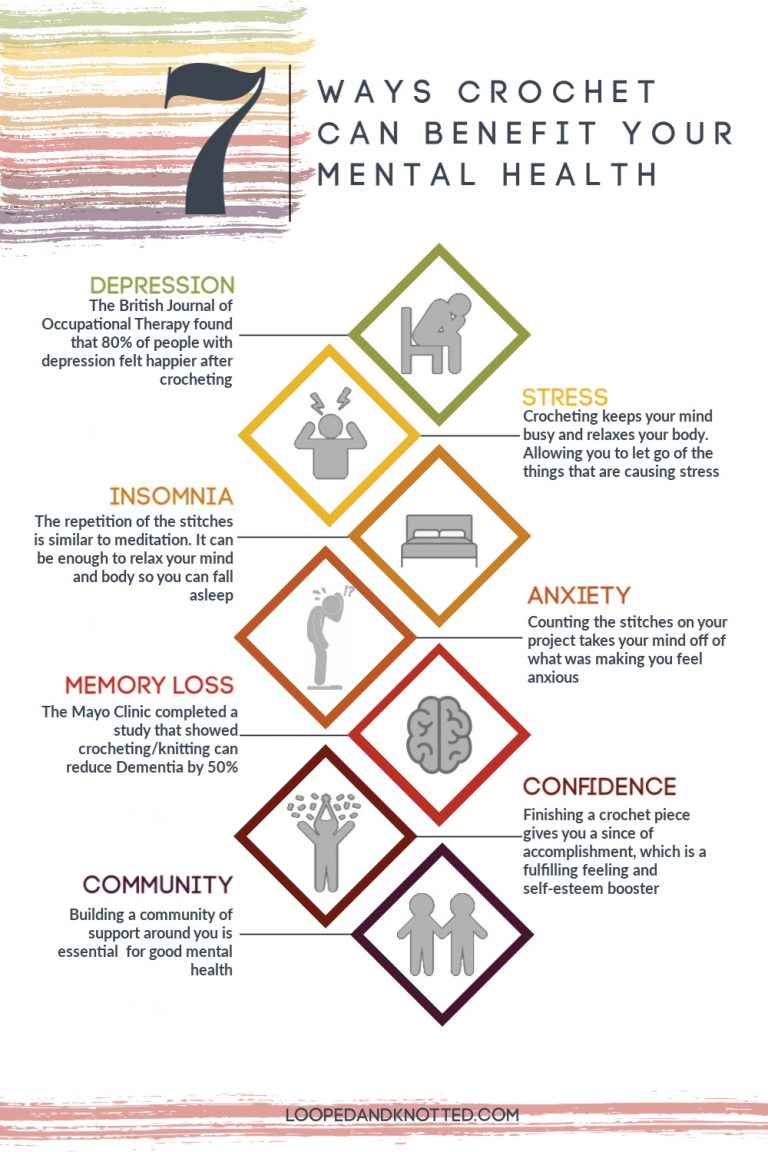
Flow State & Fiber Arts
Have you ever lost track of time while working on something you truly enjoy? That’s likely a "flow state’ – a state of complete absorption in an activity, where you"re fully present and focused. Psychologists describe it as a feeling of energized focus, full involvement, and enjoyment in the process of the activity. The repetitive motions inherent in crochet are remarkably effective at inducing this state.
The rhythmic act of pulling yarn through loops, creating stitch after stitch, can quiet the "thinking mind’. It’s a chance to step away from worries, anxieties, and to-do lists. This isn’t about achieving a perfect finished product; it’s the process itself that"s therapeutic. The tactile nature of the yarn – the texture, the weight, the color – further grounds you in the present moment.
Think about it: our brains are constantly bombarded with stimuli. Crochet provides a welcome respite from that. It’s a focused activity that demands your attention, but in a gentle, non-threatening way. It’s a chance to slow down, breathe, and simply be with the yarn and the hook. It’s not about multitasking; it’s about single-tasking, and that can be incredibly restorative.
- Focus on the stitch: Concentrate on the movement of the hook and yarn.
- Feel the yarn: Pay attention to the texture and weight of the material.
- Breathe deeply: Use the rhythmic motion to coordinate with your breath.
Dopamine, Serotonin, & Stitching
Crochet isn’t just relaxing; it actually impacts your brain chemistry. Completing even a small crochet project – a single square, a simple coaster – triggers a release of dopamine, a neurotransmitter associated with pleasure and reward. This creates a sense of accomplishment and motivates you to continue. It’s a positive feedback loop.
The repetitive motions of crochet can also boost serotonin levels. Serotonin is a neurotransmitter that plays a crucial role in regulating mood, sleep, and appetite. Increasing serotonin can contribute to feelings of well-being and calmness. It's a subtle effect, but over time, the cumulative benefits can be significant.
I'm not a neuroscientist, so I won’t pretend to offer a detailed explanation of the neurochemistry involved. What I can say is that many crocheters report feeling a sense of calm, satisfaction, and even joy while they’re working on their projects. It’s a feeling that goes beyond simply having something to show for their time.
Crochet as Mindfulness Practice
There’s a strong parallel between crochet and mindfulness meditation. Both practices emphasize focusing your attention on the present moment, without judgment. When you’re crocheting, you’re encouraged to pay attention to the sensations of the yarn in your hands, the movement of the hook, and the emerging stitches. This deliberate focus pulls you away from distracting thoughts and worries.
In a world that constantly demands our attention, crochet offers a valuable opportunity to slow down and reconnect with ourselves. It’s a chance to practice being present, to appreciate the simple act of creation. This can be particularly helpful for managing anxiety and stress, as it provides a healthy outlet for nervous energy.
It's important to be clear: crochet isn't a replacement for professional therapy if you're struggling with mental health issues. But it can be a powerful complementary practice. It’s a tool for self-soothing, a way to cultivate inner peace, and a reminder to appreciate the beauty of the present moment. It's a way to build a little bit of calm into your day.
- Focus on sensation: Pay attention to the texture of the yarn and the movement of the hook.
- Accept wandering thoughts: Gently redirect your attention back to the task at hand.
- Practice non-judgment: Avoid criticizing your work; simply observe the process.
Social Stitching: Community & Connection
Crochet isn’t always a solitary activity. Joining a crochet group – whether online or in person – can provide a sense of community and belonging. Sharing your projects, learning from others, and simply chatting with fellow crocheters can combat loneliness and foster social connection. There’s a real joy in sharing a passion with others.
Many crochet groups also engage in collaborative projects, such as creating charity blankets for hospitals or shelters. This adds another layer of meaning to the hobby, as you’re contributing to something larger than yourself. It’s a way to use your skills to make a positive impact on the world.
The You Get Hooked community is a great example of this. It’s a supportive space where crocheters can share their work, ask questions, and connect with others who share their passion. As one crocheter told me, "Finding the You Get Hooked community completely changed my crochet journey. It’s not just about learning new stitches; it’s about having a group of friends who understand and encourage me."
Crochet for Specific Challenges
The benefits of crochet can be particularly pronounced for individuals facing specific mental health challenges. For those with ADHD, the focused, repetitive nature of crochet can help improve concentration and reduce impulsivity. The tangible results provide a sense of accomplishment that can be hard to come by in other areas of life.
For people struggling with anxiety, the grounding effect of working with yarn and the rhythmic motions can be incredibly soothing. It provides a safe and predictable activity that can help calm racing thoughts. Similarly, for individuals experiencing depression, crochet can offer a sense of purpose and motivation, even on days when it’s hard to get out of bed.
There’s also potential benefit for those with PTSD. Crochet can provide a safe and controlled activity that allows individuals to reconnect with their bodies and regulate their emotions. It’s a non-threatening way to practice self-soothing and regain a sense of control. However, it’s crucial to approach this with sensitivity and recognize that crochet is not a cure-all.
Beyond Granny Squares: Expanding Skills, Expanding Benefits
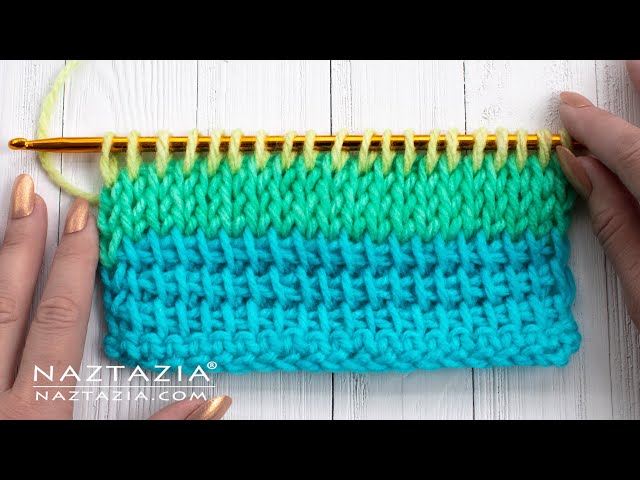
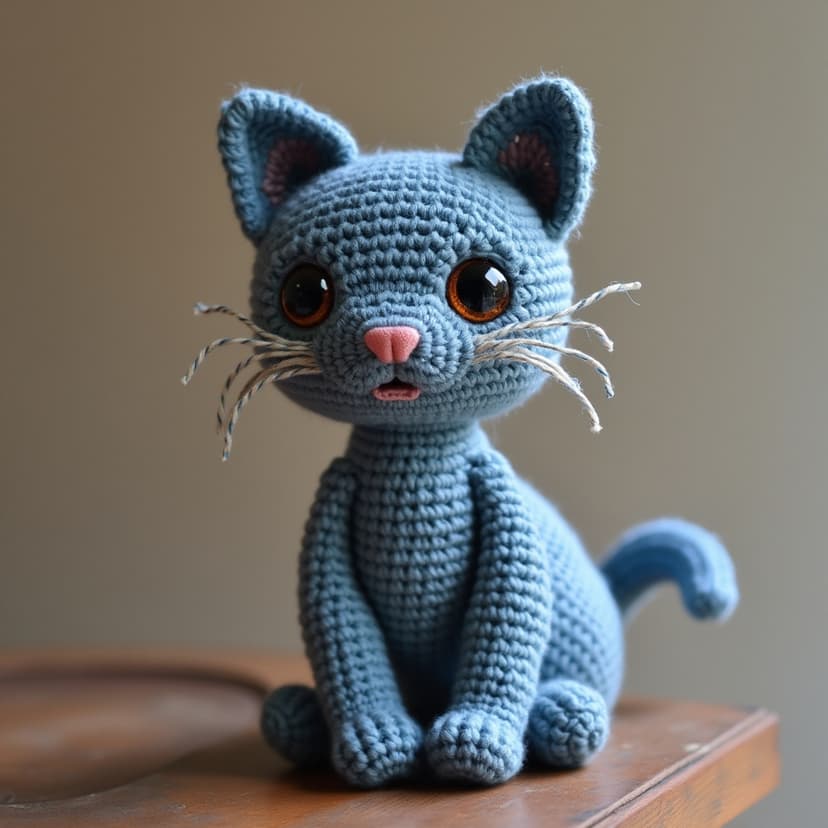
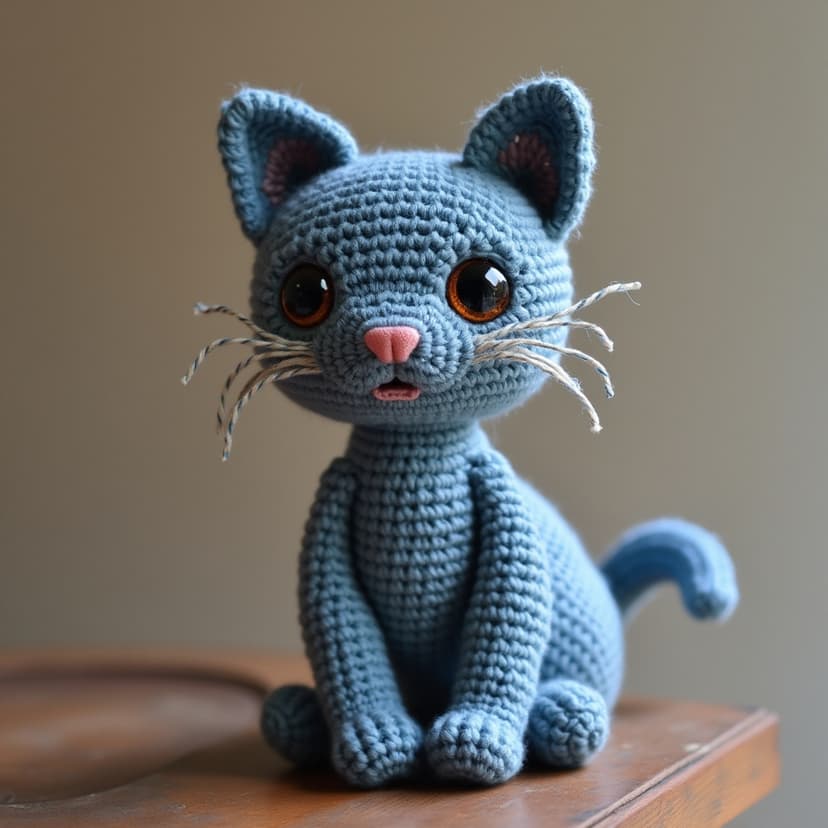
Once you’ve mastered the basics, the world of crochet opens up. Learning more complex techniques – like Tunisian crochet, filet crochet, or amigurumi (the art of crocheting small, stuffed creatures) – provides a continued sense of challenge and accomplishment. It keeps your brain engaged and prevents the hobby from becoming monotonous.
Setting crochet goals – completing a large blanket, designing your own pattern, or learning a new stitch – can boost self-esteem and motivation. It’s a way to measure your progress and celebrate your achievements. Each completed project is a testament to your skill and perseverance.
You Get Hooked offers a wealth of resources for expanding your crochet skills. From detailed tutorials to inspiring patterns, there’s something for crocheters of all levels. Don’t be afraid to push yourself and explore new techniques. The more you learn, the more rewarding the hobby will become. Crochet is a journey, not a destination.
- Tunisian Crochet: Creates a fabric with a unique texture.
- Filet Crochet: Uses chains and double crochets to create lace-like patterns.
- Amigurumi: The art of crocheting small, stuffed creatures.
No comments yet. Be the first to share your thoughts!