

Tunisian Crochet's Rise
Tunisian crochet is gaining traction. Though it's been around for centuries, with origins tracing back to 19th-century Tunisia where it was used for warm garments, its unique texture and versatility are captivating modern makers today. Many are seeking something different from traditional crochet, and Tunisian offers just that.
Tunisian crochet's distinctive fabric sets it apart. It doesn't quite resemble traditional crochet or knitting, creating a dense, woven-like texture with less drape than standard crochet. This makes it ideal for projects needing structure and warmth, like blankets, cushions, or sturdy garments. The yarn handling also gives it a unique look, often described as more 'knitted'.
Tunisian crochet projects are appearing online with makers experimenting in colorwork, creating intricate mosaic patterns, and using it for home décor and accessories. The technique allows for creativity, and the results are often visually striking. It appeals to both beginners and experienced crocheters, offering a satisfying challenge and beautiful outcomes.
Beyond aesthetics, many crocheters find Tunisian crochet faster than traditional crochet for certain projects, especially larger ones like blankets. Working each row in a single pass can speed up the process. It's a beautiful and efficient technique.
Tools You'll Need
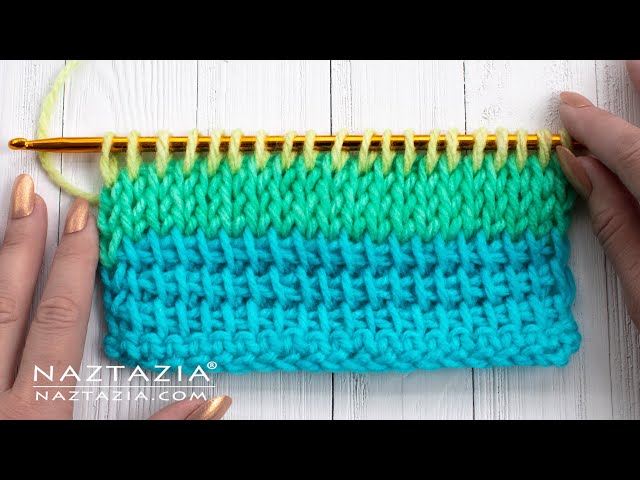
Getting started with Tunisian crochet requires minimal investment in tools, but the right equipment helps. The most important tool is the hook. Unlike standard crochet hooks, Tunisian crochet hooks are much longer, similar to knitting needles. They come in two main types: single-ended and double-ended.
Single-ended hooks are common for beginners. They work like regular crochet hooks but have a longer shaft to hold more loops. Double-ended hooks, with a hook on each end, are preferred by experienced crocheters for speed and efficiency, allowing work back and forth without turning.
Yarn weight is another consideration. For a first project, a medium-weight yarn (worsted or DK with a slightly larger hook) is recommended. This weight is easy to work with and provides good stitch definition. As you gain confidence, experiment with different weights, from lace to super bulky, but start with something manageable. Match hook size to yarn weight using the yarn label.
Other helpful tools include stitch markers for rows or pattern repeats, and a yarn needle for weaving in ends to create a clean finish. Start with the basics and add more tools as you explore the technique.
- Tunisian Crochet Hook: Single-ended or double-ended
- Yarn: Worsted weight is a good starting point
- Stitch Markers: To mark rows or repeats
- Yarn Needle: For weaving in ends
Tunisian Crochet Hook Comparison
| Hook Type | Ease of Use (Beginner) | Project Suitability | Typical Cost |
|---|---|---|---|
| Single-Ended Hook | Generally easier to learn with, as it mimics standard crochet | Best for flat projects like scarves, panels, and blankets | Approximately $5 - $15 per hook |
| Double-Ended Hook | Requires coordinating two hook ends; steeper learning curve | Versatile for both flat and in-the-round projects, though can be awkward for large pieces | Approximately $8 - $20 per hook |
| Afghan Hook | Can be easier for maintaining consistent tension in larger flat projects | Primarily for flat projects; less suitable for shaping or in-the-round work | Approximately $7 - $18 per hook |
| Single-Ended with Cable | Offers some of the benefits of a double-ended hook with a longer cable for larger projects | Suitable for larger flat projects, reducing strain on hands | Approximately $15 - $30 per hook |
| Double-Ended with Stoppers | Stoppers help prevent stitches from falling off, aiding beginners | Good for smaller in-the-round projects or flat pieces where stitch retention is a concern | Approximately $10 - $25 per hook |
Illustrative comparison based on the article research brief. Verify current pricing, limits, and product details in the official docs before relying on it.
The Basic Tunisian Stitch
The core of Tunisian crochet is the Tunisian Simple Stitch (Tss), the foundation for many other stitches. Mastering it is essential. The process involves two distinct passes: the forward pass and the return pass, combining elements of crochet and knitting.
In the forward pass, build stitches on your hook. Start by chaining the desired width. Insert your hook into the first chain stitch, yarn over, and pull up a loop, leaving two loops on your hook. Repeat this across the row, creating a row of loops. The motion is: insert, yarn over, pull up a loop.
At the end of the row, begin the return pass to work loops off the hook and create fabric. Yarn over and pull through the first loop on your hook. Continue this, yarn over and pulling through the next loop, until all loops are worked off. This completes one row of Tunisian Simple Stitch. Repeat the forward and return passes to build your project.
Beginners may face issues like dropping stitches, often due to inconsistent loop pulling on the forward pass. Maintaining even tension is also important to avoid a wonky fabric. Curling edges can result from pulling too tightly on the return pass. Don't hesitate to frog your work and restart if needed. Practice helps learn the correct technique.
- Chain the desired length.
- Forward Pass: Insert hook into first chain, yarn over, pull up a loop (repeat across row).
- Return Pass: Yarn over, pull through first loop on hook (repeat across row).
- Repeat forward and return passes.
Beyond Simple: Essential Stitches
After mastering the Tunisian Simple Stitch, explore other fundamental stitches for texture and visual interest. Two essential stitches are the Tunisian Knit Stitch (Tks) and the Tunisian Purl Stitch (Tps), analogous to knit and purl stitches in traditional knitting, creating different fabric textures.
The Tunisian Knit Stitch creates a fabric resembling knitting's stockinette stitch. Work it by inserting the hook from front to back into the vertical bar of the previous row, yarn over, and pull up a loop for a slightly textured surface. The Tunisian Purl Stitch creates a fabric similar to garter stitch. Work it by inserting the hook from back to front into the vertical bar, yarn over, and pull up a loop.
Combining Tks and Tps creates ribbing, stripes, or other simple patterns. Alternating rows of Tks and Tps creates classic 1x1 ribbing, ideal for cuffs or edges. Experimenting with combinations opens up possibilities. Try simple colorwork by changing yarn colors every few stitches or rows.
If the Tunisian Purl Stitch is tricky, the Tunisian Reverse Stitch is a good alternative. It's easier to learn and creates a similar textured effect by working the return pass differently, creating a bump on the right side of the fabric. It's a stepping stone to mastering the full purl stitch.
Reading Tunisian Charts
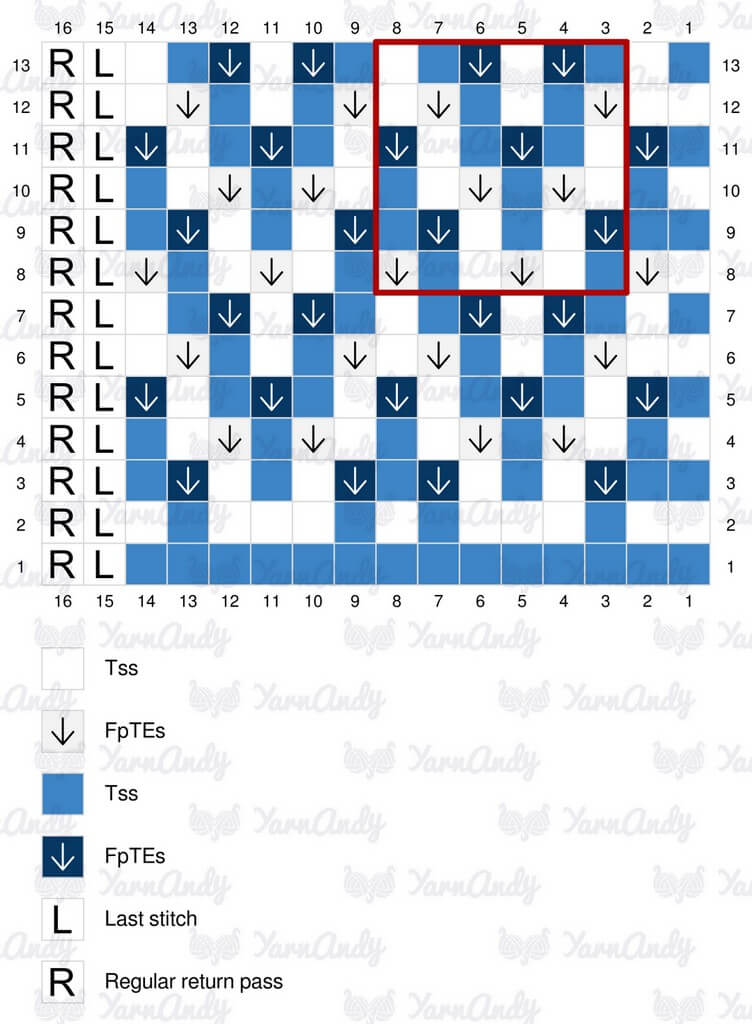
Many Tunisian crochet patterns use charts, which can seem intimidating initially. Once you understand the symbols, they offer a quick and efficient way to visualize the pattern. Charts are visual representations of stitches and color changes in a project.
Each symbol on a chart represents a specific stitch or action. Common symbols include a straight line for a Tunisian Simple Stitch, a slanted line for a Tunisian Knit Stitch, and a curved line for a Tunisian Purl Stitch. Color changes are often indicated by different colors on the chart. A key or legend will always accompany the chart, explaining what each symbol means.
Let's walk through a simple example. Imagine a chart with a row of straight lines followed by a row of slanted lines. This would translate to a row of Tunisian Simple Stitches followed by a row of Tunisian Knit Stitches. Follow the chart from right to left for odd-numbered rows, and left to right for even-numbered rows. It takes practice, but it becomes easier with each project.
There are many resources available online to help you. Websites like Ravelry and LoveCrafts often have extensive chart symbol guides. Don’t be afraid to search for tutorials on YouTube as well. The more you practice, the more comfortable you’ll become with interpreting these visual guides.
Mosaic Magic: Advanced Patterns
Once you've mastered the basic stitches and chart reading, you can venture into more complex techniques like Tunisian mosaic crochet. This technique creates stunning geometric patterns using simple stitches and clever color changes. It’s a fantastic way to add visual impact to your projects.
As demonstrated in YarnAndy’s tutorial on advanced Tunisian mosaic crochet with a leaf pattern, the key to mosaic crochet is working with two colors per row. You work the forward pass using only one color, and then the return pass using the other color. The color changes create the illusion of intricate patterns, even though you’re only using basic stitches.
Don't let the intricate look fool you – mosaic crochet is based on repeating rows and following a chart. It requires careful attention to detail, but it’s surprisingly achievable for intermediate crocheters. The chart will guide you on where to change colors and which stitch to use in each section. It’s about following the map, not inventing it.
Beyond mosaic crochet, there are other advanced Tunisian techniques to explore, such as Tunisian lace and full stitch patterns. These techniques involve more complex stitch combinations and require a higher level of skill. They’re excellent goals to set as you continue to develop your Tunisian crochet expertise.
Project Ideas to Get You Hooked
Now for the fun part: putting your new skills to use! Tunisian crochet is incredibly versatile, and there’s a project for every skill level. For beginners, a simple scarf or washcloth is a great starting point. These projects allow you to practice the basic stitches and get a feel for the technique without being overwhelming.
As you gain confidence, you can move on to slightly more challenging projects like hats, cowls, or baby blankets. These projects introduce more complex shapes and stitch patterns. The Rohn Strong video showcasing the Tunisian Delight Afghan provides a fantastic project for practicing new stitches and learning to read patterns. It’s a visually appealing and satisfying project to complete.
If you’re feeling ambitious, you can even tackle garments like cardigans or sweaters. Tunisian crochet fabric has a lovely drape that works well for clothing, but it’s important to choose a yarn and stitch pattern that will create the desired fit and feel. Don’t be afraid to experiment!
Here are a few project ideas categorized by skill level:
Beginner: Scarves, washcloths, coasters, simple blankets
Intermediate: Hats, cowls, baby blankets with simple patterns, cushion covers
Advanced: Cardigans, sweaters, intricate mosaic blankets, shawls
- You Get Hooked: Search for 'Tunisian Crochet Patterns' on our website for a curated collection.
- Ravelry: A vast database of crochet patterns, including many Tunisian designs:
- LoveCrafts: Another excellent source for patterns and yarn:
Tunisian Crochet Projects
- Washcloths/Dishcloths - A perfect first project! The repetitive stitches build muscle memory and use minimal yarn.
- Simple Scarves - Using the Tunisian Simple Stitch (TSS) creates a dense fabric ideal for warm scarves. Many free patterns are available for beginners.
- Cowl or Neck Warmer - Similar to scarves, cowls offer a quicker finish and are great for practicing stitch consistency.
- Baby Blankets - Tunisian crochet creates beautifully textured blankets. Consider the Tunisian Knit Stitch for a look similar to knitting.
- Pillow Covers - Once comfortable with basic stitches, pillow covers are a good step up, allowing for colorwork practice.
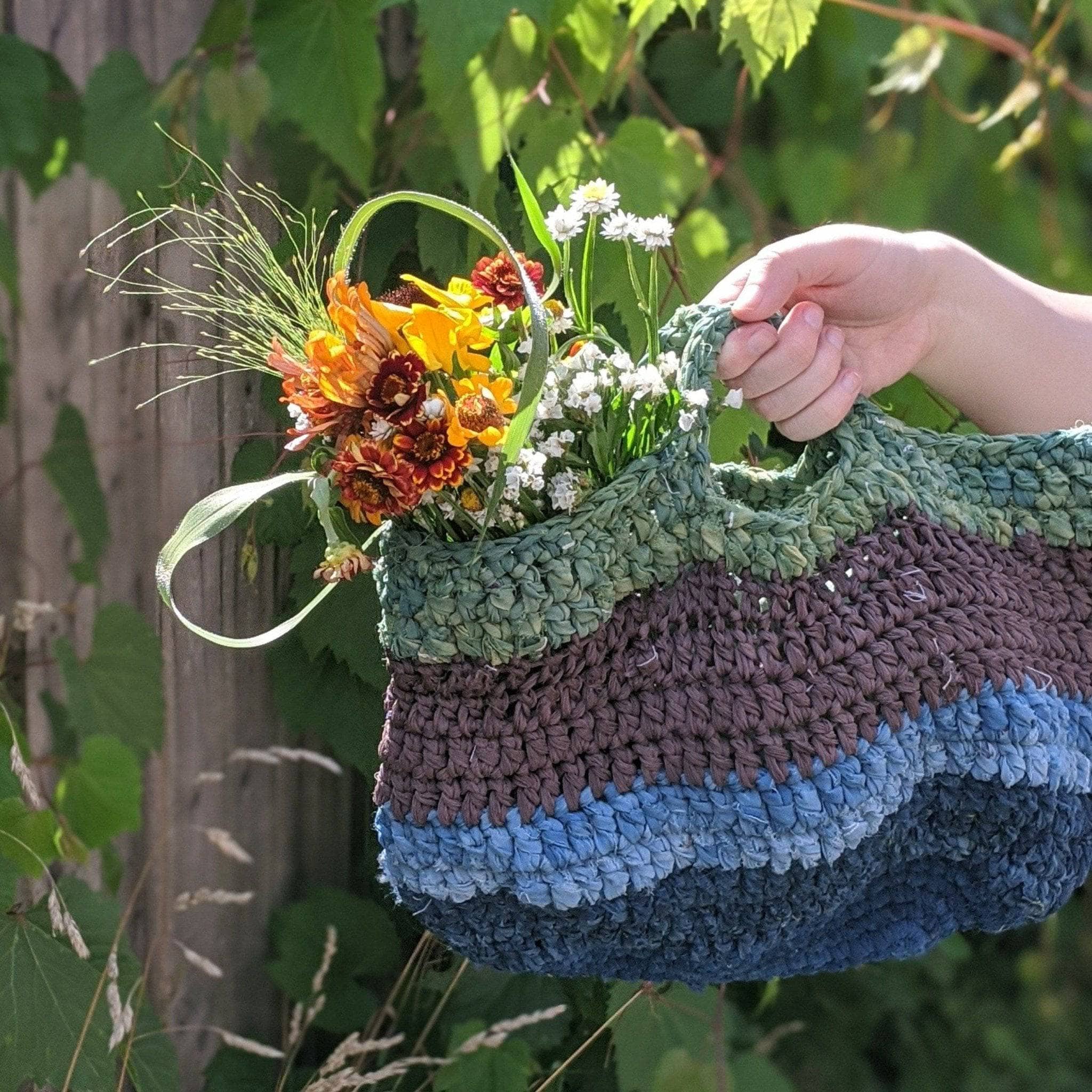
- Market Bags - The dense fabric of Tunisian crochet makes it ideal for sturdy market bags that can hold heavier items.
- Cardigans/Sweaters - An intermediate to advanced project. Requires understanding of shaping and potentially joining sections.
- Intricate Lace Panels - Using more complex Tunisian stitches and color changes allows for beautiful, lace-like panels for blankets or garments.
Troubleshooting & Resources
Even with practice, you’re bound to encounter a few challenges along the way. Uneven edges are a common problem, often caused by inconsistent tension. Try to maintain a relaxed grip on the yarn and hook, and avoid pulling too tightly on the stitches. Curling is another issue; blocking your finished project can help to flatten it out.
Dropped stitches can be frustrating, but they’re usually easy to fix. Carefully pick up the dropped stitch with your hook and work it back into the fabric. Tension control is crucial for avoiding dropped stitches and creating a neat, even fabric. If you’re struggling with tension, try practicing with a different yarn or hook size.
There are countless online resources available to help you troubleshoot problems and. YouTube is a treasure trove of tutorials, and websites like Ravelry and LoveCrafts offer extensive pattern databases and community forums. Don’t be afraid to ask for help – the crochet community is incredibly supportive.
Finally, remember that proper care is essential for preserving your finished Tunisian crochet projects. Hand washing is generally recommended, as machine washing can damage the fabric. Lay flat to dry to prevent stretching. Blocking can also help to maintain the shape and drape of your projects.
- You Get Hooked Tutorials: Explore our website for step-by-step guides and pattern support.
- Ravelry Forums: Connect with other crocheters and ask questions:
- Heart Hook Home: Tutorials and resources for Tunisian crochet:
No comments yet. Be the first to share your thoughts!