

Beyond Granny Squares: Sustainable Crochet in 2026
Crochet is evolving beyond its traditional image. A growing movement toward mindful crafting puts eco-conscious crochet at the forefront. People are increasingly aware of their hobbies' environmental impact, and yarn choices are a big part of that. Traditional yarn production, especially with acrylics and non-organic cotton, can be resource-intensive and contribute to pollution.
People have been repurposing materials for crochet for decades, but it’s gaining momentum now. Makers are actively seeking ways to reduce waste and create beautiful, handmade items without harming the planet. Innovative recycled yarns are hitting the market, and tutorials for transforming discarded materials into usable yarn are surging.
The appeal is multi-faceted: reducing your carbon footprint, giving new life to materials that would otherwise end up in landfills, and supporting a more circular economy. The unique textures and stories behind recycled yarns add a special charm to crochet projects. It feels good to create something beautiful and responsible.
Yarn Sources: From T-Shirt to Treasure
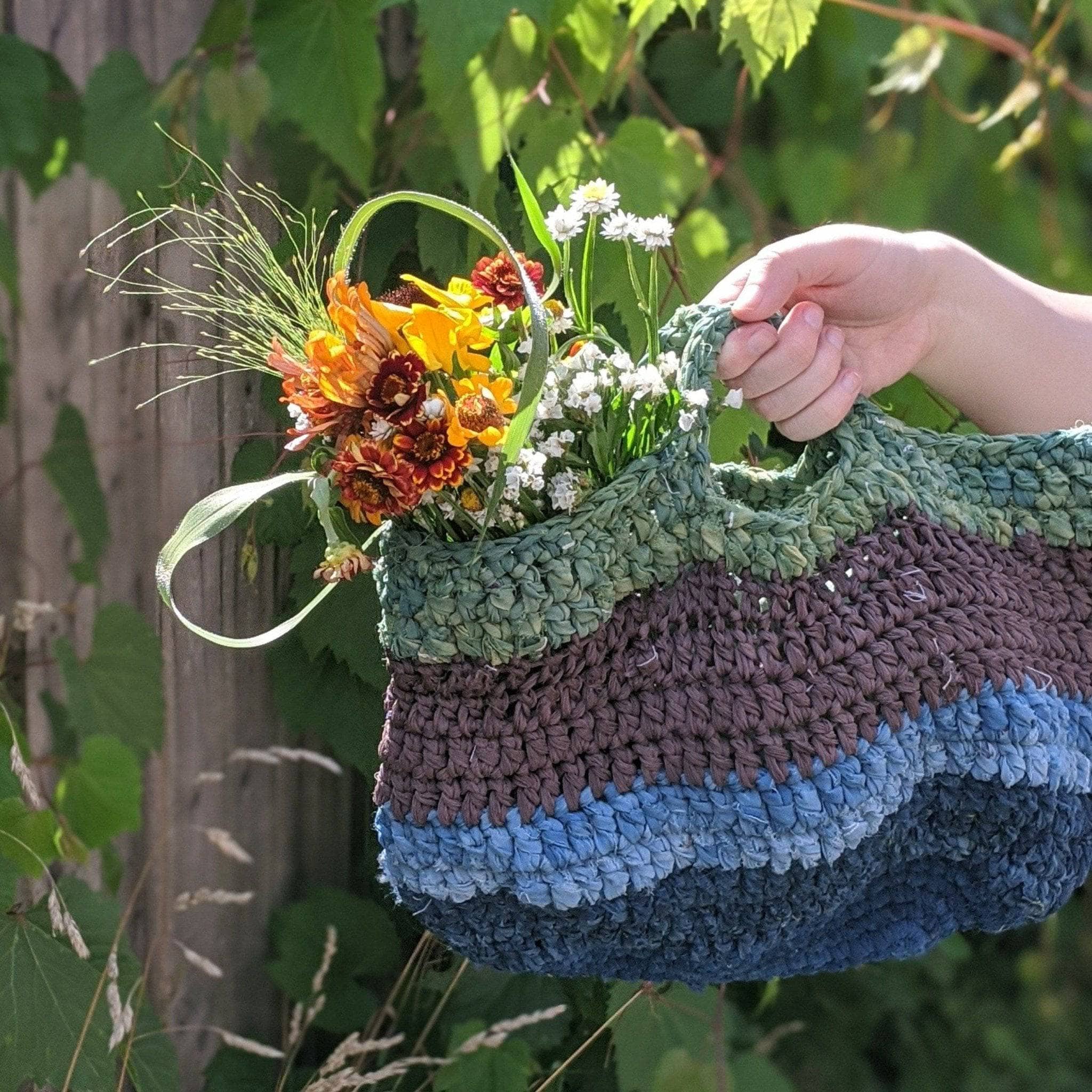
Eco-friendly crochet offers a variety of yarn sources beyond commercial production. Repurposed clothing is a great place to start. Old t-shirts, sweaters, and even jeans can be cut into strips and transformed into yarn. Jersey knit fabrics are particularly good, creating a soft, workable yarn.
Fabric scraps are another resource, though they require more work to join seamlessly. Don’t underestimate your stash of leftover fabric from sewing projects! "Plarn"—yarn made from plastic bags—is incredibly durable and diverts plastic from landfills, but its stiffness can make it challenging to work with.
Commercially recycled yarns are becoming more accessible. These yarns are made from recycled cotton, recycled polyester (often from plastic bottles), or other reclaimed fibers. These options offer convenience and sustainability, though they can be more expensive than traditional yarns. Quality and texture vary, so research before buying.
Each source has pros and cons. Repurposing clothing is cost-effective and reduces textile waste, but the yarn can be inconsistent in thickness. Plarn is cheap and durable, but can be rough on hands and hooks. Commercially recycled yarns offer consistency and quality, but often have a higher price tag.
Recycled Yarn Source Comparison for Crochet (2026)
| Source | Ease of Sourcing | Texture | Durability | Project Suitability |
|---|---|---|---|---|
| T-shirts | Easy | Soft | Medium | Garments, Accessories, Lightweight Blankets |
| Sweaters | Moderate | Medium | High | Warm Garments, Accessories, Medium-Weight Blankets |
| Plastic Bags (Plarn) | Moderate | Rough | High | Rugs, Baskets, Durable Bags, Outdoor Items |
| Commercial Recycled Yarn | Easy | Varies (Soft to Medium) | Varies (Medium to High) | All Projects - depends on yarn composition |
| Denim Scraps | Moderate | Medium | High | Rugs, Bags, Sturdy Accessories |
| Old Socks | Easy | Soft | Medium | Small Accessories, Amigurumi, Patchwork Projects |
Illustrative comparison based on the article research brief. Verify current pricing, limits, and product details in the official docs before relying on it.
Transforming Textiles: Making Your Own Yarn
Making yarn from old t-shirts is straightforward. Cut the t-shirt into one continuous strip, beginning at the bottom hem and spiraling upwards. Avoid the hem itself, as it's too thick and difficult to crochet with. Many tutorials are available online; B.Hooked Crochet on YouTube has a beginner-friendly video.
Once you have a long fabric strip, gently stretch it to curl the edges inward, creating a tube-like shape. This prevents splitting while crocheting. To join strips, create a small loop on the end of one strip and pull the end of the next strip through it. Tie a knot to secure the join. Experiment with different knotting techniques to find one that blends smoothly into your crochet fabric.
Winding yarn into balls is essential for manageable crocheting. Use a yarn winder or wind it by hand. Yarn thickness depends on the width of the strips you cut. Wider strips create bulkier yarn; narrower strips create finer yarn. Different fabrics behave differently; jersey knits are generally easier to work with than woven fabrics.
Experiment with different fabric types! Old bedsheets, curtains, and worn-out towels can be repurposed into yarn. Consider the texture and durability of the fabric when choosing projects. Pre-washing fabric accounts for potential shrinkage.
Plarn Power: Crochet with Plastic Bags
Creating yarn from plastic bags, or "plarn’, reduces plastic waste. Cut plastic bags into strips, loop them together to form a continuous strand, and wind the strand into a ball. It’s time-consuming, but rewarding knowing you"re diverting plastic from landfills.
Plarn is durable and water-resistant, ideal for projects like rugs, tote bags, and sturdy baskets. It’s not the softest material, and can be challenging to crochet with smaller hooks. A larger hook size (8mm or larger) is recommended. Using looser tension and simple stitch patterns can help alleviate stiffness.
Ethical considerations are important when working with plarn. While you’re reducing waste, you’re still working with plastic. View plarn as a way to use existing plastic, not as a justification for consuming more. Source bags from friends and family, or collect them from grocery stores.
Commercial Recycled Yarns: What's Available?
The market for commercial recycled yarns is growing. Several brands offer yarns made from recycled cotton, recycled polyester, and other reclaimed fibers. Hoooked Yarn, for example, offers recycled cotton yarns that are soft, durable, and available in various colors.
Yarns made from recycled polyester, often from plastic bottles, are another popular option. These yarns are often more affordable than recycled cotton and available in a wider range of weights and textures. Look for brands transparent about their recycling processes and certifications.
Price points for recycled yarns vary by fiber content, weight, and brand. Generally, they are comparable to or slightly more expensive than conventional yarns. Quality also varies, so read reviews and check fiber content carefully before purchasing. Specific prices change rapidly.
Look for certifications like the Global Recycled Standard (GRS), which verifies the recycled content of a product. This helps ensure you’re supporting sustainable practices.
- Hoooked Yarn: Recycled cotton yarns in various colors.
- REDO by Lion Brand: Yarns made from recycled plastic bottles.
- Paintbox Yarns: Offers recycled cotton options.
Recycled Yarn Brands
- Loopy Mango offers a range of recycled yarns, including options made from repurposed cotton t-shirts. They focus on reducing textile waste and providing unique, chunky yarn options for quick projects.
- RE/DONE, primarily known for its upcycled denim, also offers a line of recycled cotton yarn. This yarn is created from pre-consumer textile waste, diverting materials from landfills and offering a sustainable alternative for crochet.
- Ecolofil specializes in recycled yarns, particularly those made from recycled plastic bottles. Their yarns are available in a variety of colors and weights, suitable for a wide range of crochet projects and contribute to reducing plastic waste.
- King Cole Yarns includes recycled options within its range, such as their Recycled Cotton DK. This yarn utilizes reclaimed cotton fibers, offering a more sustainable choice for everyday crochet projects.
- Scheepjes offers the 'Colour Palette' yarn, created from leftover yarn ends from other Scheepjes yarn production. This minimizes waste within their manufacturing process and provides a unique, variegated yarn for crocheters.
- Himalaya Yarns features recycled denim yarn, offering a unique texture and look for crochet projects. This yarn gives new life to discarded denim, promoting textile recycling.
- Paintbox Yarns offers recycled cotton DK, made from post-industrial cotton waste. This yarn is a more sustainable option for a variety of crochet projects, and is available in a wide range of colors.
Project Ideas: Eco-Friendly Crochet Patterns
Eco-friendly crochet projects offer endless possibilities. For beginners, washcloths and dishcloths are a great way to practice with recycled t-shirt yarn. Simple scarves and cowls are good starting points. These projects don’t require much yarn and are relatively quick to complete.
Advanced crocheters can tackle blankets, garments, and home decor items. A chunky blanket made from recycled t-shirt yarn is cozy and adds a unique texture to any room. Tote bags and market bags are practical, stylish projects that reduce reliance on plastic bags.
When choosing patterns, consider your yarn's texture. Recycled yarn often has a rustic or textured appearance, so patterns that embrace this aesthetic work best. Look for patterns with simple stitch patterns and avoid anything too delicate or intricate.
undefined available online. Ravelry is a fantastic resource for finding crochet patterns, and you can filter your search to include patterns specifically designed for recycled yarn. Websites like LoveCrafts and Yarnspirations also offer a selection of free and paid patterns.
Caring for Your Sustainable Creations
Proper care is essential for maintaining the beauty and longevity of your eco-friendly crochet projects. The care instructions will vary depending on the type of yarn you used. T-shirt yarn items generally require gentle hand washing in cool water and should be laid flat to dry. Avoid using harsh detergents or bleach.
Plarn items are more durable and can often be washed on a gentle cycle in the washing machine. However, it’s best to avoid high heat, as this can cause the plastic to melt or deform. Recycled cotton yarns can typically be machine washed and dried on a low setting. Always check the yarn label for specific care instructions.
To prevent stretching or distortion, avoid hanging heavy crochet items to dry. Instead, lay them flat on a clean towel. Store your crochet items in a cool, dry place away from direct sunlight. With proper care, your sustainable creations will last for years to come.
No comments yet. Be the first to share your thoughts!