

Pick the right yarn and hook
Choosing breathable materials is the foundation of a comfortable summer dress. The wrong yarn creates a stiff, heavy garment that traps heat, while the right combination ensures the fabric drapes softly against your skin. Focus on natural fibers that allow airflow and pair them with a hook size that creates an open, lacy stitch structure.
Select a hook size that matches the yarn weight but errs on the larger side. A larger hook creates looser stitches, which is essential for ventilation in warm weather. For example, use a 4.5mm to 5.5mm hook for lightweight cotton or linen blends. This prevents the fabric from becoming dense and scratchy, keeping the final dress airy and cool.
Take accurate body measurements
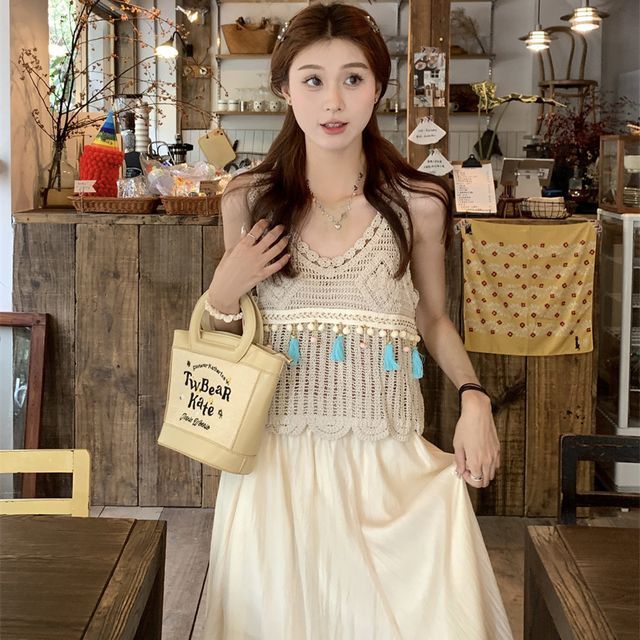
A crochet dress fits like a second skin because the fabric has little stretch compared to woven garments. If your measurements are off by even an inch, the result can be a dress that gapes at the bust or pulls uncomfortably tight across the hips. Start by gathering a soft measuring tape and wearing the undergarments you plan to wear with the finished dress.
Measure your bust, waist, and hips while standing naturally. Keep the tape level and snug, but not tight enough to compress the skin. For the dress length, measure from the top of your shoulder down to your desired hemline. Record these numbers on paper before you cast on a single stitch.
Use these exact numbers to calculate your gauge swatch and pattern sizing. Crochet is unforgiving; you cannot easily let out a seam like you can with sewing. Taking time to measure correctly now prevents frustration later.
Make a fitted bodice swatch
Before committing to the full garment, test your Tunisian stitch pattern on a small swatch. This step reveals how much the fabric stretches and shrinks after washing, ensuring your summer dress fits correctly. Tunisian crochet creates a dense, slightly heavy fabric that behaves differently than standard crochet. A swatch acts as a blueprint for the bodice, allowing you to adjust hook size or tension without wasting yarn.
Cast on 15-20 stitches using your chosen hook and yarn. Work the Tunisian Simple Stitch (TSS) or your selected pattern for about 8-10 inches. Keep your tension consistent; if the fabric feels too tight, switch to a larger hook. If it’s too loose, try a smaller one. The goal is to mimic the density of the final bodice.
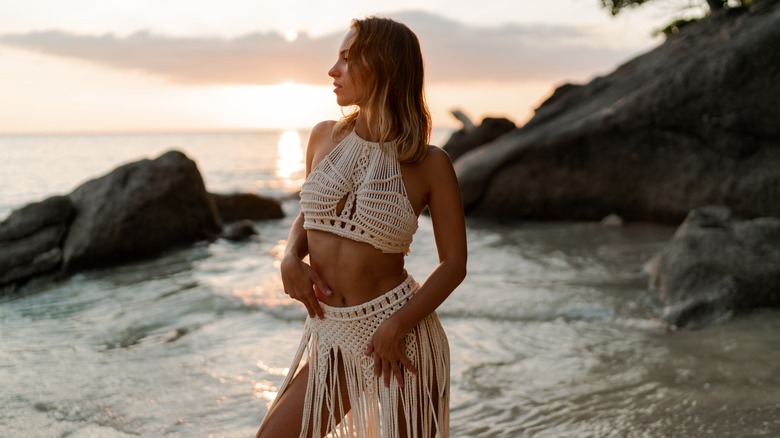
Wash and block the swatch exactly as you plan to treat the finished dress. Lay it flat and measure the width and height. Compare these measurements to your pattern’s gauge. If your swatch is smaller than the pattern gauge, your stitches are too tight; if larger, they are too loose. Adjust your hook size accordingly and re-swatch if necessary.
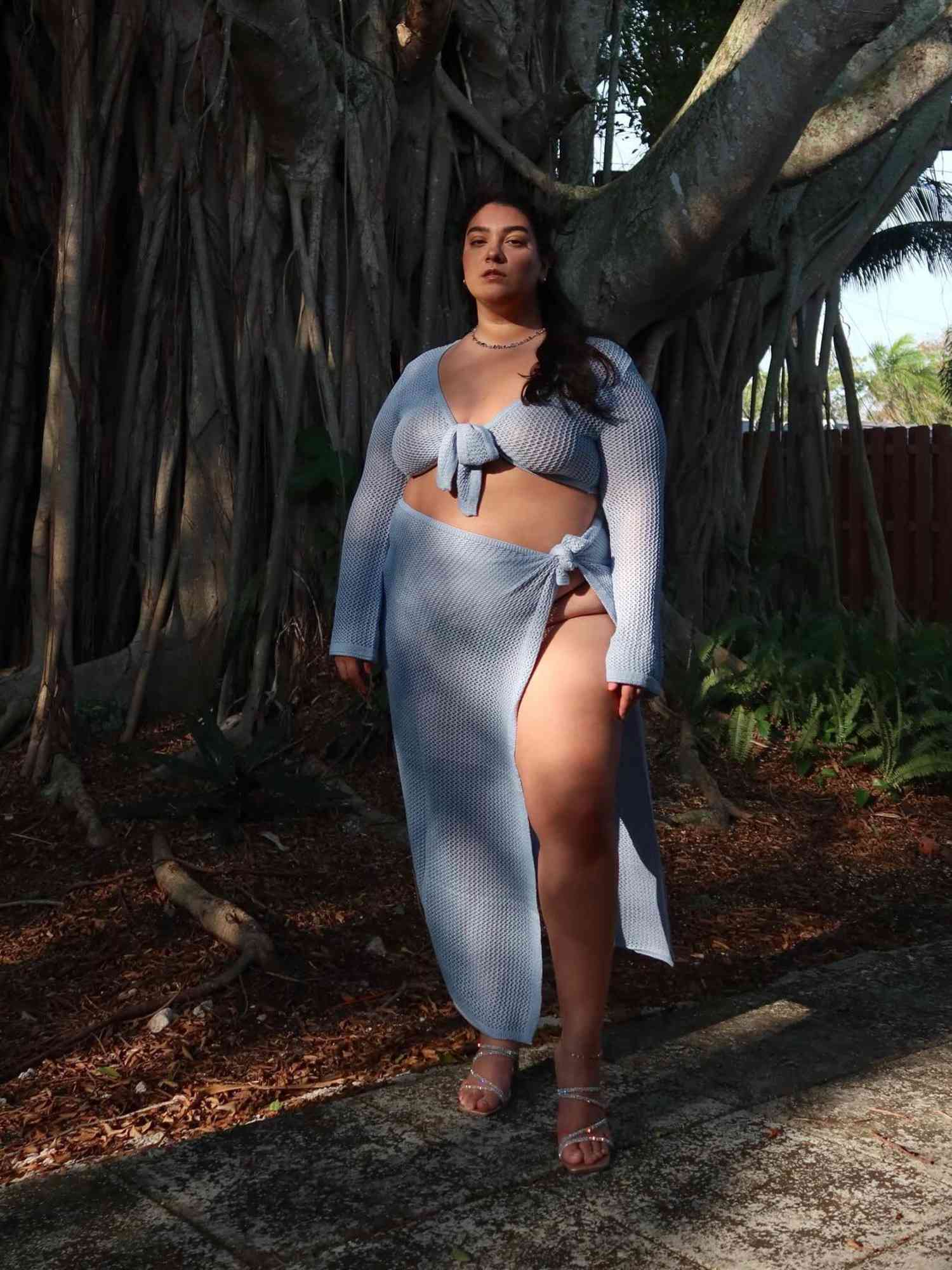
Gently stretch the swatch horizontally and vertically to check for elasticity. A fitted bodice needs enough give to move with your body but enough recovery to hold its shape. If the fabric sags or loses its shape after stretching, consider adding a lining or adjusting your stitch pattern for more structure. This test ensures the dress will remain flattering throughout the day.
Crochet the bodice in rounds
Start by joining your foundation chain into a ring with a slip stitch, being careful not to twist the yarn. Work a round of single crochet stitches evenly around the ring to create a clean, flat base that sits comfortably against your torso. This foundation sets the stage for the shaping that follows.
Shape the bust with increase rounds
To accommodate the bust, you need to add width gradually. Work in continuous rounds, adding two single crochet stitches into the same stitch at four evenly spaced points around the circumference. This creates a gentle flare without visible seams. Check the fit against your body frequently; the goal is a snug but breathable fit that doesn't pull across the chest.
Taper the waist
Once the bust measurement is complete, stop increasing. Work even rounds of single crochet around the waistline to establish the natural curve of the dress. If your pattern calls for a more defined waist, you can alternate front post and back post stitches for a subtle ribbed texture that holds its shape better than standard single crochet.
Transition to the skirt
The bodice ends where the skirt begins. To ensure a smooth transition, work one final round of single crochet without any increases or decreases. This creates a stable band that anchors the flowing skirt fabric. From here, you will begin the increase rounds for the skirt's A-line shape.
Slip stitch the top of your foundation chain to form a flat ring. Ensure the yarn isn't twisted before closing the circle.
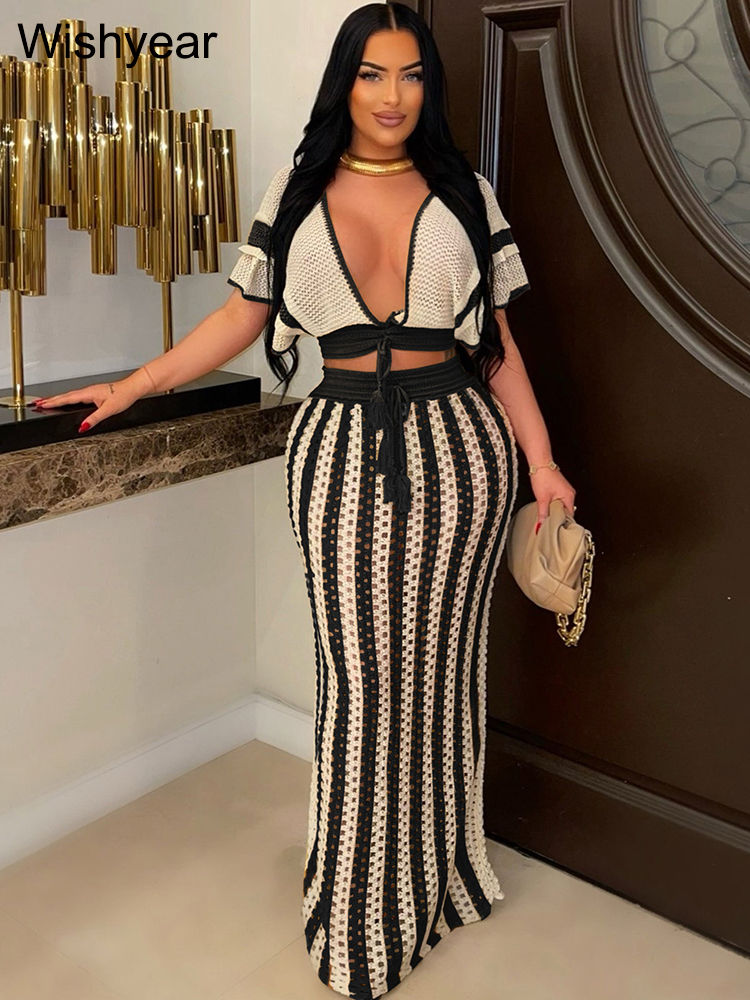
Crochet one single stitch into each chain around the ring. This creates a solid, non-rolling base for the bodice.
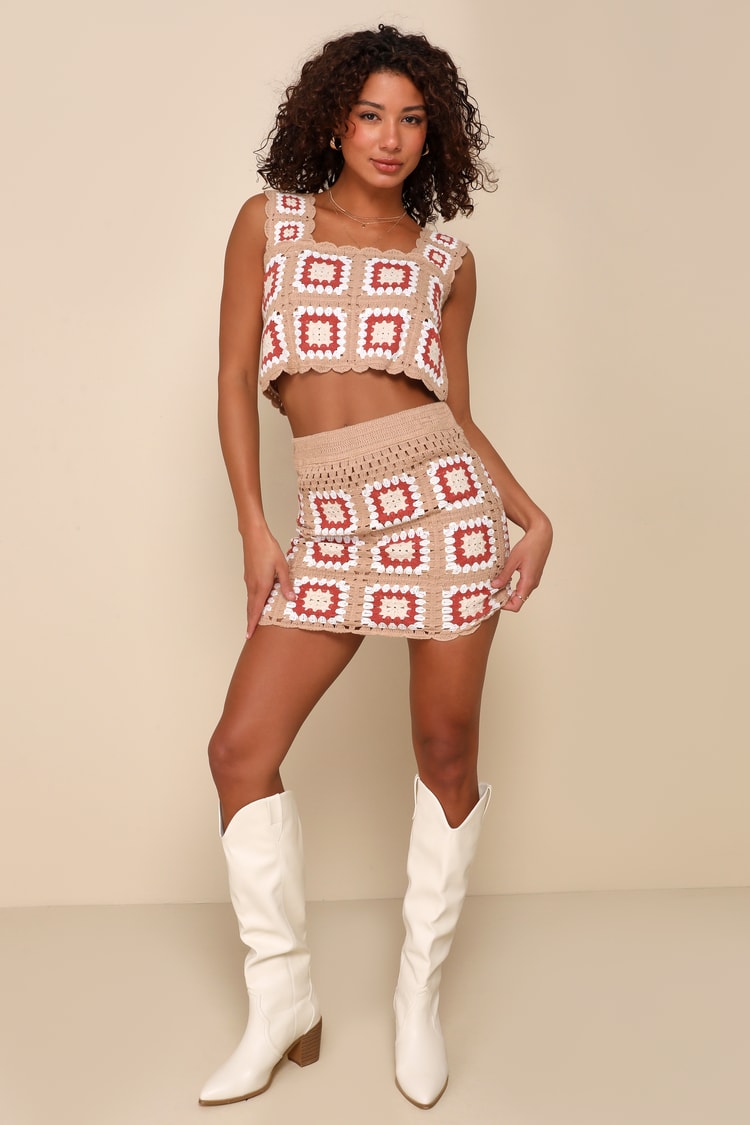
Add two stitches into the same stitch at four marked points. Repeat this increase pattern every round until the bust fits comfortably.
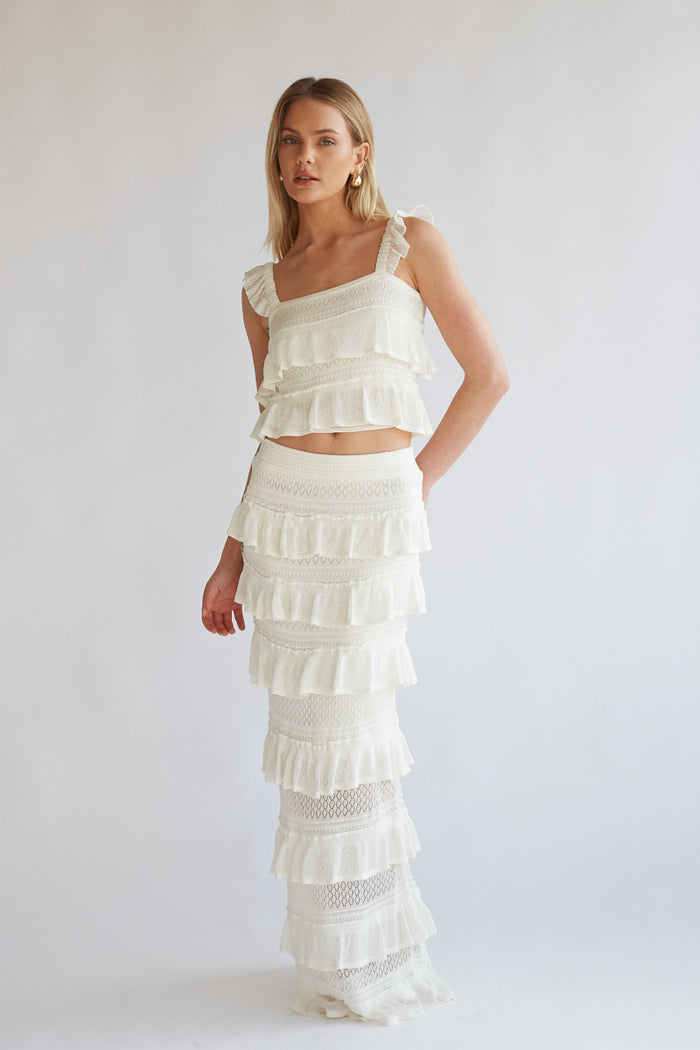
Stop increasing and work even rounds. This defines the waistline and prepares the structure for the skirt's flare.
Work the skirt in Tunisian mesh
The Tunisian mesh stitch creates an open, breathable fabric that drapes beautifully. Unlike the fitted bodice, this section relies on vertical lines and open spaces to give the summer dress its signature flow. The stitch structure acts like a lightweight lattice, allowing air to circulate while maintaining enough density to keep the garment opaque.
1. Set up the foundation row
Begin by working a Tunisian Simple Stitch (TSS) across the entire width of your waistband. This establishes the base row for the mesh pattern. Ensure your tension is consistent; too tight, and the skirt will feel stiff, too loose, and it will lose its shape. Use a longer hook to accommodate the full width of the skirt without struggling with stitch count.
2. Establish the mesh pattern
For the Tunisian mesh, you will alternate between Tunisian Simple Stitch (TSS) and Tunisian Chain 1 (Tch1). Work TSS into the first vertical bar, then Tch1 to create a space. Repeat this sequence across the row. This creates the characteristic holes of the mesh. Keep the pattern consistent to ensure the fabric remains even and doesn't twist as it grows downward.
3. Turn and purl the return pass
When you reach the end of the forward pass, turn your work. On the return pass, work a Tunisian Purl Stitch (TPS) into each vertical bar you created in the previous row. This is crucial for the Tunisian mesh structure. The TPS creates a clean, flat edge on the back of the fabric, preventing the holes from stretching out of shape. Do not skip this step; it gives the mesh its stability.
4. Repeat and adjust length
Continue alternating the forward mesh row (TSS, Tch1) and the return purl row (TPS) until the skirt reaches your desired length. For a lightweight summer dress, a midi or maxi length works best to showcase the drape. Check the fit periodically by holding the piece against your body. The open weave will stretch slightly with wear, so aim for a length that feels comfortable when standing.
5. Finish the hem
Once the skirt is the correct length, bind off loosely using Tunisian Simple Stitch bind-off or a standard crochet chain bind-off. Weave in all ends securely. If you plan to add a lining later, ensure the hem is finished neatly to prevent snagging. The open nature of the mesh means loose ends can catch easily, so double-back any tails for security.
Finish edges and add lining
A crochet dress needs structure to hold its shape and a lining to manage the openwork. Without these final steps, the garment can stretch out of shape or become too sheer for public wear. This section covers hemming the dress for a clean finish and sewing in a slip for modesty and comfort.
Hem the dress
Finish the neckline, armholes, and bottom hem to prevent unraveling. Use a stretch stitch or a narrow zigzag on your sewing machine to accommodate the fabric's natural give. If you prefer a hand-finished look, a blind hem stitch works well for the bottom edge. Press the hems lightly with an iron to set the folds.
Cut your lining fabric (nylon, rayon, or cotton) to match the dress body. Include a small seam allowance. For a lightweight summer dress, a slip-style lining that hangs from the bust or underarms is often sufficient and keeps the garment airy.
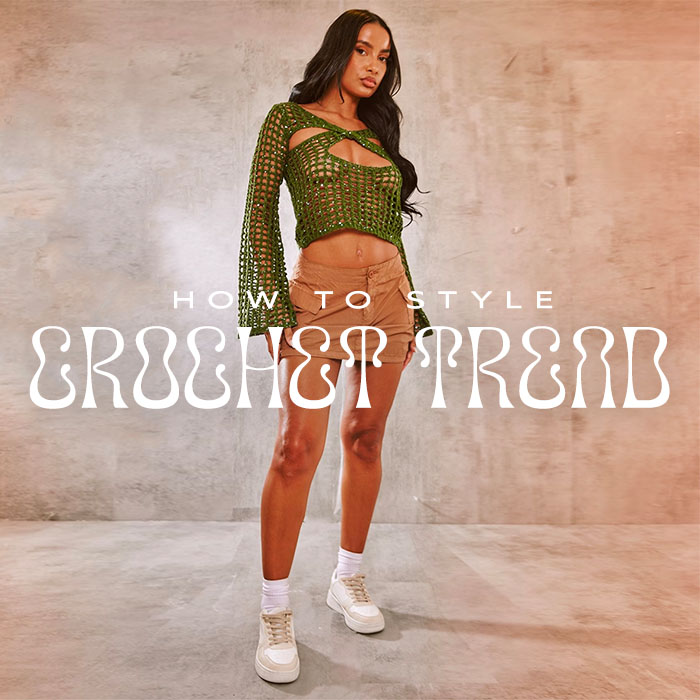
Pin the lining to the dress at the shoulder seams and side seams. Sew these points together using a narrow zigzag or stretch stitch. Leave the bottom edge of the lining free so it can hang independently, preventing the lining from pulling up when you walk.

Fold the raw edges of the dress hem and the lining hem inward twice to create a clean finish. Stitch them in place. Ensure the lining hem is slightly shorter than the dress hem (about 1-2 inches shorter) so it doesn't peek out when you move.
Final checks
Before declaring the dress complete, check for any loose yarn tails and weave them in. Try the dress on to ensure the lining sits comfortably and doesn't restrict movement. If the dress feels too heavy, consider using a lighter weight lining fabric or removing the lining from the skirt portion entirely.
-
Hem neckline and armholes
-
Sew lining to bodice at seams
-
Hem dress and lining separately
-
Check lining length relative to dress
Gather your crochet supplies
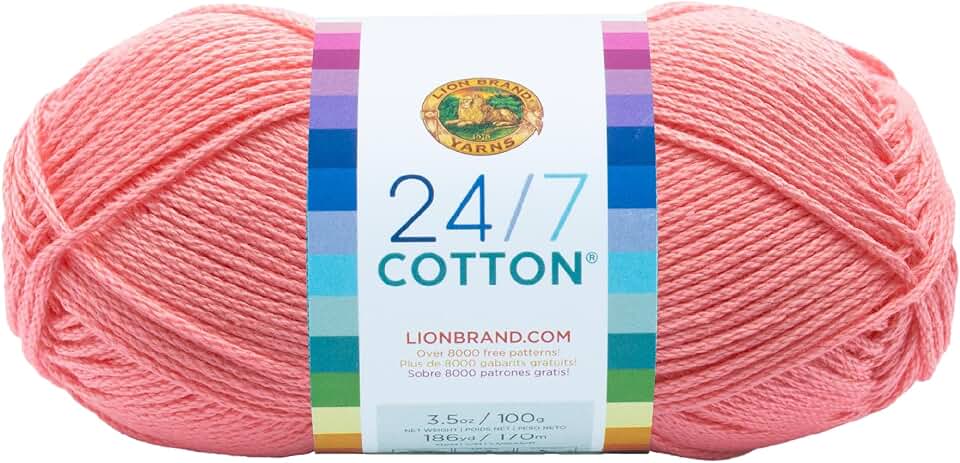
You can replicate this lightweight summer dress pattern with just a few specific items. The right yarn and hook size make the difference between a stiff, scratchy garment and something that drapes beautifully against your skin.
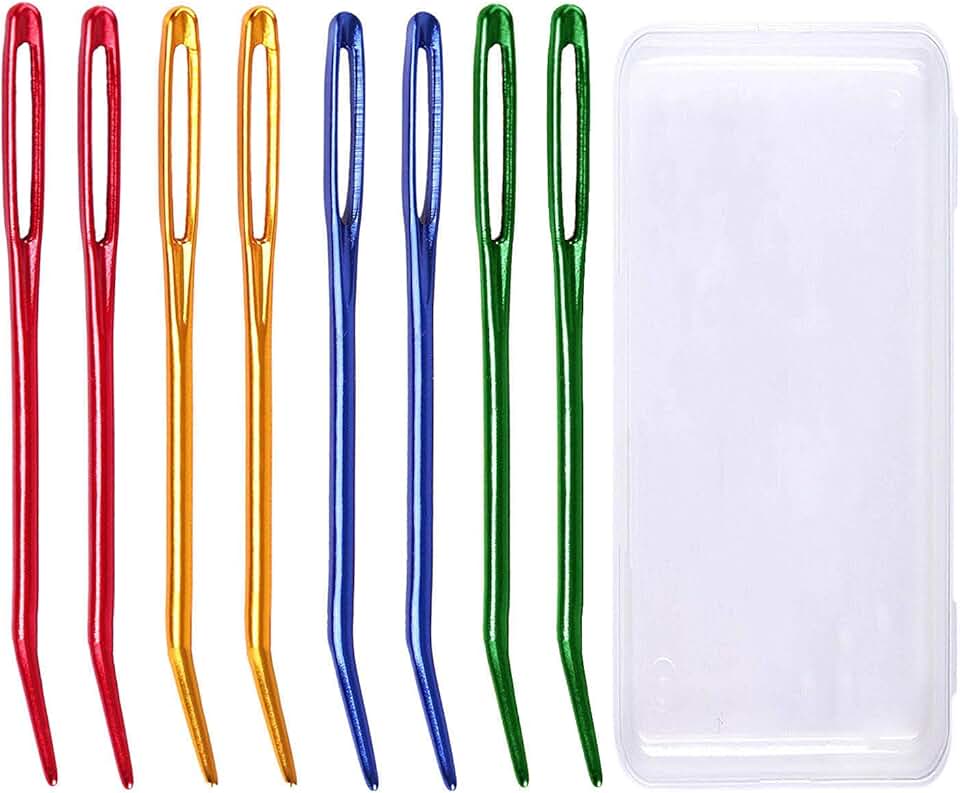
Start with a lightweight cotton or bamboo blend yarn. These fibers breathe well in summer heat and hold their shape after washing. You will need approximately 600–800 yards depending on your desired length and fit. Pair this with a Tunisian crochet hook that matches the yarn weight, typically a 4.0 mm or 5.0 mm hook for this style. A tapestry needle for weaving in ends and a measuring tape for tracking your progress complete the core toolkit.
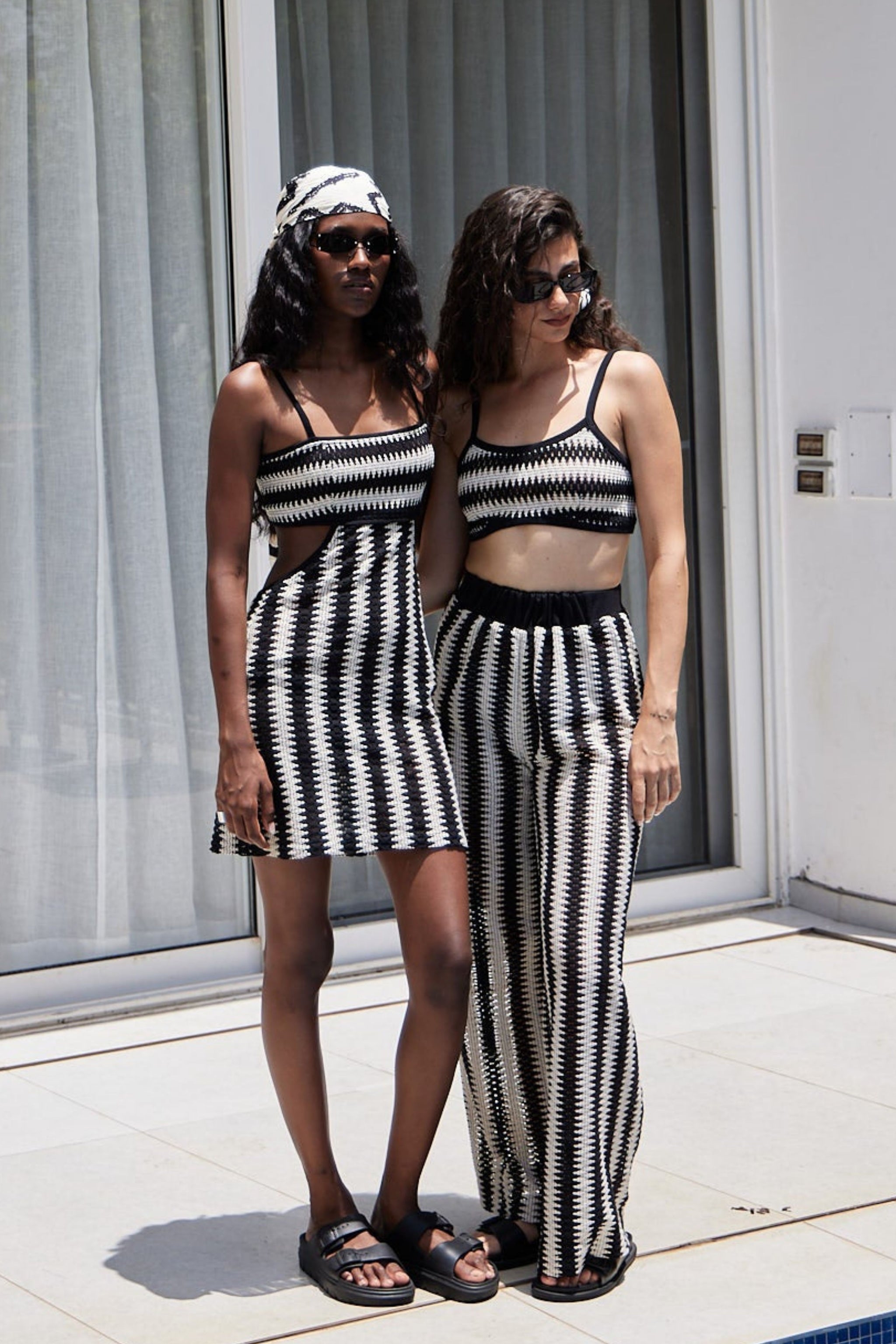
The materials you choose set the foundation for the entire project. Using the wrong hook size can result in a fabric that is either too loose to hold its shape or too tight to wear comfortably. Stick to the recommended hook size for the best drape.

As an Amazon Associate, we may earn from qualifying purchases.
Watch a dress construction demo
Tunisian crochet transitions can be tricky to visualize from text alone. Watching a full dress construction helps you see how the fabric moves and where the seams align.
This video walks through a complete dress build, showing the stitch transitions and shaping techniques in real time.
No comments yet. Be the first to share your thoughts!