

Tunisian crochet essentials
Tunisian crochet uses a longer hook to hold multiple loops, creating a dense, woven fabric. This guide covers the essential grip, the core Tunisian Simple Stitch, and how to build a blanket and a dress.
Grip and yarn tension basics
Tunisian crochet requires a specific hand position to manage the weight of the long hook. Holding the hook like a kitchen knife or keeping your wrist rigid causes strain. The goal is to balance the hook so you can glide it through stitches without lifting your forearm.
Choose your grip
Most crocheters use either the pencil grip or the knife grip. The pencil grip holds the hook near the tip for precision. The knife grip holds it further back for larger hooks. Try both on a scrap. If your wrist feels tired after ten rows, switch grips. There is no wrong way, only the one that lets you work comfortably.
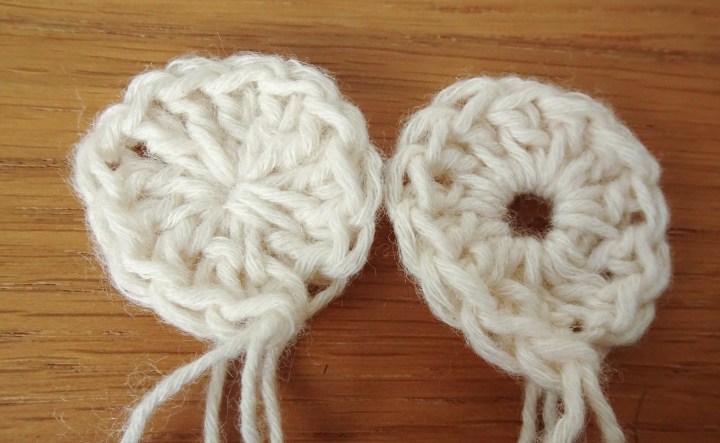
Rest the hook in the crook between your thumb and index finger. If using the pencil grip, hold it like you are writing. If using the knife grip, hold it like you are holding a dinner knife. Keep your wrist straight and relaxed. The hook should feel light in your hand.
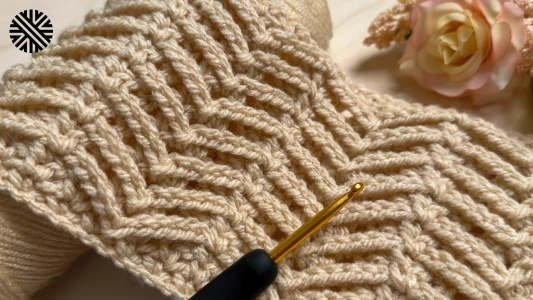
Wrap the working yarn around your non-dominant index finger. This creates friction that controls how much yarn feeds into the hook. Keep the wrap loose enough to slide but tight enough to prevent slack. Adjust the tension by moving the yarn over your middle finger if it feels too tight or too loose.
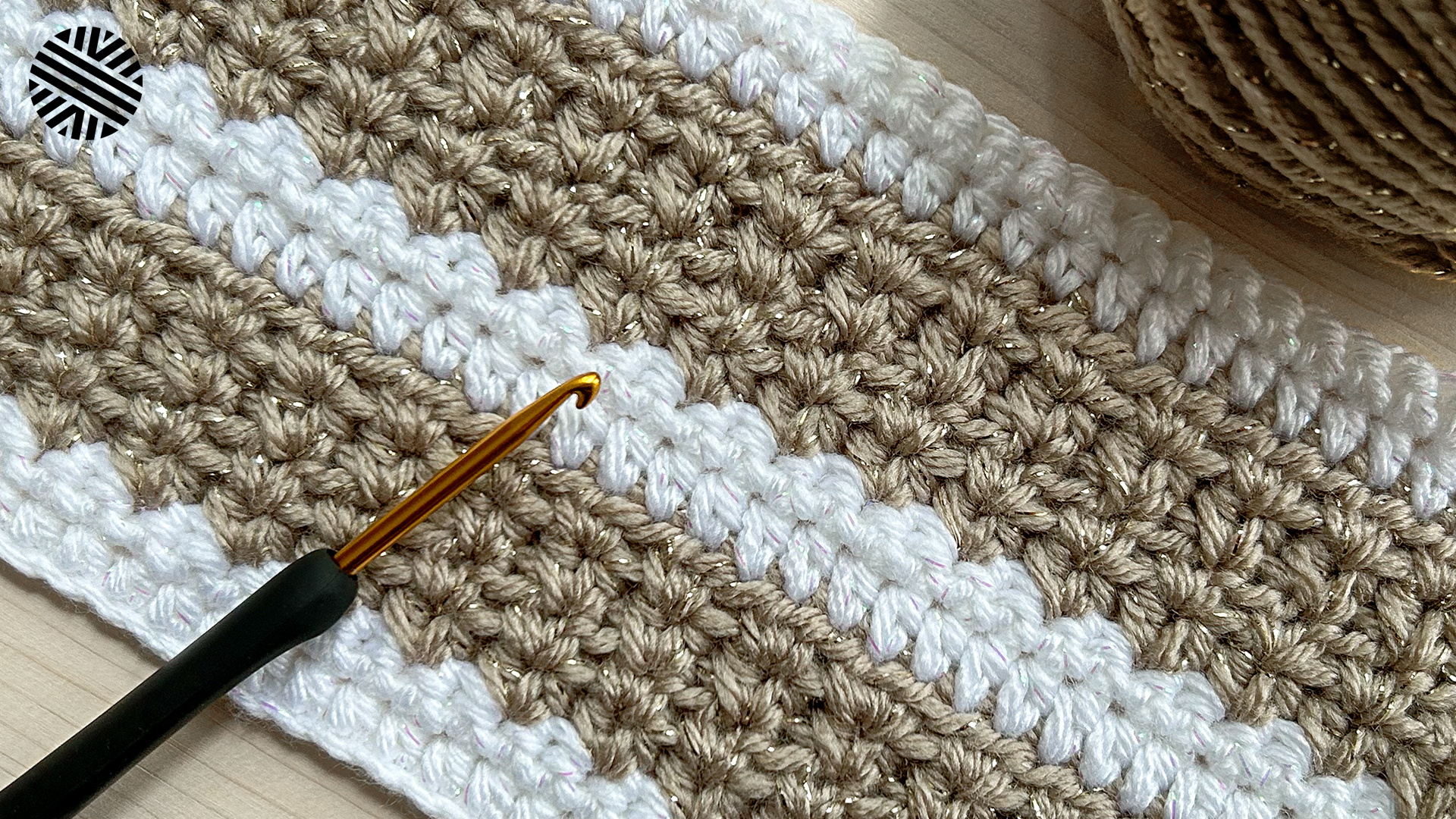
Work a few forward pass stitches. The loops should sit evenly on the hook without crowding or hanging too far apart. If the stitches look tight, loosen your yarn wrap. If they look loose, tighten the wrap. Consistent tension is the key to neat edges on blankets and dresses.
Why tension matters in Tunisian crochet
Tunisian crochet builds fabric row by row, with all loops held on the hook during the forward pass. If your tension is uneven, the fabric will pucker or wave. This is especially noticeable in garments like dresses, where drape and fit matter. Practice holding the hook and yarn until your hands find a rhythm. It takes about twenty minutes to feel natural.
Common grip mistakes
- Holding the hook too tightly: This causes hand cramps and makes it hard to insert the hook into stitches. Relax your fingers.
- Wrapping the yarn too tightly: This restricts the yarn flow, making the forward pass sluggish. Let the yarn glide.
- Lifting your wrist: Keep your wrist flat on the table or in the air, not bent upward. This prevents strain.
If you feel any pain in your wrist or forearm, stop and adjust your grip. Comfort is more important than perfection. As you practice, your hands will learn the right amount of pressure to use.
Master the Tunisian Simple Stitch
The Tunisian simple stitch (TSS) is the backbone of Tunisian crochet. Unlike standard crochet, where you complete a stitch in one or two steps, TSS splits the work into two distinct movements: picking up loops and then closing them. This two-pass rhythm creates the dense, woven fabric that makes Tunisian blankets and dresses so sturdy and warm.
Think of your hook as a shuttle. In the forward pass, you are collecting yarn into loops on the shaft. In the return pass, you are locking those loops into place. Mastering this rhythm is the only way to build the foundation for more complex patterns.
The Forward Pass
The forward pass is where you build the row. Start with a foundation chain. Insert your hook from right to left under the second chain from the hook. Yarn over and pull up a loop. Leave this loop on your hook and move to the next chain. Repeat this process across the entire row.
You should end with one loop on your hook for every chain you made, plus the initial loop already on the hook. Do not pull these loops tight; keep them loose enough to slide easily. This collection of loops is your "stitch" until the return pass completes it.
The Return Pass
The return pass secures the stitches. Yarn over and pull through the first loop on your hook. This removes one loop, leaving the same number as when you started. Yarn over and pull through the next two loops. Repeat this sequence across the entire row.
When you have one loop remaining on your hook, your row is complete. This final loop is your starting point for the next forward pass. The fabric will begin to take shape, showing the characteristic vertical bars of Tunisian crochet.
For the forward pass, insert your hook from right to left under the vertical bar of the stitch below. Yarn over and pull up a new loop, leaving it on the hook. Repeat across the row.
During the return pass, yarn over and pull through the first loop on the hook. Then, yarn over and pull through the next two loops. Repeat this sequence until only one loop remains on the hook.
Build a Tunisian Crochet Blanket
Tunisian crochet creates a dense, reversible fabric that stands up to heavy use. Because the stitch pulls in width, your gauge management determines whether the blanket drapes softly or feels stiff. Start with a gauge swatch that matches your intended yarn weight and hook size.
1. Select Yarn and Hook
Worsted weight wool or a wool blend works best for structure. Use a Tunisian crochet hook with a deep throat to hold the looped stitches without crowding. A 6.0 mm hook is a reliable starting point for worsted yarn.
Tunisian crochet begins with a foundation chain. Use a standard crochet hook to chain the desired width of your blanket. This chain will be the base for your first Tunisian Simple Stitch row.
Insert your Tunisian hook from right to left under the vertical bar of each chain. Pull up a loop and leave it on the hook. Continue across the entire row. You will accumulate many loops on the shaft of the hook.
Yarn over and pull through one loop on the hook. Repeat this until only one loop remains. This secures the stitches and prepares the work for the next forward pass.
2. Manage Gauge and Texture
The Tunisian simple stitch creates a fabric that is narrower than standard crochet. If your swatch measures too small, switch to a larger hook. If it is too loose, try a smaller hook or a tighter yarn.
For texture, alternate rows of Tunisian Simple Stitch with Tunisian Knit Stitch (TKS). The TKS adds a subtle ribbed effect that enhances the blanket's visual depth without complicating the pattern.
-
Worsted weight yarn (2 skeins minimum)
-
Tunisian crochet hook (6.0 mm or adjusted for gauge)
-
Stitch markers for corners
-
Tapestry needle for weaving ends
Construct a Tunisian Crochet Dress
Shifting from blankets to wearable garments requires a different mindset. Tunisian crochet creates a dense, structured fabric that holds its shape well, making it ideal for dresses, but the lack of stretch means fit is determined entirely by your gauge and shaping strategy. Unlike garments made with traditional crochet or knitting, Tunisian pieces are less forgiving; you cannot easily block out excess width, so precise tension is non-negotiable.
Mastering Gauge and Fabric Weight
The first step in constructing a Tunisian crochet dress is establishing an accurate gauge. Because Tunisian fabric is thicker and less elastic than standard crochet, a swatch that measures correctly in width might feel too stiff for a garment that needs to drape. Wash and block your swatch exactly as you plan to treat the final dress. This process reveals how much the fabric will shrink or relax, allowing you to adjust your hook size before cutting into the main yarn.
Shaping Without Seams
Tunisian crochet is often worked in rows back and forth, which naturally lends itself to seamless construction. For a simple dress, you can work the body as one continuous piece from the neck down to the hem, increasing or decreasing at the edges to create armholes and waist shaping. This method eliminates side seams, resulting in a smoother silhouette and less finishing work. If you prefer a more tailored look, you can work the front and back panels separately and join them with a Tunisian seam or mattress stitch for a nearly invisible join.
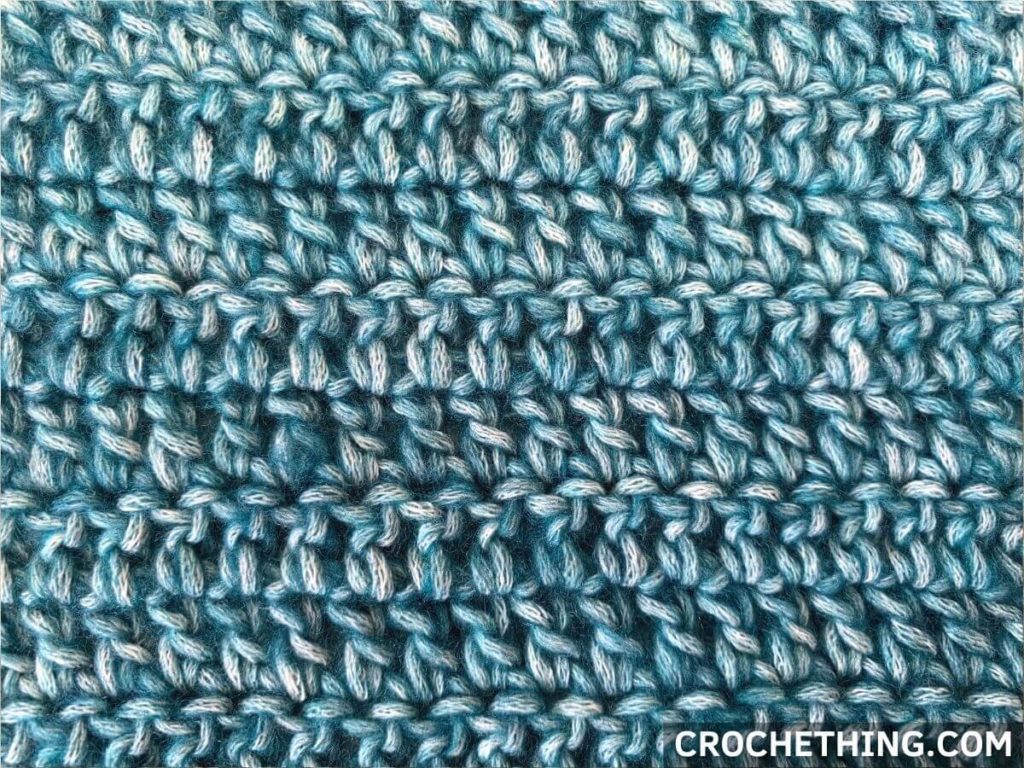
Finishing and Structure
The final stage involves finishing touches that define the garment’s shape. Bind off loosely to maintain the fabric’s elasticity at the neckline and armholes. For a polished look, add a simple border around the edges. This border stabilizes the openings, preventing them from stretching out over time. If you are adding sleeves, consider working them in the round or attaching set-in sleeves using a Tunisian seam for a professional finish.
Fix common Tunisian mistakes
Tunisian crochet builds dense, woven fabric that demands consistent tension. When edges curl or stitches twist, the problem usually sits in the return pass or hook grip. These fixes straighten your blanket and dress projects.
Twisted stitches
Twisted stitches happen when the hook grabs the back loop instead of the front, or when the fabric rotates during the forward pass. This creates a visible ridge that disrupts the smooth drape of a dress. Check your work on the return pass to ensure every loop is upright before you pull through.
Uneven edges
Tunisian edges often pucker or flare because the first and last stitches are pulled too tight or too loose. For a blanket, this distortion becomes obvious after washing. Insert the hook into the very last stitch of the row, then pull up a loop to anchor the edge. Keep your tension consistent with the body of the work.
Slipped stitches
Slipped stitches occur when the hook glides over the stitch without catching the yarn. This leaves gaps in your fabric, especially in the dense rows of a Tunisian blanket. Ensure the hook tip penetrates the full stitch bar. If you feel resistance, lift the hook and try again rather than forcing the yarn through.
Correcting tension
Tight tension makes the fabric stiff and hard to stretch. Loose tension creates holes and a floppy structure. Hold the hook like a pencil for precision or like a knife for speed, but stay consistent. If your rows look like a ladder, tighten your grip slightly. If they look like a brick wall, relax your fingers.
No comments yet. Be the first to share your thoughts!