

Why sustainable crochet matters
For many of us, crochet is a relaxing and creative outlet. But the impact of our hobbies extends beyond the finished product. Traditional yarn production, particularly with acrylics and conventionally grown cotton, carries a significant environmental cost. Acrylic, a synthetic fiber, sheds microplastics with every wash – these tiny particles end up in our waterways and food chain. Conventional cotton, while natural, is incredibly thirsty and often relies on heavy pesticide use.
The fast fashion cycle exacerbates these problems. Cheap, mass-produced yarn encourages disposable crochet projects, contributing to textile waste. We’re seeing a growing awareness of these issues, and thankfully, a shift towards more responsible practices is gaining momentum. Sustainable crochet isn’t about abandoning the craft; it's about making informed choices to minimize our footprint.
It’s easy to feel overwhelmed by the scale of environmental concerns, but even small changes in our crafting habits can make a difference. Choosing eco-friendly yarn alternatives and adopting zero-waste techniques are powerful steps we can take. This isn’t simply a trend; it’s a necessary evolution for a craft we love, and I believe it’s one that will continue to grow in importance.
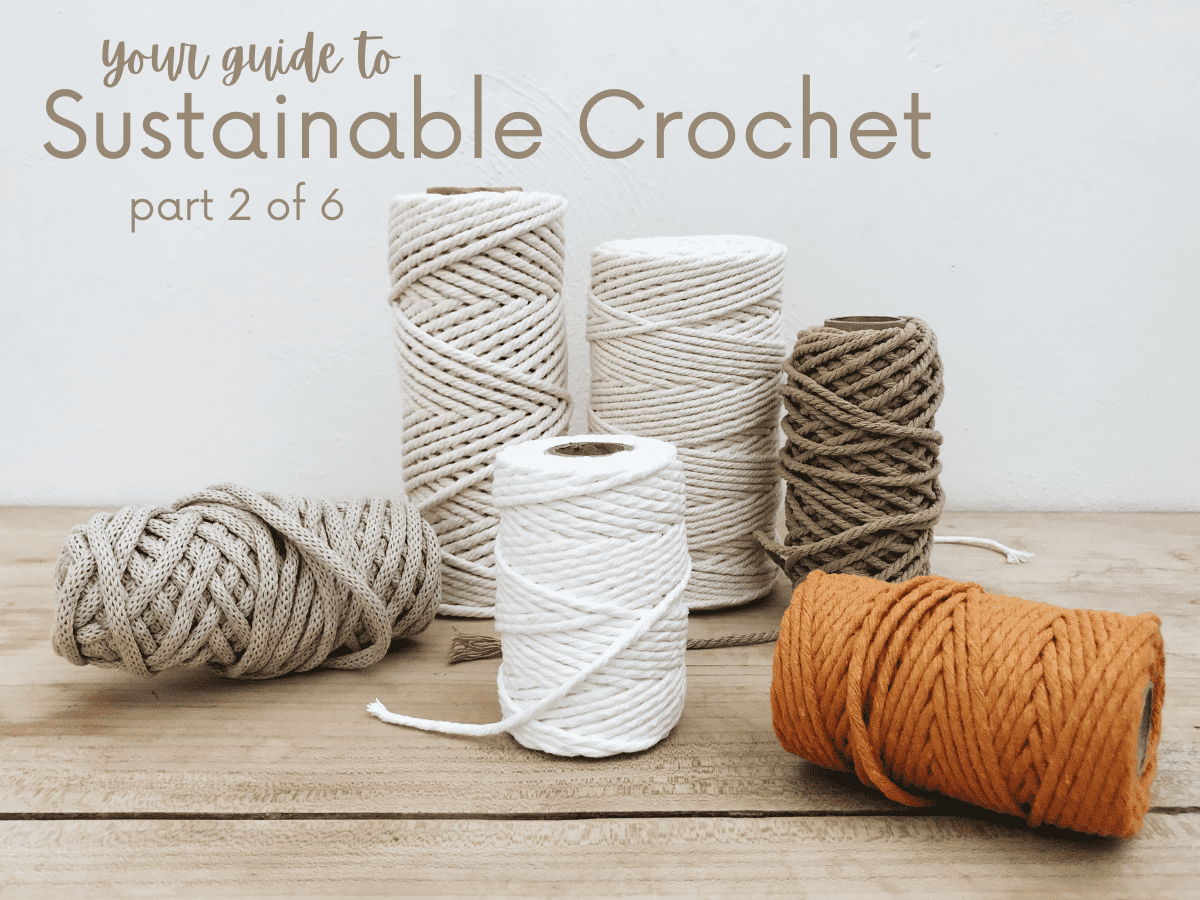
Plant-based fibers: Linen and hemp
Linen and hemp are standouts when it comes to sustainable plant-based fibers. Both require significantly less water than cotton – hemp, in particular, is incredibly drought-tolerant. They also need minimal pesticides, making them a much kinder choice for the environment. Linen, made from flax, has a beautiful drape and becomes softer with each wash. Hemp is known for its strength and durability; it’s often blended with other fibers to add structure.
Beyond linen and hemp, several other plant-based options are worth exploring. Bamboo is often touted as sustainable, but the processing to turn bamboo into yarn can be chemically intensive, so it’s important to research the manufacturer. Nettle, a surprisingly soft fiber, is gaining popularity, and ramie, similar to linen, offers excellent strength and luster. You can find linen in yarn weights ranging from lace to bulky, making it suitable for everything from delicate shawls to sturdy home décor projects.
Hemp is generally available in lighter weights, ideal for summer tops, accessories, and textured blankets. When choosing plant-based yarns, consider the entire lifecycle of the fiber – from cultivation to processing. Look for certifications like Oeko-Tex Standard 100, which ensures the yarn is free from harmful substances. While these options might sometimes come with a higher price tag, the environmental benefits are substantial.
Recycled and reclaimed yarn
The market for recycled yarns is expanding rapidly, and the options are becoming increasingly diverse. Recycled cotton yarns, made from both post-industrial scraps (leftover fabric from factories) and post-consumer waste (old clothing), are a fantastic way to give materials a new life. These yarns often have a slightly rustic texture, which adds character to projects. Recycled polyester, created from plastic bottles, is another common choice, offering a lightweight and durable alternative.
More innovative sources are emerging too. Some companies are creating yarns from textile waste – blending fibers from discarded clothing and fabric remnants. These yarns can be a bit more unpredictable in terms of texture and color consistency, but they represent a truly circular approach to textile production. However, quality can vary significantly. Some recycled yarns can be a little rough or prone to pilling, so it's essential to swatch before starting a large project.
Several brands are leading the way in recycled yarn production. Darn Good Yarn is well-known for its vibrant recycled sari silk yarn and commitment to fair trade practices. Recover Brands creates yarn from recycled cotton and polyester. It's important to read product descriptions carefully and understand the source of the recycled materials. Don’t be afraid to experiment – recycled yarns often have unique qualities that can inspire creative projects.
- Darn Good Yarn: Offers recycled sari silk and other unique fibers, with a commitment to fair trade.
- Recover Brands: Creates yarn from recycled cotton and polyester.
- Loopy Mango: Offers recycled t-shirt yarn options.
Recycled Yarn Comparison for Sustainable Crochet (2026)
| Source Material | Typical Texture/Weight | Price Range | Potential Drawbacks |
|---|---|---|---|
| Recycled Cotton (T-shirt yarn) | Bulky, often textured | Moderate | Can be prone to splitting; color variations between batches are common. |
| Recycled Denim | Medium to Heavyweight, slightly textured | Moderate to High | May have a stiffer drape; potential for unevenness in fiber length. |
| Recycled Wool | DK to Worsted Weight, varies depending on source | Moderate to High | May contain some vegetable matter; potential for felting if not handled carefully. |
| Recycled Polyester (from plastic bottles) | DK to Worsted Weight, smooth | Low to Moderate | Microplastic shedding during washing is a concern; not a natural fiber. |
| Recycled Silk | Lace to Fingering Weight, luxurious | High | Can be fragile; colorfastness may vary depending on dye lot. |
| Upcycled Pallet String/Cord | Heavyweight, very textured | Low (often free if sourcing yourself) | Significant variation in thickness and quality; requires substantial processing before use. |
| Recycled Acrylic | DK to Worsted Weight, soft | Low to Moderate | Similar microplastic concerns as virgin acrylic; can pill easily. |
Illustrative comparison based on the article research brief. Verify current pricing, limits, and product details in the official docs before relying on it.
Animal fibers: Ethical considerations
Using animal fibers sustainably is a complex issue. While wool, alpaca, and silk are natural and biodegradable, the welfare of the animals involved is paramount. The Responsible Wool Standard (RWS) is a certification that ensures wool comes from farms with ethical animal management practices – focusing on traceability, land management, and animal welfare. Look for the RWS logo when purchasing wool yarn.
Alpaca is another luxurious fiber with a lower environmental impact than some wools, as alpacas have softer footpads and are less likely to damage grazing land. Silk production, however, often involves killing the silkworms. Peace silk, or Ahimsa silk, is a more ethical alternative, allowing the silkworms to complete their lifecycle before the silk is harvested – though it’s often more expensive and harder to find.
The debate around using animal products is ongoing, and many crocheters choose to avoid them altogether. For vegan crocheters, plant-based and recycled yarns offer excellent alternatives. It’s crucial to research the source of any animal fiber you purchase and support brands committed to ethical and sustainable practices. Transparency is key; a company willing to share details about its supply chain is generally a good sign.
DIY yarn from scraps
One of the most rewarding ways to reduce yarn waste is to make your own! Transforming fabric scraps into yarn is surprisingly easy and opens up a world of creative possibilities. T-shirt yarn (tarn) is a popular choice – simply cut old t-shirts into one continuous strip and stretch it to create a bulky yarn. You can also create yarn from fabric strips, cutting fabric into long, narrow strips and joining them together.
To make consistent yarn, use a rotary cutter and mat to cut fabric strips of equal width. Joining the strips can be done by tying knots (which will create slight bumps in the yarn) or by sewing them together. For a smoother finish, try a French seam join. Experiment with different fabric types – knit fabrics will create a softer, stretchier yarn, while woven fabrics will be more structured.
DIY yarn is best suited for projects that don’t require a lot of drape or intricate stitch definition. Baskets, rugs, and chunky blankets are all excellent choices. Be aware that DIY yarn can be heavier than commercially produced yarn, so adjust your hook size accordingly. It's a fantastic way to use up fabric scraps that would otherwise end up in the landfill.
Zero-waste crochet techniques
Beyond yarn choice, the way we crochet can also minimize waste. Careful project planning is the first step. Before starting a project, calculate the amount of yarn you'll need and try to avoid buying more than necessary. When designing your own projects, consider using colorwork techniques that utilize small amounts of leftover yarn – stripes, intarsia, or tapestry crochet are all good options.
"Scrap busting" projects are designed specifically to use up leftover yarn. Small blankets, granny squares, and patchwork cushions are ideal for this purpose. Tapestry crochet, in particular, is excellent for using up small amounts of yarn, as it allows you to carry multiple colors throughout the project. Don't be afraid to get creative with your leftovers; they can add unique texture and color to your work.
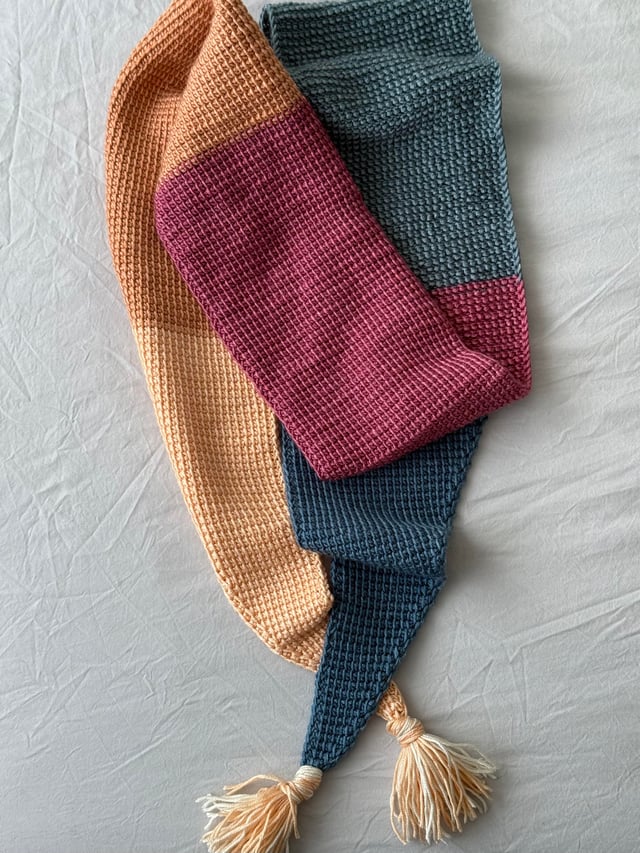
Another strategy is to incorporate leftover yarn into embellishments – tassels, pompoms, or fringe can add a finishing touch to projects while using up small scraps. Save even the tiniest pieces of yarn; they can be used for stuffing amigurumi or creating miniature embellishments. Every little bit helps reduce waste.
Natural dyeing
Natural dyeing is an ancient art that offers a beautiful and sustainable way to color your yarn. Common natural dye sources include plants (onion skins, marigolds, avocado pits), fruits (berries, pomegranate), vegetables (spinach, beets), and even insects (cochineal). The process involves extracting the dye from the source material and then using it to color the yarn.
Mordanting is a crucial step in natural dyeing. A mordant is a substance that helps the dye bind to the yarn, improving colorfastness. Common mordants include alum, iron, and tannin. The choice of mordant can also influence the final color. Natural dyeing requires patience and experimentation. The results can be unpredictable, and colorfastness can vary depending on the dye source, mordant, and fiber type.
Despite the challenges, natural dyeing offers numerous benefits. It’s a lower-impact alternative to synthetic dyes, and the resulting colors are often unique and beautiful. It's a great way to connect with nature and create truly one-of-a-kind yarns. However, be aware that natural dyes may fade over time, so handwashing is recommended.
Sustainable tools and accessories
While yarn gets most of the attention, consider the sustainability of your crochet tools too. Bamboo and wood are excellent alternatives to plastic crochet hooks. These materials are renewable and biodegradable. Look for hooks made from sustainably harvested wood. Stitch markers can also be swapped for eco-friendly options – consider using metal stitch markers or making your own from scrap yarn.
Investing in durable tools that will last for years is another important step. A well-made crochet hook will withstand frequent use and reduce the need for replacements. Taking care of your tools – storing them properly and cleaning them regularly – will also extend their lifespan. It's about making conscious choices that minimize your impact.
No comments yet. Be the first to share your thoughts!