

Check hook and yarn
Start with the constraint that matters most in real life: space, timing, budget, skill level, maintenance, or availability. That first constraint should shape the rest of the plan instead of appearing as an afterthought. Keep the first pass simple enough to verify. Compare the main options against the same criteria, remove choices that only work in ideal conditions, and save optional upgrades for later.
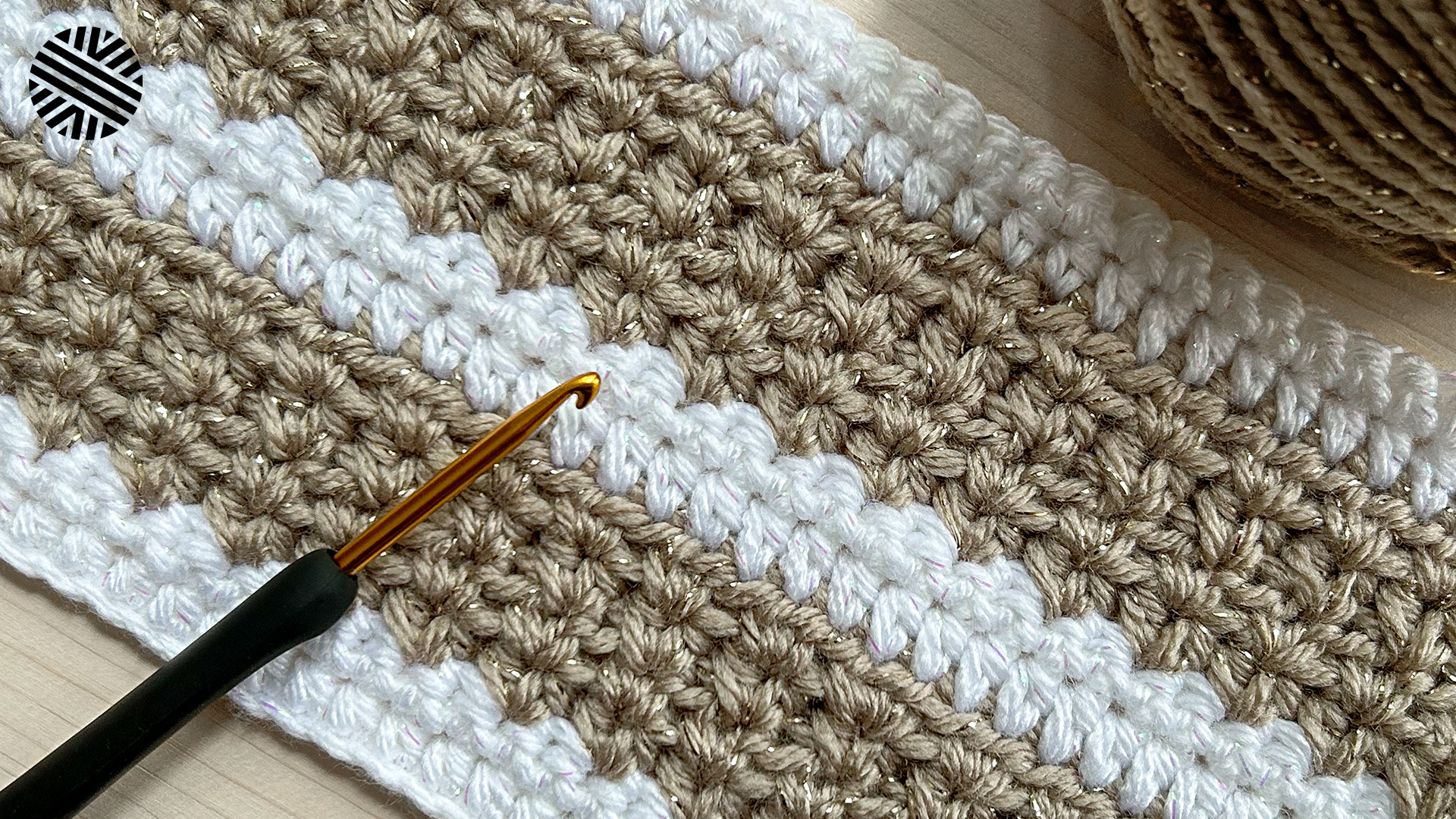
Work the stitches in order
Crochet works best as a clear sequence: define the constraint, compare the realistic options, test the tradeoff, and choose the path with the fewest hidden costs. That order keeps the advice usable instead of decorative. After each step, pause long enough to check whether the recommendation still fits the reader's actual situation. If it depends on perfect timing, unusual access, or a best-case budget, include a simpler fallback.
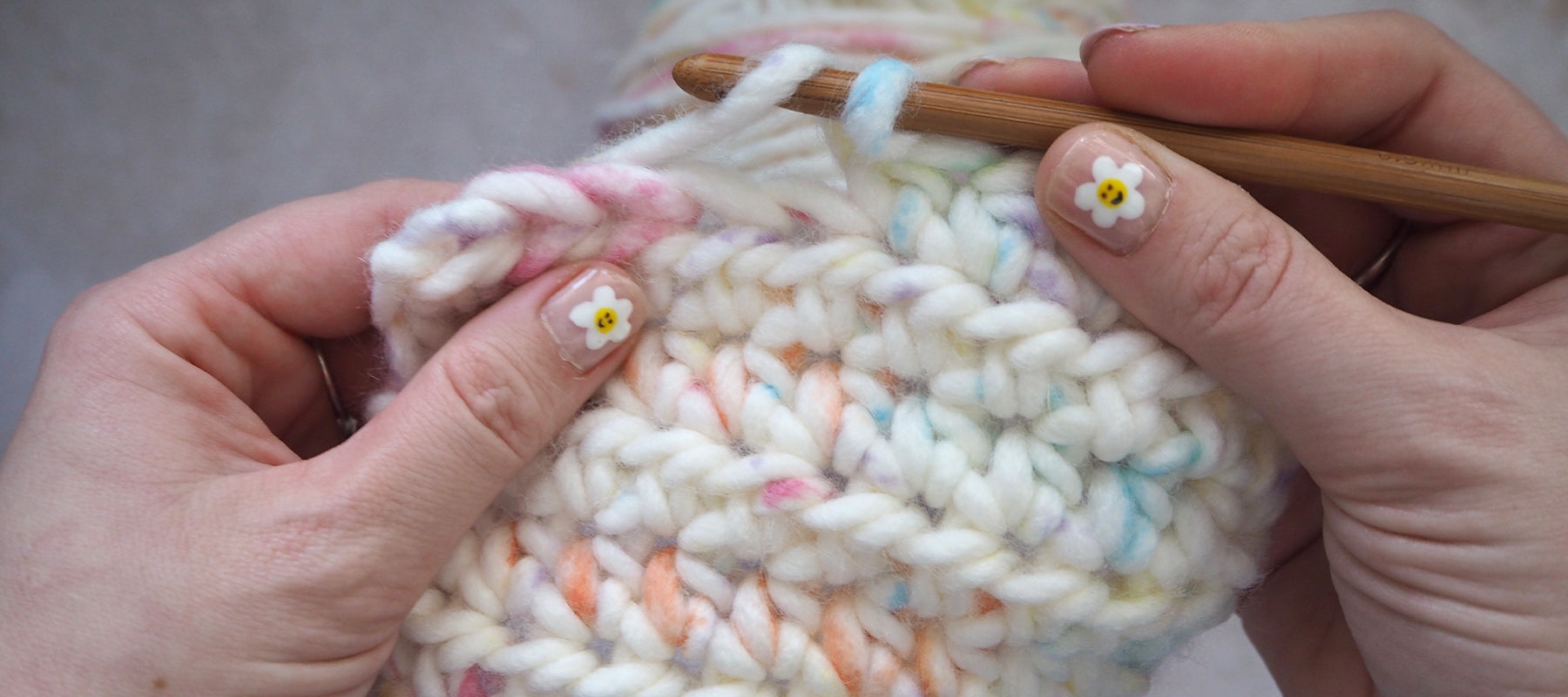
Mistakes that warp the shape
Even with perfect stitches, structural errors can ruin a garment’s fit. The most common culprit is tension inconsistency. If you pull too tight, the fabric shrinks and loses its drape, making a dress feel stiff and uncomfortable. If you are too loose, the piece stretches out of shape and becomes flimsy.
Another major issue is ignoring stitch count. In patterned designs like Tunisian crochet, adding or dropping a stitch by accident creates visible ladders or holes that warp the entire row. Always count your stitches at the end of every row, especially when working with complex stitches like Tunisian Simple Stitch or Tunisian Knit Stitch.
Finally, blocking is not optional. Many beginners skip this step, assuming the piece is finished once they weave in the ends. Without blocking, the fibers remain stressed from the tension of crocheting. Proper blocking relaxes the fibers, evens out the stitch definition, and sets the final dimensions of your project.
Crochet for beginners: what to check next
Starting a new fiber craft can feel overwhelming, especially with the variety of techniques trending on social media. Before you buy your first hook, it helps to clear up common misconceptions about difficulty and project selection. Here are the most frequent questions beginners ask.
No comments yet. Be the first to share your thoughts!