

Why choose advanced tunisian crochet
Advanced Tunisian crochet creates a dense, woven-like fabric that offers the structure of knitting with the texture of crochet. Using a specialized hook to hold multiple loops, this technique produces substantial weight and fluid drape, ideal for boho aesthetics. The density blocks drafts while the long hook allows for intricate mosaic and tapestry patterns that maintain their shape without curling.
Speed is another advantage; picking up multiple loops in one pass accelerates row completion, crucial for large projects. The interlocking loops resist stretching, ensuring your finished piece remains durable and stable over time.
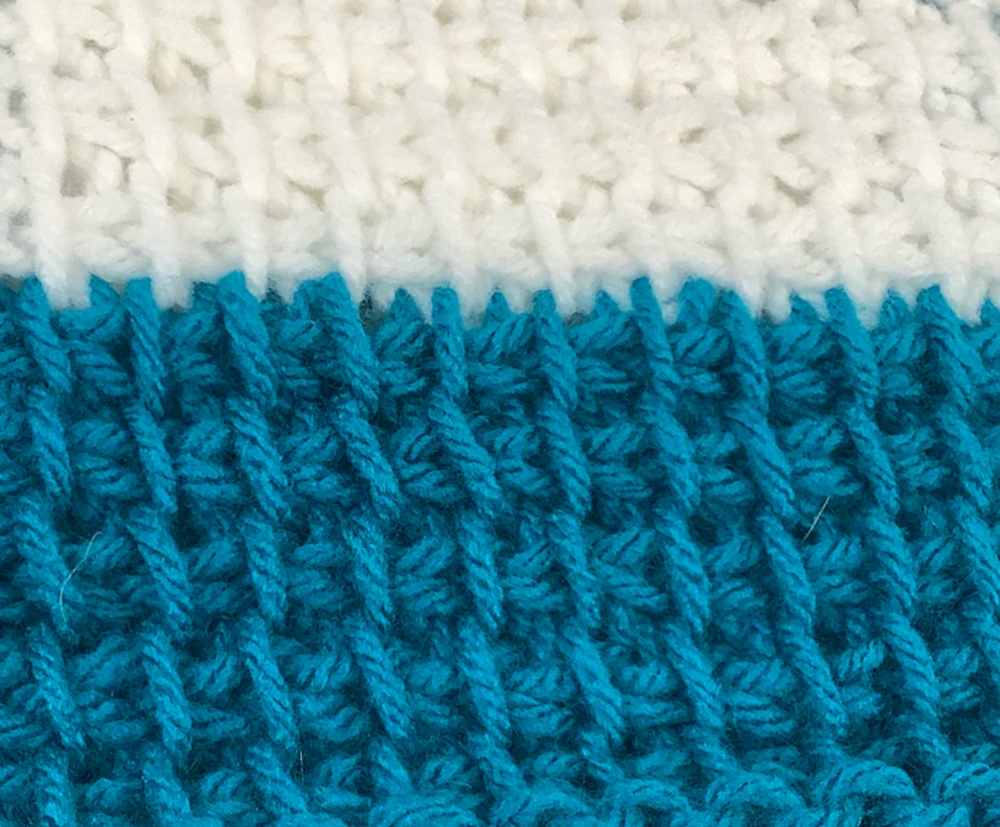
Gather tools and boho yarn
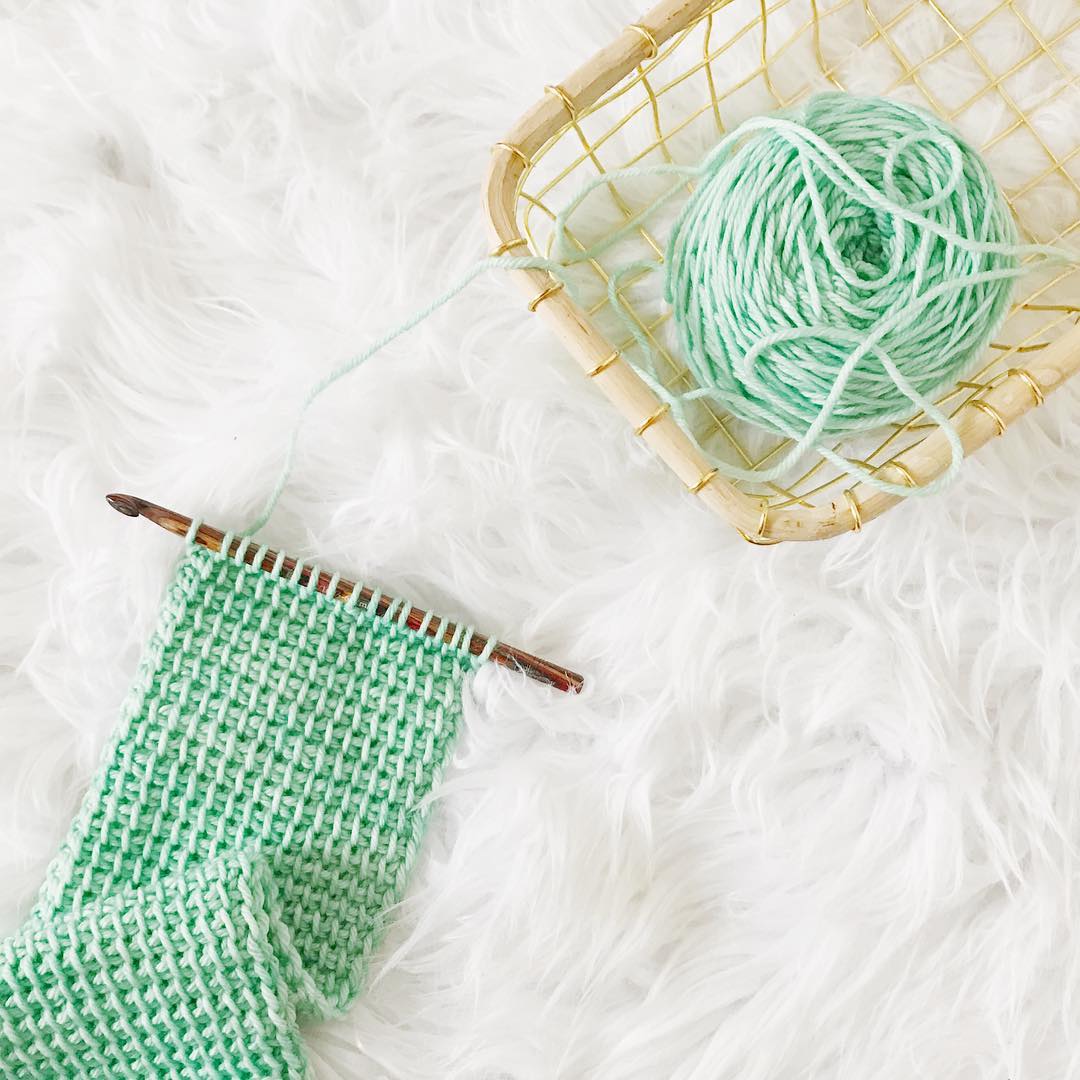
Advanced Tunisian crochet requires a long hook with a stopper to prevent loops from sliding off, accommodating the high stitch count of wide granny squares. For a boho aesthetic, select chunky wool blends or soft cottons in earthy tones like terracotta, sage, or cream. These variegated colors create a relaxed vibe without extra embellishments, while the yarn weight dictates the blanket's drape—choose something substantial enough to feel cozy but light enough to manage.
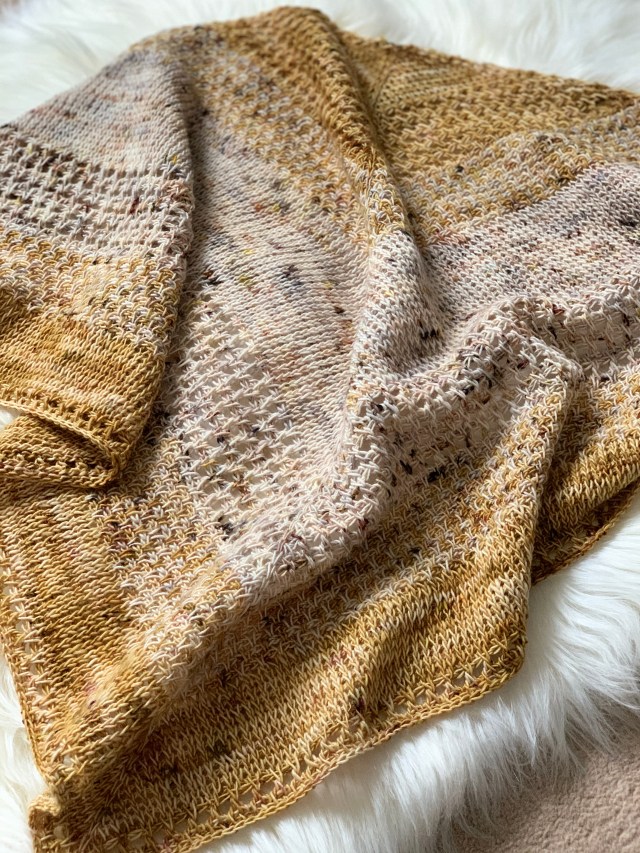
Master mosaic and tapestry stitches
Boho patterns in this project rely on mosaic and tapestry techniques, which create textured, color-blocked designs without carrying yarn across the back. Mosaic crochet uses a single color per row, relying on the height of previous rows for design, while tapestry crochet changes colors within a row to build images. Both methods require strategic stitch placement to form professional-looking geometric or organic shapes.
Tunisian Mosaic Crochet
Mosaic crochet relies on the forward pass to pick up loops from the back bumps of stitches two rows below, skipping some to create negative space. The return pass is worked in two steps to maintain tension and keep the fabric flat.
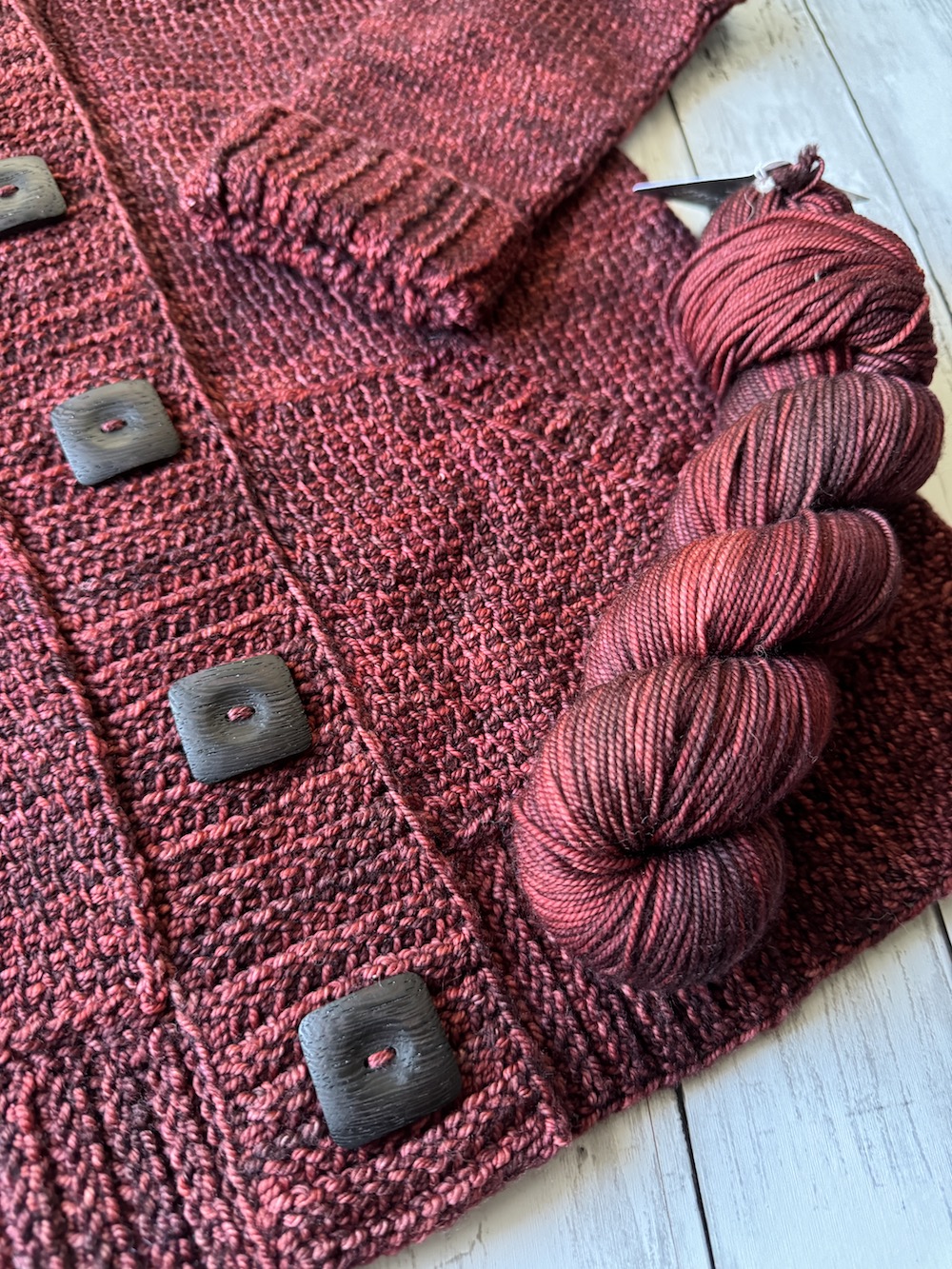
Start with the working yarn at the right side. Insert the hook into the back bump of the first stitch. If the pattern calls for a stitch, yarn over and pull up a loop. If the pattern calls for a skip, leave the stitch empty and move to the next. Continue across the row, following your chart exactly. The key is to work into the back bump of the stitch from two rows below, not the current row.
Work the return pass in two steps to keep the fabric flat. First, yarn over and pull through the first loop on the hook. Then, yarn over and pull through two loops at a time until one loop remains. This creates a clean edge and ensures the stitches from the forward pass are securely anchored.
Tapestry Crochet
Tapestry crochet involves changing colors within a row to create patterns, carrying the unused yarn along the top of the stitches to hide it inside the new ones. This method creates a dense, warm fabric with no holes, ideal for blankets.
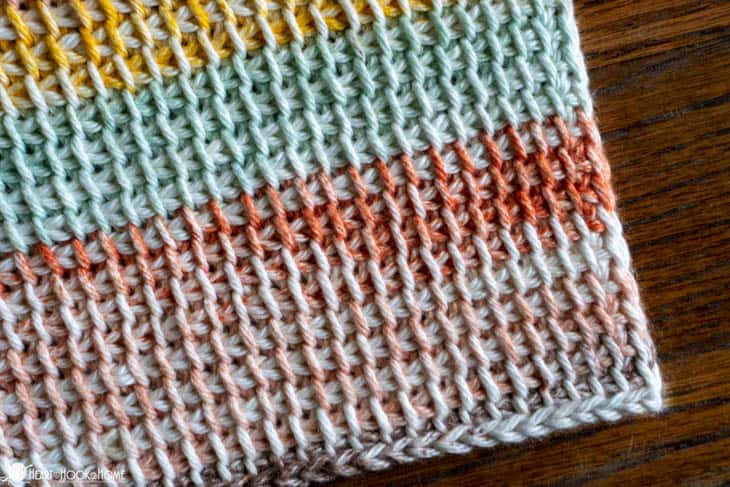
When switching colors, complete the last yarn over of the stitch with the new color. Pull the new yarn through to finish the stitch, leaving the old color hanging. Start the next stitch with the new color, crocheting over the tail of the old color to secure it. Repeat this process for every color change in the row.
As you work, ensure the unused yarn is lying flat along the top of the previous row's stitches. The hook should go under both the working yarn and the carried yarn when pulling up a loop. This encases the carried yarn inside the new stitch, preventing it from showing on the wrong side and creating a neat, professional finish.
Common Mistakes and Fixes
Both techniques require precision. In mosaic crochet, skipping the wrong stitch can distort the pattern. In tapestry crochet, carrying the yarn too tightly can pucker the fabric. Always check your work against the chart after every few rows. If you notice puckering, loosen your tension on the return pass. If the pattern looks skewed, recheck your stitch count and placement.
Crochet individual granny squares
Building the foundation of your boho blanket starts with mastering the individual granny square. In advanced Tunisian crochet, these squares are structured grids that require steady hand and consistent tension. Using Mosaic or Tapestry techniques, you create depth and texture through colorwork, turning basic stitches into a cohesive design.
The secret to a professional finish lies in managing yarn tension. Unlike standard crochet, Tunisian crochet holds all loops on the hook, which can quickly tighten your work. Keep your tension loose enough to allow the hook to glide through multiple loops smoothly, but firm enough to maintain the geometric integrity of the square.
Start by joining your first color and working the foundation row. As you move through the forward and return passes, pay close attention to color changes. In Tapestry crochet, carry the unused yarn across the back of the work; in Mosaic, you pick up loops from previous rows to create the pattern. Consistency here ensures that your squares will join seamlessly later.
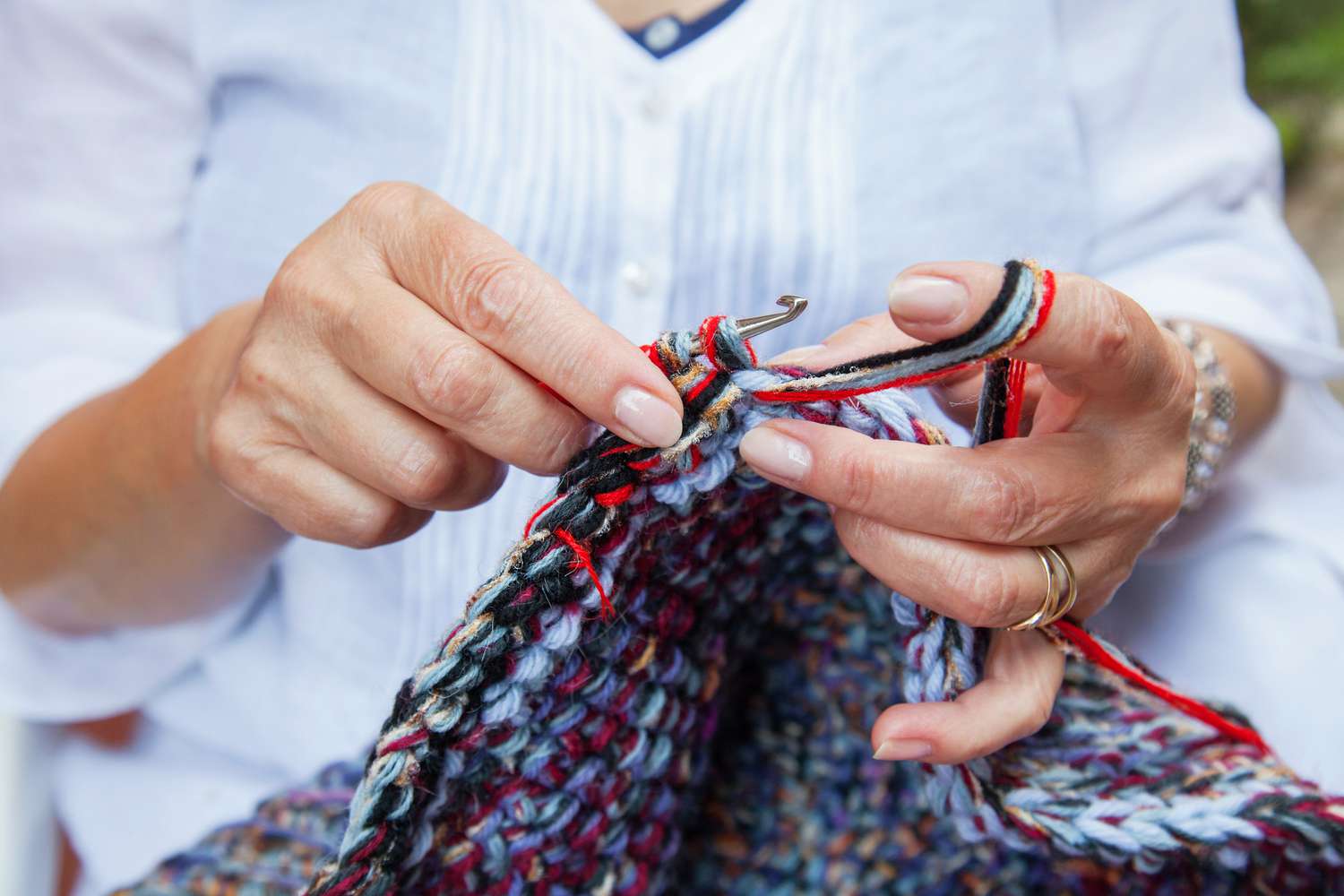
Join your primary color to the foundation chain. Work the Tunisian Simple Stitch (TSS) across the row, ensuring each loop is captured cleanly. This first row sets the baseline for your square’s dimensions. Keep the tension even; this row will determine how flat your final piece lies.
Begin your advanced pattern. For Tapestry, introduce the second color by carrying the unused strand along the back. For Mosaic, skip stitches to create the geometric gap. Work the forward pass carefully, integrating the new color into the stitch structure without twisting the carried yarn. This step defines the visual character of your square.
Complete the return pass by yarning over and pulling through two loops at a time. This is where tension often tightens. Relax your grip slightly as you work through the multiple loops. If you feel resistance, check that your hook is inserted fully into each stitch. A smooth return pass ensures the fabric remains flexible and prevents curling.
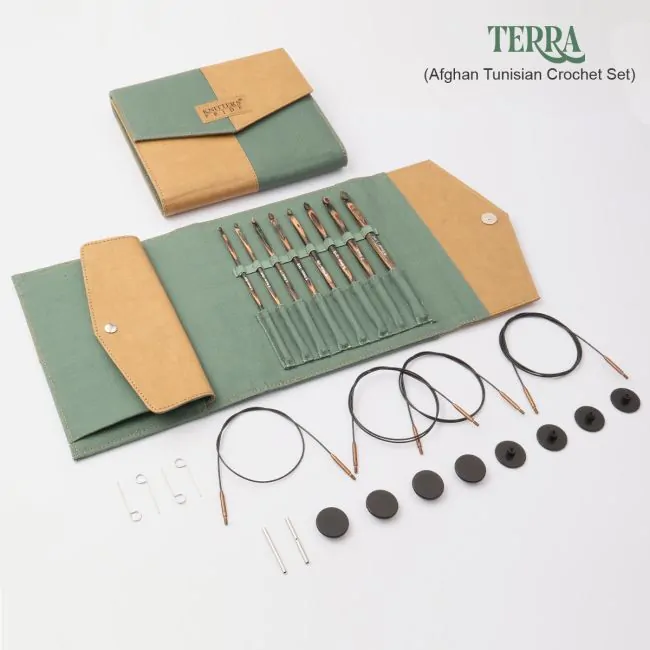
Once the square reaches the desired size, finish with a standard slip stitch or chain space. Weave in all yarn ends securely using a tapestry needle, hiding them within the reverse side of the Tunisian stitches. Trim excess yarn close to the fabric. A clean finish prevents loose threads from showing when you join the squares together.
Join squares with invisible seams
The difference between a handmade patchwork and a professional blanket comes down to the finish. Tunisian crochet squares are dense and stiff; if you sew them together with standard backstitch, the seams will pucker and the blanket will curl at the edges. An invisible seam, specifically the Tunisian side seam, locks the fabric together without adding bulk or distorting the drape.
This method works by stitching through the back loops of the side edges, creating a flexible joint that moves with the fabric. It is the standard for advanced Tunisian finishing because it keeps the grid structure intact while allowing the blanket to lie flat.
Block your squares first. Tunisian fabric shrinks as it dries; if you join them while damp or unblocked, the seams will warp as the fabric settles. Lay each square flat, smooth out the sides, and let them dry completely under weight before assembly.
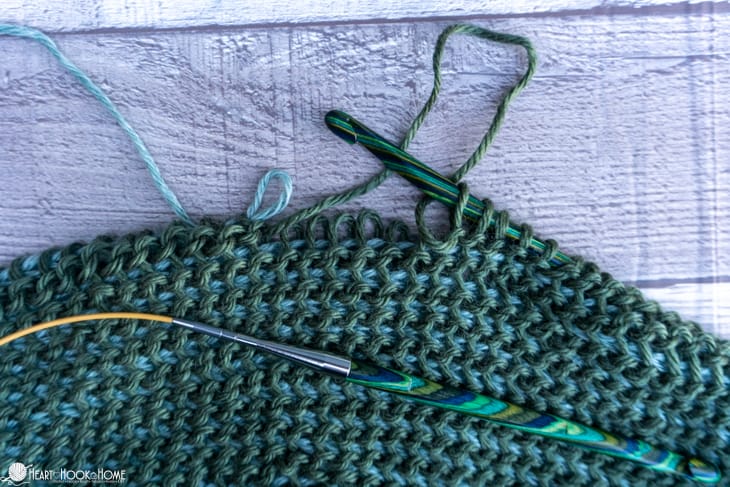
Place two squares right sides together, aligning the side edges perfectly. The Tunisian side seam works best when the back loops of both squares are visible and facing you. Pin the edges together every few inches to prevent shifting while you work.
Thread a tapestry needle with yarn that matches the square's weight. Insert the needle from front to back through the back loop of the first square, then immediately through the back loop of the second square at the exact same height. Pull the yarn through until the knot sits at the very top edge.
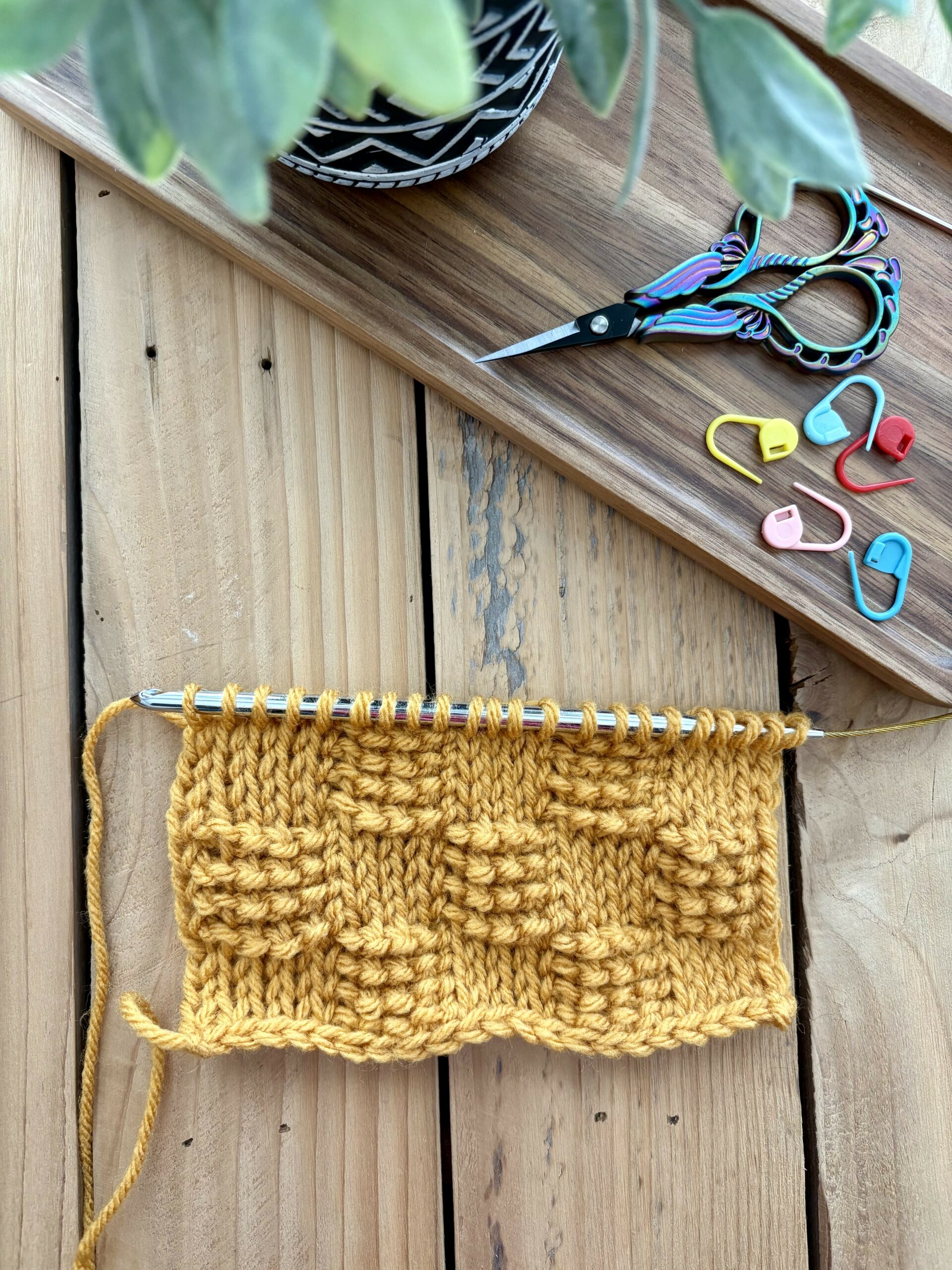
Move down the edge to the next row. Insert the needle through the back loop of the second square, then the back loop of the first square. This alternating motion creates a zigzag that locks the layers together without piercing the front face of the fabric. Keep tension loose enough to allow movement but tight enough to close gaps.
Once you reach the bottom, weave the yarn tail through the back of the seam for about two inches to secure it. Trim the excess. Repeat this process for all sides, working one seam at a time rather than joining all squares into a grid at once to maintain tension consistency.
Choose your fringe style
For a classic boho look, use three strands of yarn held together to create a substantial, rope-like tassel. Cut yarn strands to twice your desired finished length plus two inches for knotting. If you prefer a more subtle edge, a single strand of contrasting color works well to highlight the granny square structure.
Attach the fringe
Use a tapestry needle to thread the folded yarn strands through the bottom chain space of the final row. Pull the loop through, then pass the loose ends through the loop and tighten firmly. Space the tassels evenly along the bottom edge, typically every three to four stitches, depending on how dense you want the border to feel.
Trim and style
Once all tassels are attached, lay the blanket flat and trim the ends to a uniform length. A boho fringe doesn’t need to be perfectly straight; a slightly uneven cut adds to the handmade charm. Brush the fringe gently with a soft-bristle brush to separate the strands and give it a fuller, more luxurious appearance.
Fix tension problems in Tunisian crochet
Tight edges and uneven tension are common hurdles when moving from basic stitches to advanced Tunisian techniques like mosaic or tapestry. Tunisian crochet uses a long hook with a different grip than standard crochet, which naturally pulls yarn tighter through the fabric. If you feel resistance or see puckering along the sides of your boho granny square blanket, your tension needs adjustment.
Start by checking your hook size. Many crocheters use the same hook for Tunisian as they do for standard crochet, but Tunisian stitches are denser. Try going up one or two hook sizes to loosen the fabric. A looser gauge helps the stitches lay flat, especially when working complex mosaic charts where multiple yarns are involved.
Pay close attention to how you hold the hook. Gripping too tightly or pulling the yarn through the back loop with excessive force creates stiff, rigid fabric. Let the weight of the hook do the work, and keep your wrist relaxed. This subtle shift often resolves tightness without needing to change hardware.
Uneven tension often shows up as wavy edges or inconsistent stitch height. To fix this, maintain a consistent rhythm when pulling up loops and returning stitches. Don't rush the return pass. Ensure every stitch is fully drawn through before moving to the next. If you notice gaps, you may be pulling the yarn too loosely on the forward pass. Consistency in hand pressure is the key to a professional finish.
No comments yet. Be the first to share your thoughts!