

Pick breathable yarn and hooks
Summer blankets need to feel cool against the skin, not trap heat. The difference comes down to fiber choice, not just weight. Skip acrylic and wool; they hold warmth. Instead, choose natural fibers that breathe, like cotton, linen, or bamboo blends.
Cotton is the standard for summer crochet because it pulls moisture away from the body. Look for labels that say "100% cotton" or a cotton-heavy blend. Linen offers even more airflow but can be stiff for beginners. Bamboo rayon is incredibly soft and drapes well, though it can be slippery to work with. For a beginner-friendly summer project, a medium-weight cotton yarn in a neutral or light color is your best starting point. The Crochet.com Beginner Basics guide recommends starting with smooth yarns to help you see your stitches clearly.
The hook you use matters just as much as the yarn. A lightweight, ergonomic hook reduces hand fatigue during long summer sessions. Aluminum hooks are smooth and let the yarn glide, while wooden hooks offer more grip if your yarn tends to slip. Make sure your hook size matches the yarn label. A mismatched hook can make the fabric too tight and stiff, ruining the breathability you need for summer.


As an Amazon Associate, we may earn from qualifying purchases.
Master the half-double crochet stitch
The half-double crochet (hdc) is the workhorse of this summer blanket pattern. It creates a fabric that is denser than single crochet but more breathable than double crochet. This balance makes it ideal for warm-weather use, providing enough structure to hold its shape without trapping too much heat.
Learning this stitch is straightforward. You will wrap the yarn around your hook once, insert the hook into the stitch, pull up a loop, and then yarn over and pull through all three loops on the hook. This simple motion builds the fabric row by row.
Wrap the yarn around your hook (yarn over). Insert the hook into the designated stitch from front to back. This sets up the tension for the next pull.
Yarn over again and pull the yarn through the stitch. You should now have three loops on your hook: the original loop, the new loop from the stitch, and the loop from the yarn over.
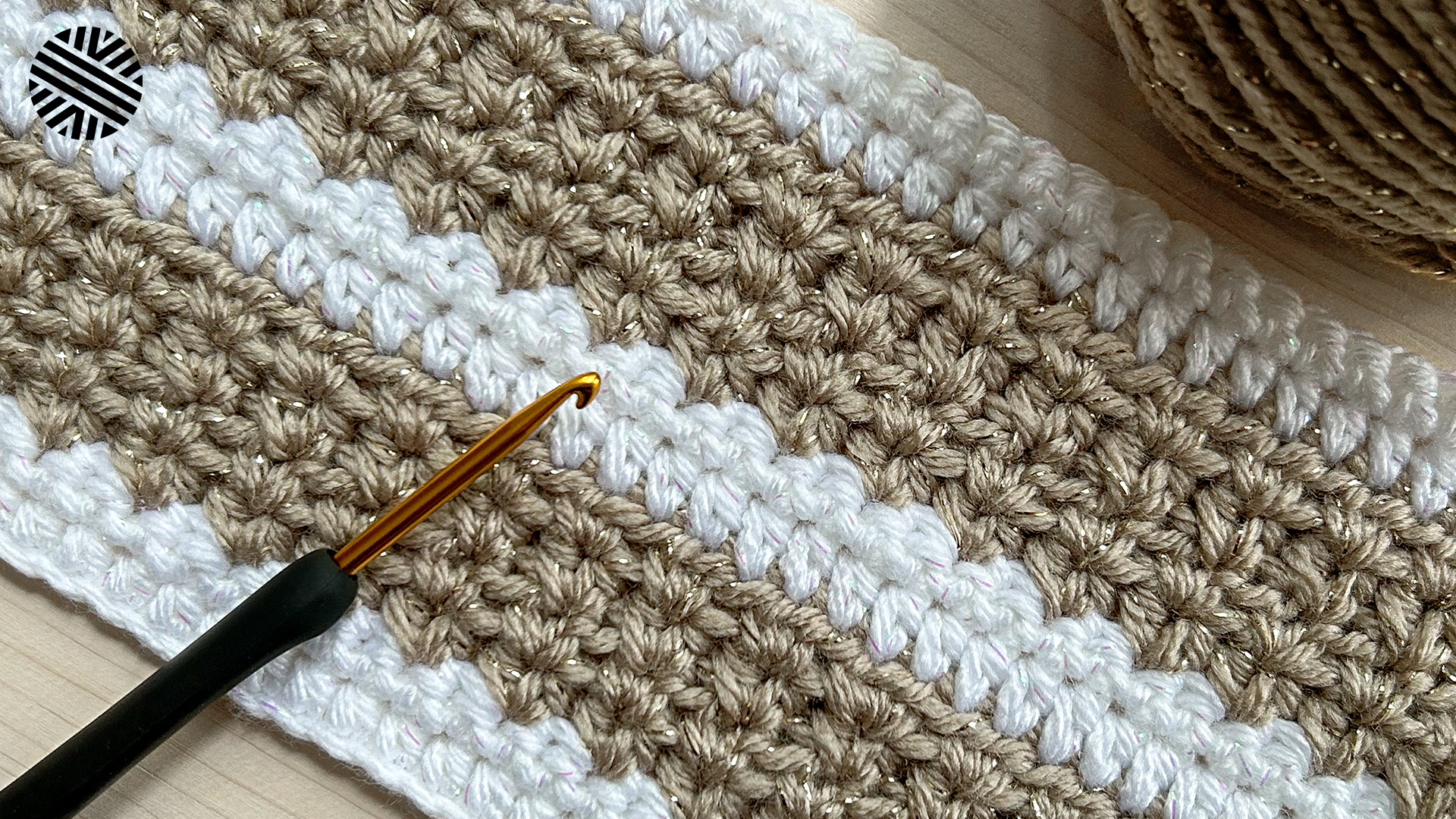
Yarn over one last time and pull the yarn through all three loops on the hook. You have now completed one half-double crochet stitch.
Continue this process across the entire row. Keep your tension even to ensure the blanket lies flat. Consistent tension is the secret to a professional-looking finish.
Watch this video to see the hand movements in real time. It helps clarify the timing of the yarn-overs.
Chain the foundation row correctly
The foundation chain sets the width of your summer blanket. If the chain is too short, the blanket will be narrow. If it is too long, the first row will curl or ripple. Getting this step right ensures the fabric lays flat and matches the size you planned.
Measure your desired blanket width. Most beginner patterns use a multiple of a specific number of chains plus a turning chain. For example, if your stitch pattern requires groups of four chains, multiply your target width by your stitch gauge, then add the necessary turning chain. Check your pattern’s foundation instructions for the exact formula.
Chain the required number of stitches. Keep your tension even. Avoid pulling too tight, which makes it hard to insert your hook. Avoid pulling too loose, which creates gaps. The chain should look uniform, like a neat rope.
Lay the chain flat on a table. Measure it with a ruler or tape measure. Compare the measurement to your target width. Allow for slight shrinkage from the first row of stitches. If the chain is significantly off, unravel and try again. A small error in the foundation can grow into a large mistake later.
Weave in ends and block the blanket
Finishing touches turn a loose collection of stitches into a durable, square blanket. This process involves two main actions: hiding the loose yarn tails and shaping the fabric. For cotton or linen blends, blocking is essential because it relaxes the fibers, allowing the stitch definition to open up and the edges to straighten.
Cut the yarn, leaving a 6-inch tail. Thread this tail onto a blunt yarn needle. Weave the needle through the backs of adjacent stitches for about two inches, changing direction occasionally to lock the tail in place. Avoid pulling too tightly, as this can pucker the fabric.
Fill a clean bathtub or large basin with lukewarm water and a small amount of gentle wool wash. Submerge the blanket completely and let it soak for 15 to 20 minutes. This relaxes the tension in the stitches and prepares the fibers for reshaping.
Drain the water. Press the blanket against the side of the tub to remove excess moisture—never wring it, as this distorts the shape. Roll the blanket in a clean, dry towel and press down firmly to absorb more water.
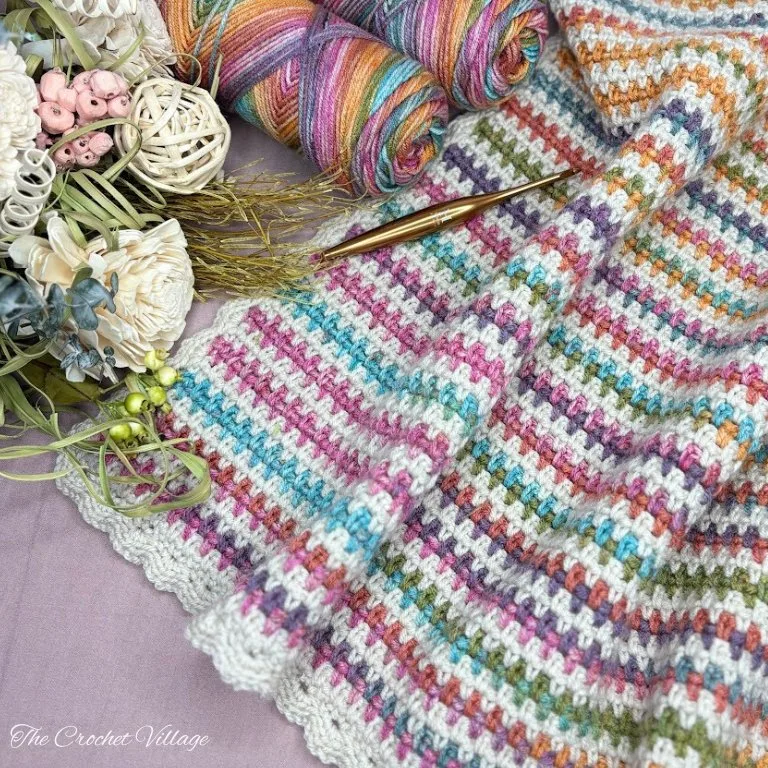
Lay the damp blanket on a flat surface or blocking mats. Use rust-proof pins to straighten the edges and square the corners. Measure the blanket to ensure it matches the intended dimensions. Let it dry completely before removing the pins.
A quick checklist for finishing touches:
-
Trim all loose ends
-
Weave in tails securely
-
Block the blanket
-
Inspect for even edges
Common beginner mistakes to avoid
Even with the best summer yarn, a few technical habits can ruin the drape and shape of your blanket. Tight tension, twisted chains, and uneven edges are the most frequent culprits. Fixing these issues early saves hours of ripping out rows later.
Keep your tension loose
Beginners often grip the hook too tightly, especially when learning to hold the yarn. Summer blankets need to drape, not stand stiffly. If your fabric feels like a carpet, you’re pulling too hard. Relax your grip and let the hook glide. A loose tension creates that airy, lightweight feel perfect for warm weather.
Avoid twisted chains
A twisted foundation chain creates a spiral that tightens as you crochet, making the blanket curl. If you notice the chain looking like a rope rather than a flat line, stop and untwist it. Lay the chain flat on your lap and check each loop before you start your first row. A flat chain ensures the edges stay straight.
Check your edge stitches
Uneven edges often come from skipping or adding stitches in the first and last rows. This causes the blanket to wave or curl at the sides. Count your stitches at the end of every row. If you’re unsure, use a stitch marker in the first and last stitch of each row to keep your count clear and consistent.
Frequently asked questions about summer blankets
Summer blankets need yarn that breathes and holds up to frequent washing. Choose materials that stay cool and durable, and pick hook sizes that create an open, airy fabric.
No comments yet. Be the first to share your thoughts!