

Check hook and yarn
Advanced Tunisian crochet demands precision. The fabric pulls tighter than standard crochet, so your tools must handle the tension without slipping or bending. Start with a Tunisian hook that matches your yarn weight exactly. An aluminum hook with a smooth throat reduces drag on bulky winter yarns, while a wooden hook offers grip for slippery silk blends. Avoid hooks with deep throats if you are working with tight stitch patterns, as the yarn can get stuck during the forward pass.
Pair the hook with yarn that has enough body to hold structure. For a seasonal dress, choose merino wool or a cotton-acrylic blend for drape. For a blanket, a chunky wool or bamboo viscose provides warmth and definition. Check the yarn label for the recommended hook size, then adjust based on your personal tension. If the yarn feels too sticky, switch to a smoother material. If it splits constantly, you need a larger hook or a tighter twist.
Test your setup before casting on. Make a swatch of the Tunisian Simple Stitch and measure it. It should feel firm but flexible. If the fabric is stiff or the stitches are uneven, swap the hook size or try a different yarn texture. This small check prevents hours of unraveling later.
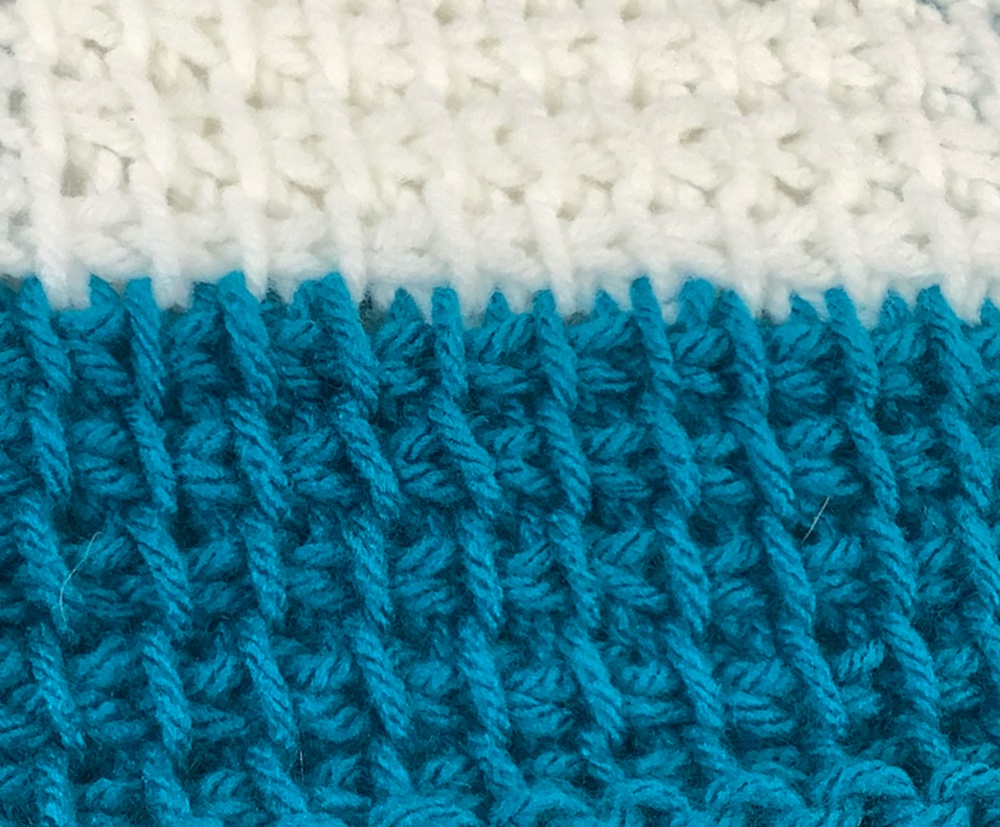
Work the stitches in order
Tunisian crochet works best as a clear sequence: define the constraint, compare the realistic options, test the tradeoff, and choose the path with the fewest hidden costs. That order keeps the advice usable instead of decorative.
After each step, pause long enough to check whether the recommendation still fits the reader's actual situation. If it depends on perfect timing, unusual access, or a best-case budget, include a simpler fallback.
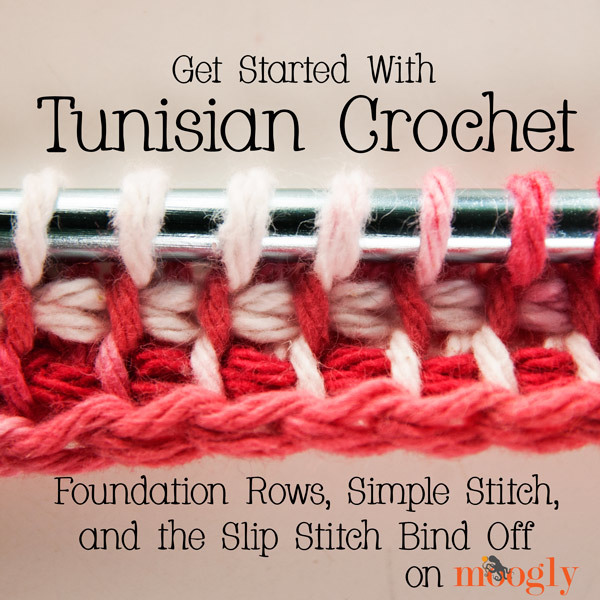
Mistakes That Warp the Shape
Tunisian crochet creates a dense, stiff fabric that holds its structure well. This strength is also its weakness. When you pull too much tension or skip critical steps, the fabric distorts. The dress won't hang right. The blanket will curl into a tube. These errors are subtle during the row but obvious when you try to wear or drape the finished piece.
The most common culprit is uneven stitch height. In standard crochet, you can often fix a loose stitch by tightening the next one. Tunisian stitches are locked in place during the return pass. If your forward pass pulls the yarn too tight, you create a ridge. If you leave it too loose, you create a hole. Both disrupt the vertical grain of the fabric.
Another frequent error is ignoring the foundation chain. Many crocheters treat the first row like a normal crochet chain. This is incorrect. The foundation chain sets the gauge for the entire project. If it’s too tight, the bottom edge will curl inward. If it’s too loose, the side edges will wave. You must match the tension of your foundation chain to the rest of the fabric.
Finally, failing to block the fabric is a mistake that ruins the shape. Tunisian crochet is heavy. The weight of the yarn pulls the stitches out of alignment as you work. Without blocking, the dress will look stretched and uneven. Blocking relaxes the fibers and allows the stitches to settle into their proper shape.
No comments yet. Be the first to share your thoughts!