

Planning your year in yarn
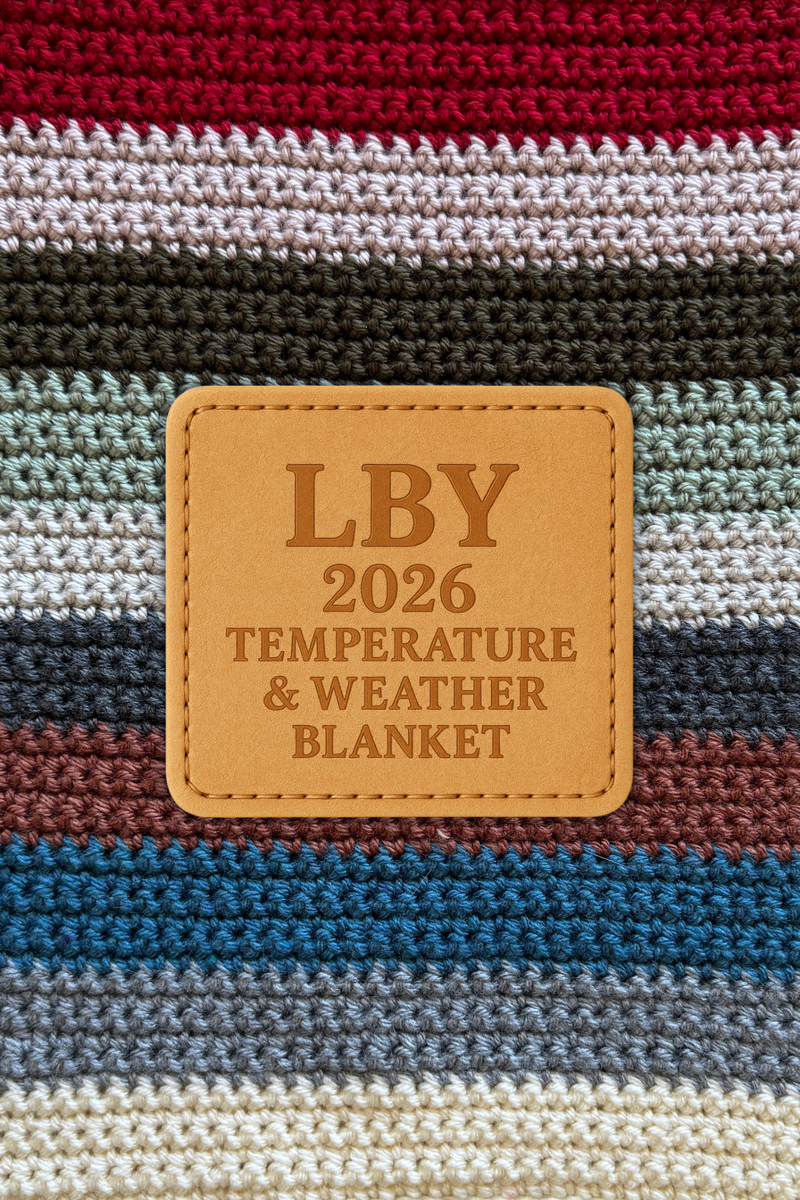
The idea of a temperature blanket is wonderfully simple: you crochet a row (or square) each day, and the color of the yarn you use corresponds to the day’s temperature. At the end of the year, you have a beautiful, tangible record of the weather you experienced. It’s more than just a blanket; it’s a cozy piece of art and a unique personal history.
Turning daily high temperatures into a physical object is satisfying, but 365 days of crochet is a heavy lift. Pick a stitch you actually like looking at, because you'll be seeing a lot of it by July.
Before you even pick up a hook, you’ll need to think about yarn. Acrylic yarn is a popular choice for its affordability and ease of care, but wool, cotton, or blends can also work beautifully. Consider the weight of the yarn too; a lighter weight will result in a more delicate drape, while a heavier weight will create a warmer, chunkier blanket. Blanket size is also key – do you want a throw, a twin, a queen? These decisions will impact how much yarn you need.
Starting a temperature blanket is about embracing the process. It's about the daily ritual, the slow build-up of color, and the anticipation of seeing your year unfold in yarn. It’s a project that combines creativity, mindfulness, and a love of crochet.
Setting your temperature scale
Assigning colors to temperatures is where things get interesting. There’s no single "right’ way to do it, but a thoughtful approach will make your blanket more meaningful. You’ll need to decide on a temperature range and then divide that range into segments, each represented by a different color. Consider whether you"ll be using Fahrenheit or Celsius – make sure to stick with one throughout the year.
A common approach is to start with cooler colors (blues and purples) for lower temperatures and transition to warmer colors (reds and oranges) as the temperature rises. You could create a gradient with, for example, navy for below 30°F, royal blue for 30-40°F, teal for 40-50°F, and so on. You might aim for ten segments, or you might prefer a more nuanced palette with fifteen or twenty.
It can be tricky when temperatures fall exactly on the boundary between two colors. Some crocheters choose to round to the nearest degree, while others alternate colors on those days. Don't overthink it. The goal isn’t perfect precision, but a visual representation of the year's temperatures. I feel strongly that it's better to pick a method and stick to it for consistency.
Here's an example temperature scale in Fahrenheit: Below 20°F – White, 20-30°F – Light Blue, 30-40°F – Blue, 40-50°F – Teal, 50-60°F – Green, 60-70°F – Yellow, 70-80°F – Orange, 80-90°F – Red, 90-100°F – Burgundy, Above 100°F – Dark Red. Remember to adapt this to your local climate!
- Below 20°F – White
- 20-30°F – Light Blue
- 30-40°F – Blue
- 40-50°F – Teal
- 50-60°F – Green
- 60-70°F – Yellow
- 70-80°F – Orange
- 80-90°F – Red
- 90-100°F – Burgundy
- Above 100°F – Dark Red
Temperature Blanket Color Palette Guide
| Temperature Range (F) | Temperature Range (C) | Suggested Color | Notes |
|---|---|---|---|
| Below 32°F | Below 0°C | Dark Navy | Deep, cool shade |
| 32°F - 40°F | 0°C - 4°C | Navy Blue | Slightly lighter than dark navy |
| 41°F - 50°F | 5°C - 10°C | Royal Blue | A classic blue tone |
| 51°F - 60°F | 10°C - 15°C | Light Blue | Pastel or sky blue |
| 61°F - 70°F | 16°C - 21°C | Green | A vibrant, grassy green |
| 71°F - 80°F | 22°C - 27°C | Yellow | Sunny and bright |
| 81°F - 90°F | 27°C - 32°C | Orange | Warm and energetic |
| Above 90°F | Above 32°C | Red | A bold, fiery red |
Illustrative comparison based on the article research brief. Verify current pricing, limits, and product details in the official docs before relying on it.
Fiber, weight, and color
Your yarn choice dictates how the blanket feels and how you'll wash it. Acrylic is the standard for these projects. It's cheap and survives the washing machine, though it lacks the soft heat of real wool.
Wool is exceptionally warm and has a beautiful texture, but it can be more expensive and requires hand washing. Cotton is breathable and soft, making it ideal for warmer climates, but it can be heavy and doesn’t have much stretch. Blends offer a compromise, combining the benefits of different fibers. For example, a wool-acrylic blend can provide warmth and affordability.
Yarn weight also matters. DK (double knit) or worsted weight yarns are common choices for blankets, offering a good balance between warmth and drape. Bulky or super bulky yarns will create a very warm and chunky blanket, but they use up yarn quickly. Consider how the yarn weight will affect the overall look and feel of your finished blanket.
Colorfastness is another important factor. Choose yarns that are dye-lot matched to avoid variations in color throughout your blanket. And be sure to check the yarn label for washing instructions to ensure your colors won’t bleed onto each other. Using high-quality yarn is worth the investment for a project that will last for years.
Essential Crochet Stitches & Techniques
You don’t need to be an experienced crocheter to tackle a temperature blanket. The basic stitches are all you need to get started. The chain stitch is the foundation of most crochet projects, and the single crochet and double crochet stitches are commonly used for blankets. Learning these three stitches will get you very far.
There are fantastic resources available online to help you master these stitches. For a complete beginner, the 'How to Crochet a Blanket Step-by-Step' video on YouTube is a great starting point. Crochet With Tiffany’s 'How To Crochet A Blanket For Absolute Beginners' is also excellent, showcasing a simple stitch that creates a beautiful texture. Bella Coco Crochet also has a helpful tutorial for hand crocheting blankets.
Maintaining consistent tension is key to a neat and even blanket. Practice your stitches until you can create them with a uniform size and tightness. Techniques for joining squares or working in continuous rounds will depend on your chosen blanket construction method. A seamless join can make a big difference in the finished look.
A simple single crochet border keeps the edges tidy without distracting from the color changes. If the main body is busy, a solid black or white border frames the year's data nicely.
Blanket Construction: Stripes, Squares, or Something Else?
There are several ways to construct a temperature blanket. The simplest method is to work in stripes, crocheting a row of each color corresponding to the daily temperature. This is a great option for beginners, as it requires minimal seaming. Working in continuous rounds (a spiral) is another popular choice, resulting in a seamless blanket.
Alternatively, you can crochet individual squares, each representing a week or month, and then join them together. This method allows for more flexibility in terms of color changes and pattern variations. However, it does require more seaming. Calculating yarn requirements will vary depending on your chosen method and blanket size.
For stripes, estimate the length of each row based on your gauge (stitches per inch) and the desired blanket width. For squares, calculate the yarn needed for each square and multiply by the total number of squares. It’s always better to overestimate slightly than to run out of yarn mid-project.
Blocking the finished blanket is essential to ensure it lies flat and the stitches are even. Blocking involves wetting or steaming the blanket and then shaping it to the desired dimensions. This process can make a significant difference in the overall appearance of your finished blanket. This is where you really refine the look of the blanket.
Tracking Temperatures & Staying Motivated
Keeping track of daily temperatures is an essential part of the temperature blanket process. A simple spreadsheet is a great way to record the high temperature for each day, along with the corresponding color. You can also use a calendar or a dedicated app – there are several available specifically for temperature blanket crocheters.
Staying motivated throughout the year can be a challenge, especially during stretches of consistent temperatures. Set realistic goals and break the project down into smaller, manageable chunks. Celebrate milestones, such as completing a month or a quarter of the blanket. Don't be afraid to take a break when you need to, but try to get back on track as soon as possible.
Connecting with other temperature blanket crocheters can provide support and encouragement. Share your progress online using hashtags like #temperatureblanket or #tempblanket. Join a Facebook group or online forum dedicated to temperature blankets. Seeing other people’s work can be incredibly inspiring.
Remember why you started this project. It’s not just about creating a blanket; it’s about documenting a year in your life, one stitch at a time. It's a comforting way to remember the seasons and the weather patterns of a specific year. I think building a community around this project would be really valuable.
- Use a spreadsheet to record daily temperatures and corresponding colors.
- Set realistic goals and break the project into smaller chunks.
- Celebrate milestones.
- Connect with other crocheters online.
2026 Forecast: Planning Ahead
With 2026 just around the corner, now is the perfect time to start planning your temperature blanket. Begin by finalizing your color palette and gathering your yarn. Ordering yarn now will ensure you have enough of each color on hand when you're ready to start on January 1st, 2026. It’s also a good idea to practice your chosen stitches to get comfortable with the pattern.
Consider the potential temperature extremes in your location when choosing your color palette. If you live in an area with harsh winters, make sure to include plenty of cool colors. If you live in a warmer climate, you’ll need more warm colors. Think about the overall look you want to achieve and choose colors that complement each other.
Preparing now will set you up for a smooth and enjoyable crochet experience throughout 2026. A little planning can go a long way in ensuring that your temperature blanket is a beautiful and meaningful representation of the year’s weather.
No comments yet. Be the first to share your thoughts!