

Check hook and yarn
Advanced Tunisian crochet demands specific tools because the technique moves differently than standard crochet. You are holding a long row of live stitches on the hook shaft, which changes how yarn behaves and how tension holds. Using the wrong combination creates stiff fabric or causes stitches to slip off the hook entirely.
Select the right hook
Standard crochet hooks have a shallow throat. Tunisian hooks need a deep throat to accommodate the bulk of multiple stitches. For advanced dress designs, a Tunisian hook with a deep throat and a smooth, tapered tip is essential. The hook length must match the width of your garment panels. A 19-inch hook works for most bodices, while longer panels might require a 24-inch hook.
If you are using Tunisian Easy Stitch, a standard hook might suffice, but for mosaic or advanced Tunisian crochet, the deep throat is non-negotiable. The extra depth prevents stitches from crowding at the tip, allowing for smoother forward passes. Look for hooks made of aluminum or carbon fiber for consistent weight and glide. Wooden hooks can create too much friction, slowing down your rhythm and tightening your tension.
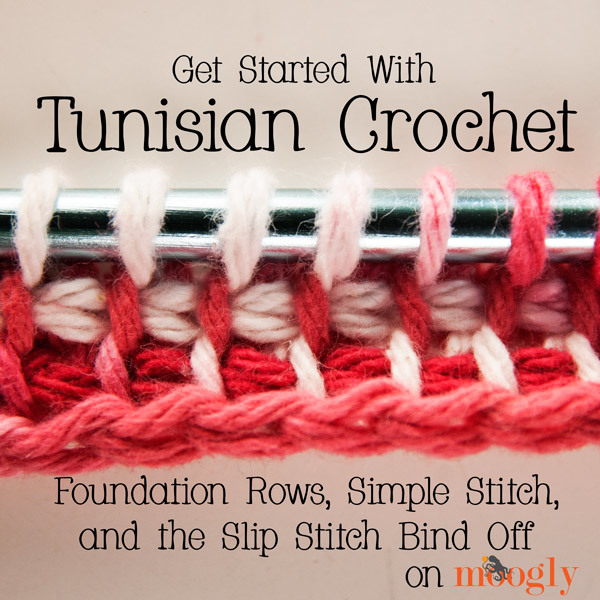
Choose a suitable yarn
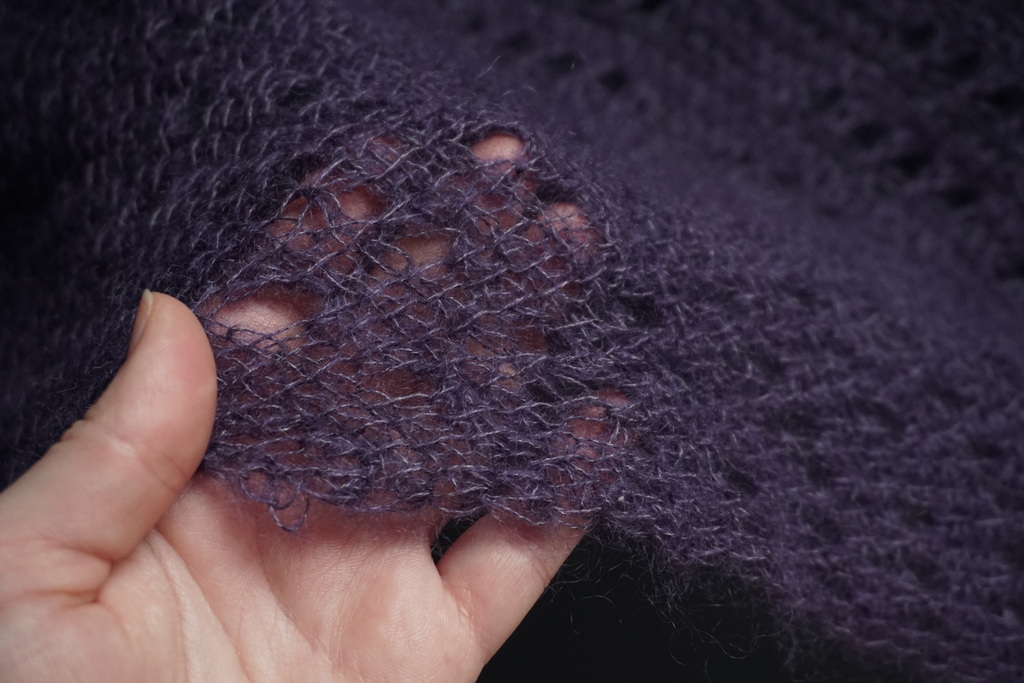
Advanced Tunisian crochet exposes every flaw in yarn structure. You need yarn with enough strength to hold the tension of many live stitches without splitting. Smooth, plied yarns are the best choice. Cotton, linen, or high-quality wool blends work well. Avoid fuzzy, mohair-heavy yarns, as they obscure the intricate stitch definition that makes advanced Tunisian crochet visually striking.
Yarn weight also matters. A worsted weight (4) is a safe starting point for modern dress designs, offering good drape without being too heavy. If you are working with lace-weight yarn, be prepared for a slower pace and a more delicate fabric. The key is consistency. Check your yarn label for recommended hook sizes, but adjust based on the deep-throat requirement of Tunisian hooks. A hook size one or two sizes larger than your standard crochet hook often works best for Tunisian projects to maintain drape.
Verify your setup
Before casting on, test your hook and yarn together. Chain ten and work a few rows of basic Tunisian Simple Stitch. The stitches should sit comfortably on the hook without crowding. If they feel tight or hard to pull the hook through, your hook is too small or the yarn is too fuzzy. If they slip off easily, your hook might be too large or the yarn too slippery. Adjust accordingly. This small test saves hours of frustration later.
| Feature | Standard Crochet Hook | Tunisian Hook |
|---|---|---|
| Throat Depth | Shallow | Deep |
| Tip | Tapered or Inline | Tapered, with a stopper |
| Length | Variable | Fixed (usually 19-24 inches) |
| Best For | Single stitches | Multiple live stitches |
Investing in the right hook and yarn is not just about convenience. It is about enabling the complex stitch patterns you intend to use. Without the right tools, the advanced techniques will fight against you. With them, you can focus on the design and the drape of your dress.
Work the stitches in order
Tunisian crochet moves differently than standard crochet because you carry loops on the hook for an entire row. This creates a dense, woven fabric ideal for structured dresses. To master advanced designs, you must treat the forward and return passes as a single unit of work. Rushing either pass breaks the tension and distorts the drape.
1. Set up the foundation and hook
Start with a foundation chain that matches your pattern’s width. Use a Tunisian crochet hook with a deep throat to hold the growing number of loops without dropping them. Insert the hook under the vertical bars of the foundation chain. This specific placement ensures the bottom edge remains flexible while the rest of the fabric stays stable. Pull up a loop through each chain stitch. You should now have exactly the same number of loops on your hook as the stitches in the foundation chain.
Hold the hook at a 45-degree angle. Slide the hook tip under the vertical bar of the chain stitch from front to back. Keep your working yarn behind the hook. Pull the loop through smoothly. Repeat this for every stitch across the row. Do not twist the loops on the shaft of the hook.
2. Complete the forward pass
The forward pass builds the fabric. As you pick up loops, keep your tension consistent. In advanced Tunisian patterns, you will often encounter Tunisian knits, purls, or mosaic stitches. These require specific hook insertions, such as under the back vertical bar only. If you miss a vertical bar or pick up the wrong one, the stitch count will skew, and your dress panel will warp. Count your loops frequently. If you have one too many or one too few, stop immediately and fix the error before starting the return pass.
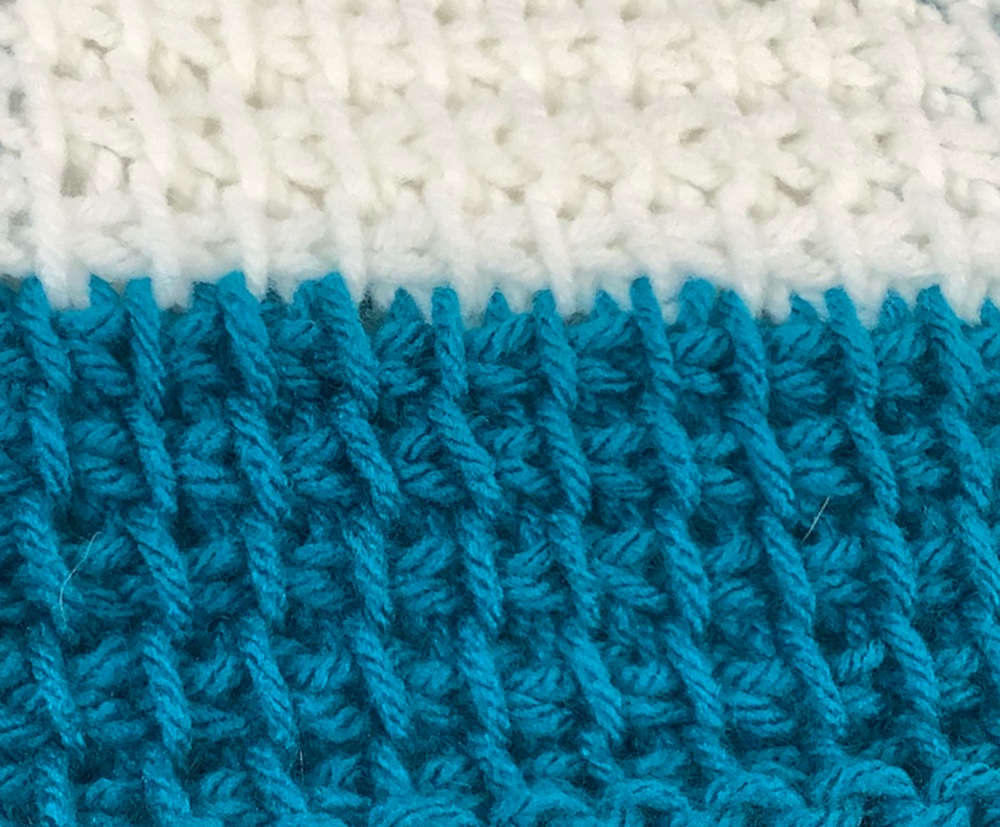
Continue inserting the hook and pulling up loops until you reach the last stitch of the row. On the final stitch, insert the hook under the vertical bar of the last chain. Pull up a loop. You now have all your active loops on the hook. The forward pass is complete.
3. Execute the return pass
The return pass secures the loops and finishes the row. Start by yarn over and pull through one loop to cast off. Then, yarn over and pull through two loops for each remaining stitch. Work this across the entire row. Keep your tension firm but not tight. If the return pass is too loose, the fabric will waver. If it is too tight, the fabric will curl and become stiff. For advanced dress designs, the return pass determines the final texture and drape of the garment.
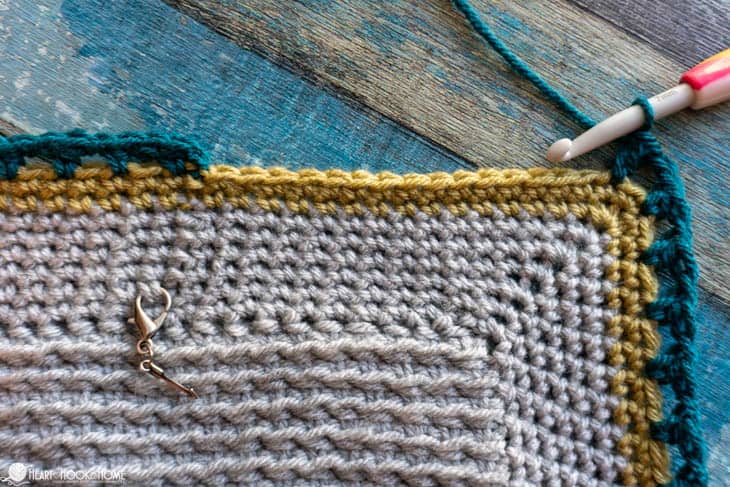
Yarn over and pull through the first loop on the hook. Yarn over and pull through the next two loops. Repeat this motion until only one loop remains on the hook. This single loop is your starting point for the next row. Do not cut the yarn unless you are ending the project.
4. Turn and begin the next row
Turn your work. The side facing you should show vertical bars. These bars are your guide for the next forward pass. Insert the hook under the vertical bar of the first stitch. Pull up a loop. Repeat across the row. If you are working a color change or a complex mosaic pattern, follow your chart precisely at this stage. Advanced Tunisian crochet relies on reading the fabric as you go. Trust the vertical bars to guide your hook placement.
Flip the work so the back side is facing you. Identify the vertical bars created by the previous row. These bars are the only places you will insert the hook for the next forward pass. This consistency creates the unique Tunisian fabric structure.
5. Maintain tension and check gauge
As you progress, your hands may tire, leading to uneven tension. Pause every few rows to check your gauge. Measure a 4-inch square. If the stitches are too tight, the dress will feel stiff and heavy. If they are too loose, the dress may lack structure. For advanced designs, consistent tension is more important than speed. It is better to work slowly and evenly than to rush and fix errors later. If you notice tension drift, adjust your grip or switch to a slightly larger hook for the next few rows to compensate.
Lay the fabric flat. Measure a 4-inch section. Count the stitches and rows. Compare this to your pattern’s gauge. If the fabric is too dense, relax your grip. If it is too loose, tighten your hold. Consistent tension ensures the dress drapes correctly.
Common mistakes to avoid
- Dropping loops: Always keep your hook inserted or the loops secured. Tunisian crochet carries many loops; dropping one can unravel a significant portion of the row.
- Twisting loops: When picking up loops, ensure they are not twisted on the hook shaft. Twisted loops create uneven stitches and distort the fabric.
- Inconsistent tension: Varying tension between the forward and return passes causes waviness. Practice keeping your tension even throughout both passes.
Proof checks
- Stitch count: Verify the number of loops on the hook matches the foundation chain at the end of the forward pass.
- Vertical bars: Ensure you are inserting the hook under the vertical bars, not the chain loops or top edges.
- Return pass: Confirm you are pulling through two loops at a time for every stitch except the first cast-off.
Mistakes That Warp the Shape
Tunisian crochet creates a dense, heavy fabric that reacts differently to gravity than standard crochet. When working on dresses, the weight of the yarn pulls the fabric down, and small errors in tension or stitch count compound quickly into major shape distortions. Fixing these issues requires understanding how the forward and return passes interact with the garment’s structure.
The most common failure point is uneven tension across the row. Because Tunisian crochet holds all stitches on the hook simultaneously, any inconsistency in how tightly you pull the yarn during the forward pass will result in a wavy or rippled edge. This is particularly visible in fitted bodices or structured skirts where a straight grain line is essential.
Another frequent error is incorrect stitch placement at the edges. Unlike regular crochet, where turning chains often count as a stitch, Tunisian patterns vary. If you do not follow the specific edge instructions for your chosen pattern, the fabric will curl inward or flare outward unpredictably. This curling makes seaming difficult and ruins the clean lines required for modern dress silhouettes.
Finally, failing to account for the fabric’s lack of stretch can lead to ill-fitting garments. Tunisian crochet is notoriously stiff and has minimal give. If you knit or crochet with a loose gauge, the finished dress may be too tight to wear or too bulky at the seams. Always check your gauge against the pattern’s requirements before starting the main body of the garment.
Advanced tunisian crochet: what to check next
Tunisian crochet differs from standard techniques because it holds live stitches on the hook throughout the return pass, creating a denser, knitted fabric. This structural difference means you must manage tension carefully to avoid a stiff result.
Put Crochet Trend Report into practice
No comments yet. Be the first to share your thoughts!