

Check your hook and yarn
Advanced Tunisian crochet relies on precision. Before you start your next blanket, verify that your tools match the material. A mismatch here causes tension issues that are nearly impossible to fix later.
Pick the right hook
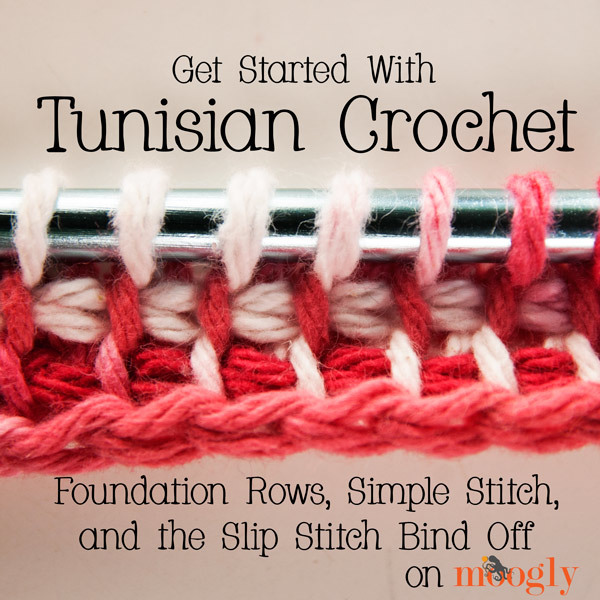
Tunisian hooks need extra length to hold the active stitches on the shaft. Standard crochet hooks are too short and will force you to drop stitches off the end.
For advanced patterns like mosaic or Tunisian knitted stitches, use a Tunisian hook with a clear stopper or a cable. The cable lets you slide stitches up the shaft, giving you room to manage complex stitch counts without crowding your hands. Avoid hooks with deep, rounded throats; they can snag yarn during the forward pass.
Choose the right yarn
Advanced Tunisian patterns often feature intricate textures. Smooth, worsted-weight wool or cotton blends work best. These fibers hold definition well and allow you to see each stitch clearly.
Avoid fuzzy mohair or highly textured novelty yarns. They hide stitch definition and make it difficult to count rows accurately. If you are learning a new chart, stick to a solid color. High-contrast colorwork can be introduced once you are comfortable reading the pattern structure.
Work the stitches in order
Mastering advanced Tunisian crochet requires a clear sequence: define the constraint, compare the realistic options, test the tradeoff, and choose the path with the fewest hidden costs. That order keeps the advice usable instead of decorative.
After each step, pause long enough to check whether the recommendation still fits the reader's actual situation. If it depends on perfect timing, unusual access, or a best-case budget, include a simpler fallback.
Mistakes that warp the shape
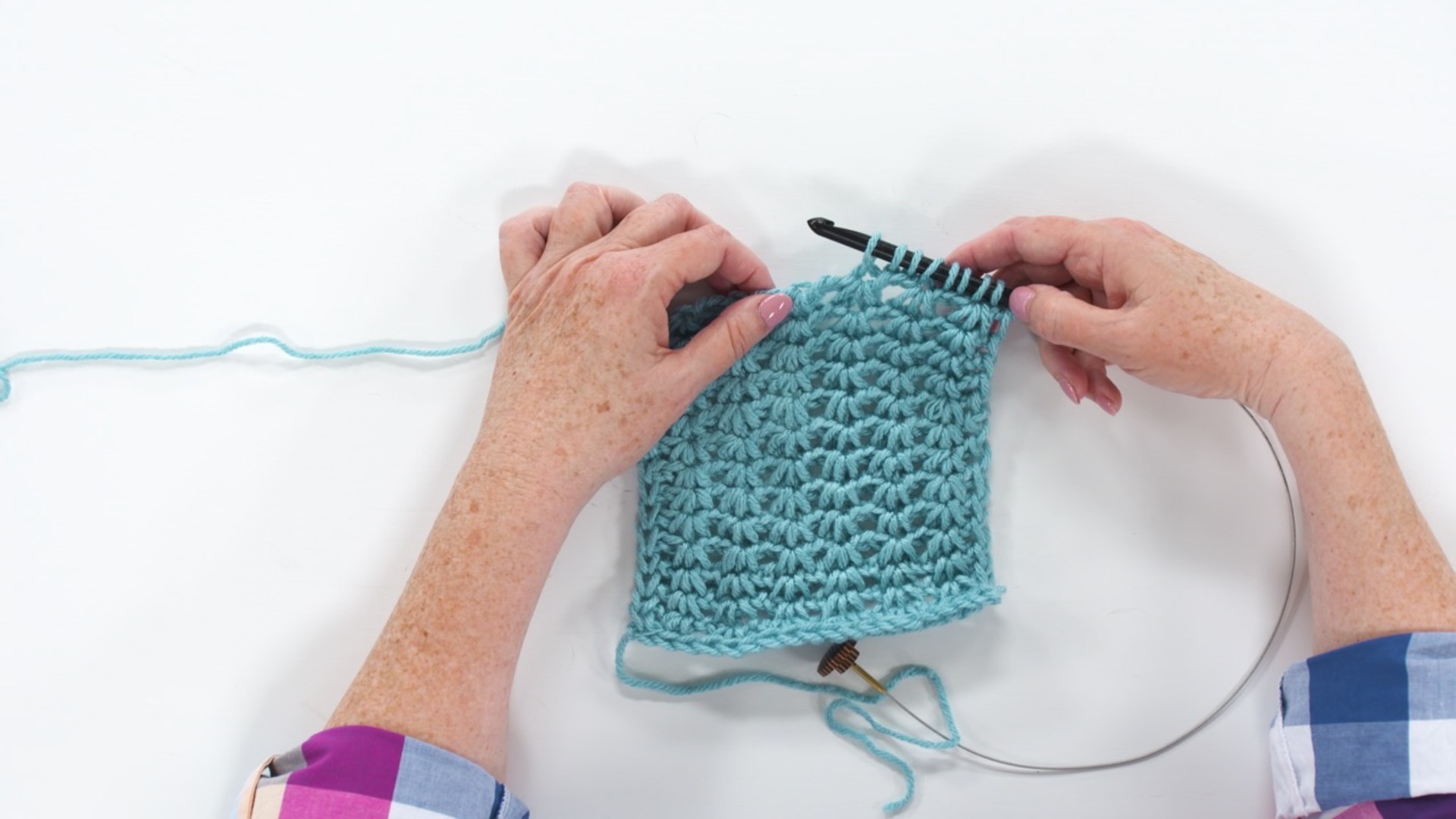
Tunisian crochet relies on a rigid, rectangular fabric. When your blanket starts curling or twisting, the issue usually lies in how you manage the hook and tension during the forward pass. Unlike standard crochet, you hold all the loops on the shaft simultaneously. This creates a different kind of tension that requires a specific approach to stay flat.
Skipping the foundation chain count
The most common error is miscounting the initial chain. Tunisian Simple Stitch (TSS) requires an odd number of stitches for the standard back loop only (BLO) technique. If you start with an even number, your edges will curl inward, making it impossible to work the return pass correctly.
Check your chain count before you pick up the hook. If you are working in the round, the math is different, but for flat blankets, an odd number is non-negotiable. A quick recount saves hours of unraveling later.
Pulling too tight on the forward pass
Holding all those loops on the hook can feel unstable, tempting you to pull each stitch tight to secure it. This is a trap. Tunisian fabric should drape with weight. If you pull too tight, the fabric becomes stiff and the edges will roll up like a rug.
Keep your tension loose and even. The loops should slide up the hook easily. If you have to tug hard to complete the pass, you are restricting the fabric's natural movement. Aim for a relaxed grip that allows the yarn to flow smoothly.
Inconsistent edge stitches
Your edges define the blanket’s shape. Many crocheters rush the first and last stitches of each row, varying the tension or skipping the proper insertion point. This creates a jagged, uneven border that distorts the entire piece.
Work the edge stitches deliberately. Insert the hook under both loops of the foundation chain for the first stitch to create a clean vertical edge. Count your stitches at the end of every row. If you are off by one, fix it immediately rather than carrying the error forward.
Advanced tunisian crochet: what to check next
Tunisian crochet has a reputation for being tricky, but the difficulty is mostly about managing weight on the hook rather than complex hand movements. Below are answers to the most common questions from crocheters ready to tackle advanced techniques.
No comments yet. Be the first to share your thoughts!